
GERMANY’S PFALZ WINE REGION
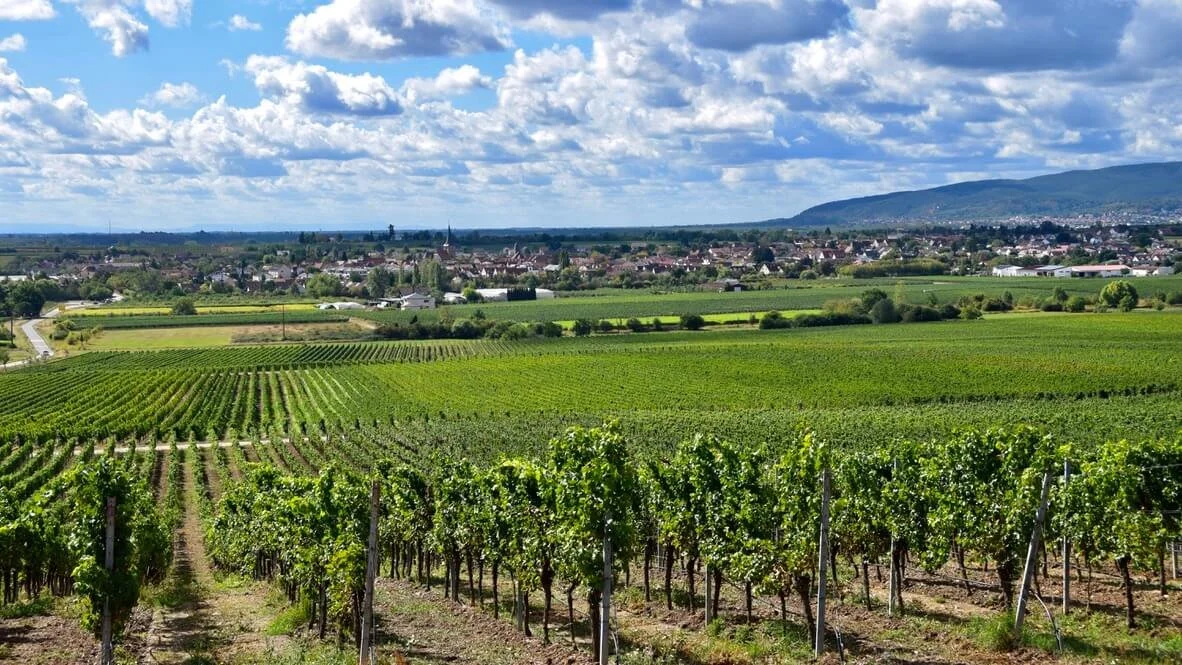
The Pfalz wine region
Source: Winekeller
Winekeller wine travel and wine tour experiences in the Pfalz wine region:
An introduction to the Pfalz wine region
Where is the Pfalz wine region?
The Pfalz (or Palatinate) wine region is Germany’s second largest wine region, a long stretch of vineyards spanning some 23,000 hectares in the south west of the country, in the southern part of the state of Rhineland-Palatinate, bordered by the Rheinhessen wine region in the north and the France’s Alsace region in the south. The Haardt mountain range lies to the west and the River Rhine to the east.
What does ‘Pfalz’ mean in German?
‘Pfalz’ derives from the Latin word ‘palatium’, meaning palace or castle and the region is often also referred to as the ‘Palatinate’ region.
The broader Rhineland-Palatinate region has a lot to offer the visitor, with its breathtaking natural and cultural landscapes and the rural, unspoiled Pfalz region is the perfect destination to enjoy a truly authentic wine tourism experience. A key attraction is the ‘Deutsche Weinstrasse’, perhaps the most famous and best German wine route, which runs right through the heart of the Pfalz wine region, winding its way through vineyards and a series of lovely, traditional chocolate-box villages, providing an ideal route map for your Pfalz wine tour!
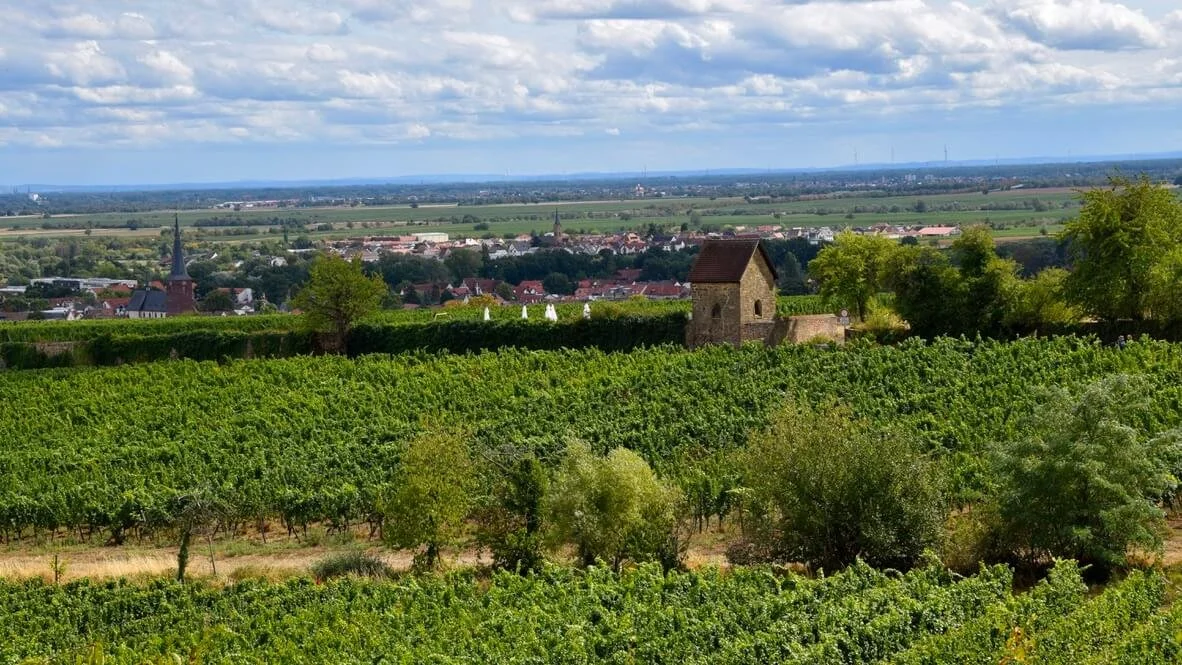
The Grand Cru Pfalz vineyards - Forst
Source: Winekeller
Pfalz vineyards
Germany’s Pfalz wine region is home to some of the world’s top vineyards. In former years it was mainly known for unremarkable, inexpensive wines made by a handful of cooperatives, but today it is a hot bed of innovative, exciting, highly successful winemaking.
Today the region is made up of three core areas:
Mittelhaardt:
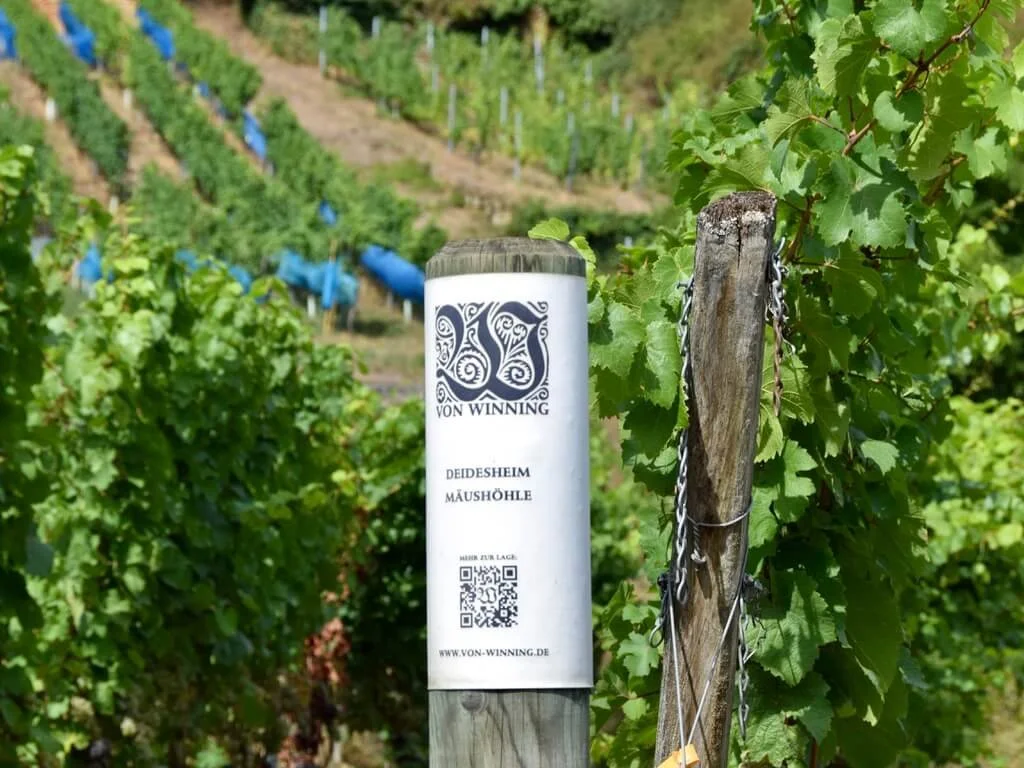
Mittelhaardt is the traditional heartland of the Pfalz wine region and home to some truly great vineyards and top wine producers. Riesling is King here and the top vineyards are located between the villages of Deidesheim and Wachenheim. In fact most of the vineyards around Deidesheim are classified by the top German wine estates organisation VDP as ‘Grosse Lagen’ - similar to the ‘Grand Cru’ classification. Top, historic producers include Bürklin-Wolf in Wachenheim and von Bassermann-Jordan, von Bühl and von Winning in Deidesheim. Bad Dürkheim, in the north of Mittelhaardt, is the largest wine commune in Germany.
Northern Mittelhaardt:
The northern section of the Mittelhaardt region starts north of Bad Dürkheim and has a reputation for exciting and innovative wines. The area started to develop in the late 1970s and increasingly so in the early 1990s, when some innovative producers started producing excellent dry Riesling wines and barrique-aged Pinot Noir wines in and around the villages of Laumersheim, Grosskarlbach, Dirmstein, Freinsheim and Kallstadt.
Southern Pfalz:
This southern part of Germany's Pfalz wine region, just north of the French border and Alsace, is also known for its progressive winemaking. Although Riesling is widely grown here, it is the Pinot grape family that shines most brightly, including some excellent Weissburgunder (Pinot Blanc), Grauburgunder (Pinot Gris) and Spätburgunder (Pinot Noir) wines, as well as Chardonnay.
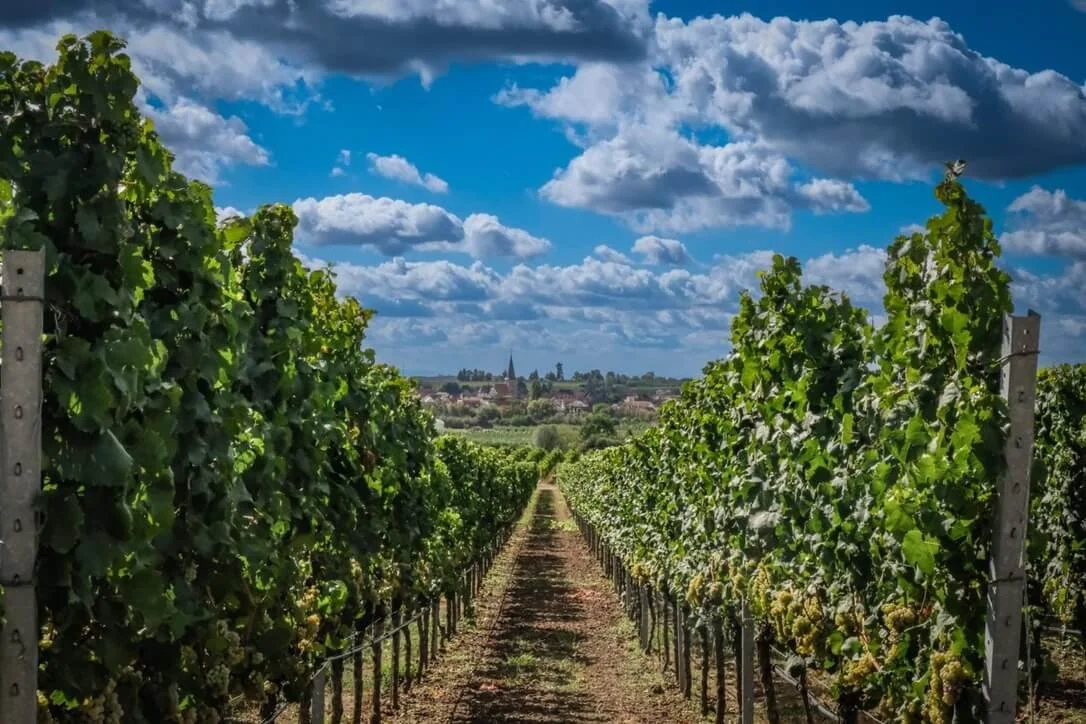
Pfalz Wines
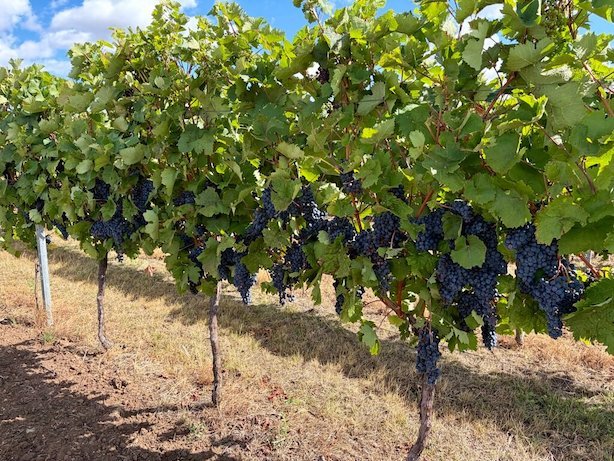
The Pfalz wine region is one of Germany’s warmest and driest wine regions, with an almost Mediterranean climate and provides an ideal terroir for many different grape varieties, with approximately 60% of vines producing white wines and 40% red wines.
The Pfalz however is mostly known for the Riesling grape variety. Pfalz Riesling wines tend to have less acidity than Mosel Rieslings with aromas of peach and apricot rather than green fruit. Other white wine grape varieties include Müller-Thurgau, Grauburgunder (Pinot Grigio), Weissburgunder (Pinot Blanc) and Scheurebe.
The Pfalz wine region also stands for excellent quality red wines and is Germany’s largest red-wine producing region.
Pfalz red wines include smooth, fruity wines made from the Portugieser grape, deep-coloured and complex wines from Dornfelder grapes and in particular in the south of the region, superb Pfalz Pinot Noir (Spätburgunder) wines.
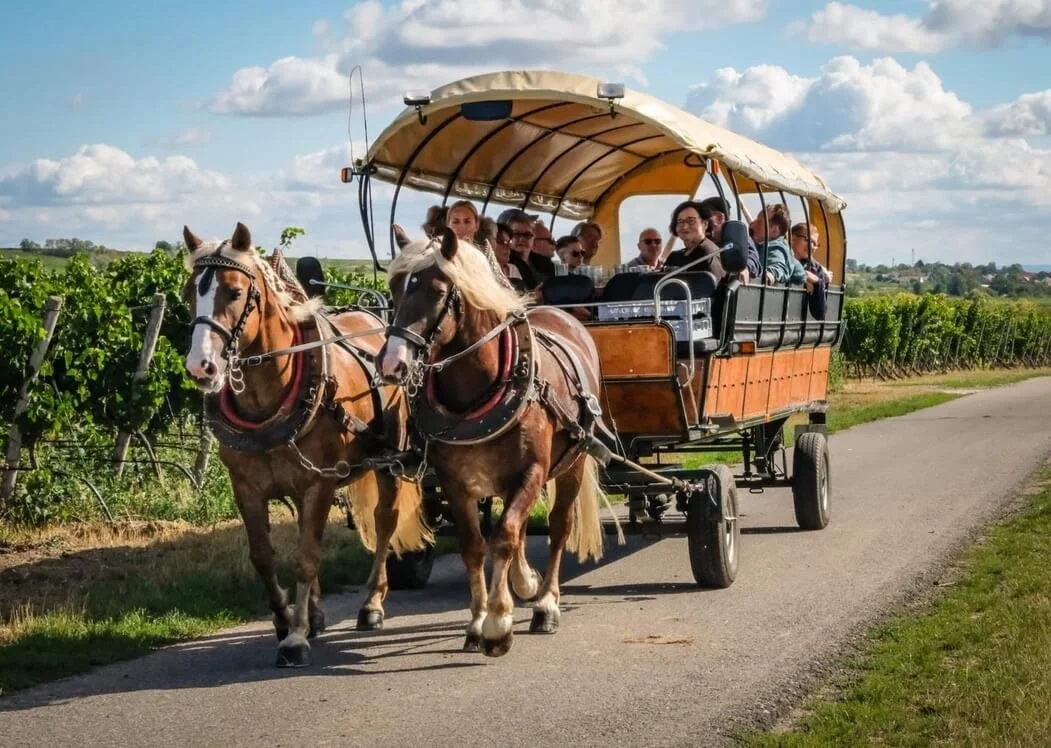
Pfalz wine tourism
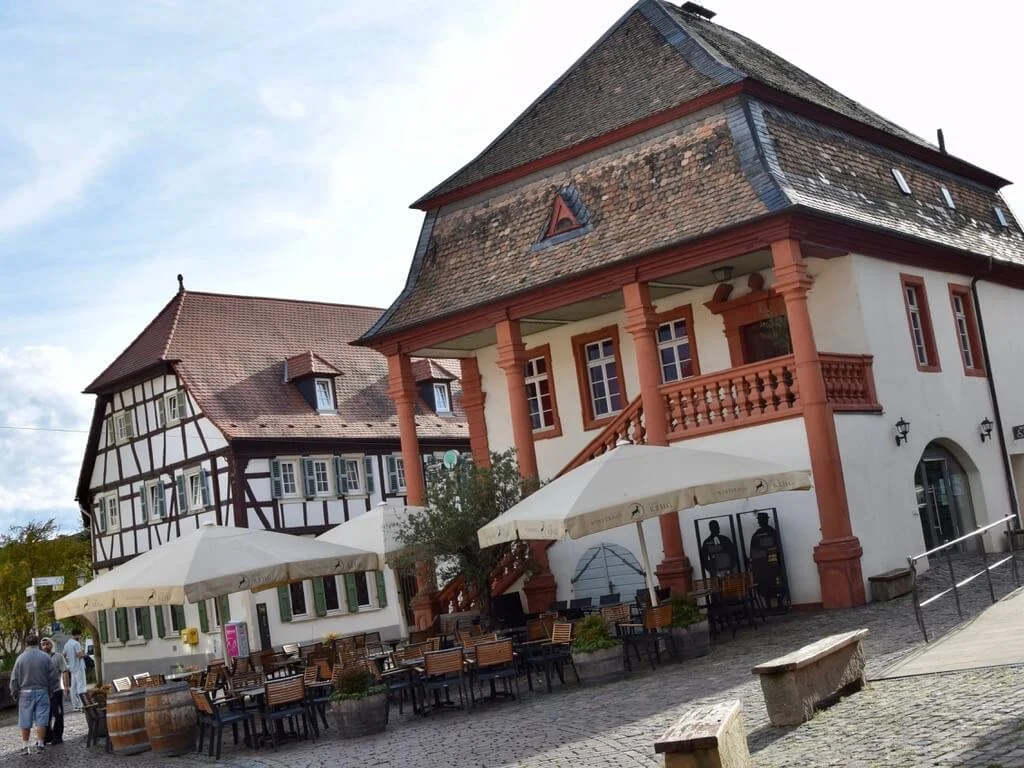
Visit the villages of the Pfalz
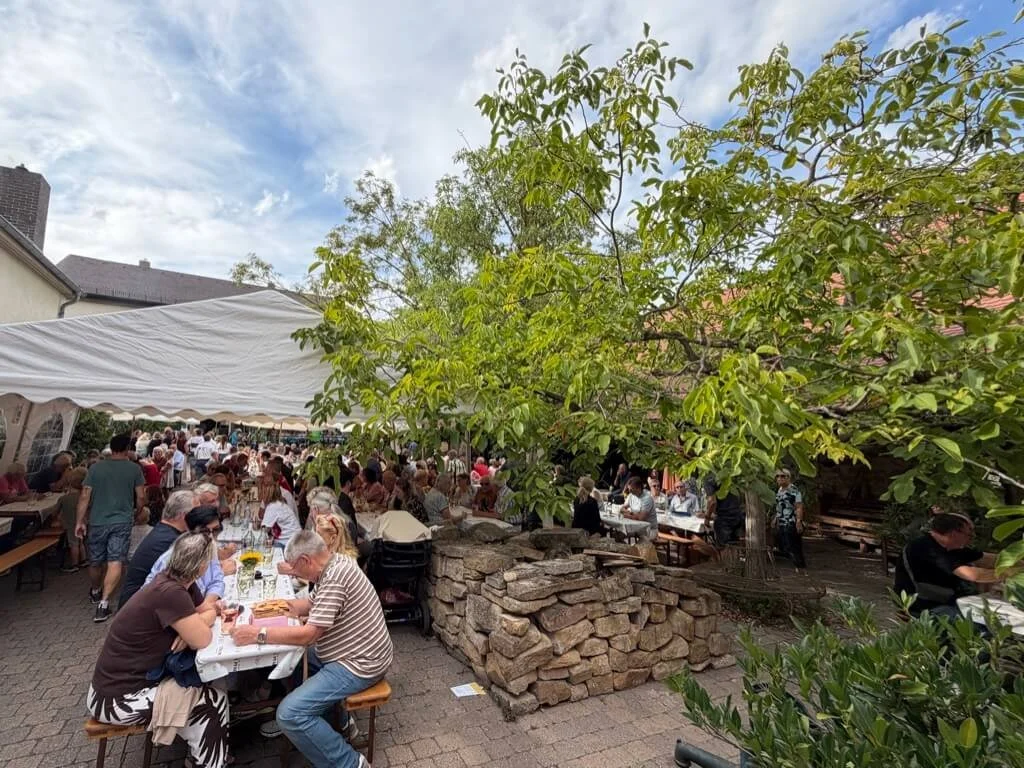
Enjoy a Pfalz wine festival
Visiting Pfalz - Palatinate Germany
The mild climate, breathtaking scenery and wine culture of this part of rural southwestern Germany make the Pfalz - or Palatinate - wine region a very attractive holiday and wine tourism destination. With its charming villages, vineyards, forests, castle ruins and the great Rhine plain, all conveniently laid out around the ‘German wine route’ there is much to discover and enjoy here!
For those who enjoy discovering rural landscapes and nature, the Pfalz has much to offer, with plenty of hiking and cycling trails to choose from. The Palatinate Wine Trail is for serious walkers who enjoy more of a challenge, at 170 km long.
What is the German Wine Route and where does it begin and end?
There is no better way to discover the Pfalz wine region, than to follow the German Wine Route or the Deutsche Weinstrasse, which stretches for 85 km, connecting some 130 wine villages from Bockenheim in the north to Schweigen in the south, close to the border with Alsace.
The German Wine Route is divided into two regions: the German Wine Route/Mittelhaardt in the north and the Southern Wine Route .
Following the German Wine Route takes you through rolling hills covered with vineyards and fruit orchards and delightful, historic wine villages, where you can enjoy the regional hospitality and of course sample the local wines. Try out a local wine festival - with over 200 to choose from, wine festivals are an integral part of Palatinate wine culture and a great way to experience the wonderful Pfalz wine region.
In the north of Germany’s Pfalz wine region lies a cluster of villages known for their exciting and innovative Pfalz wines. Central to this area’s wine story are two Pfalz wineries, Weingut Knipser and Weingut Phillip Kuhn, both located in the lovely Pfalz village, Laumersheim…