Explore the magical Setúbal Peninsula and Setúbal wine
If you’re looking for a piece of paradise within easy reach of Portugal’s capital, Lisbon, then head south to the beautiful Setúbal Peninsula
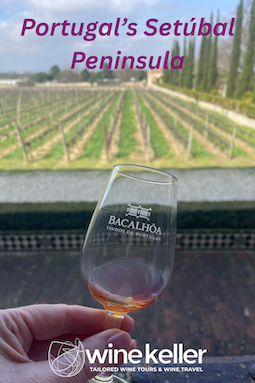
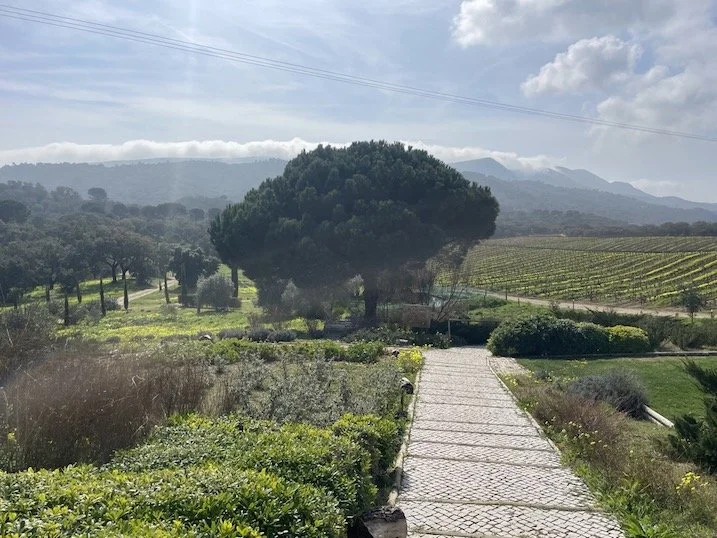
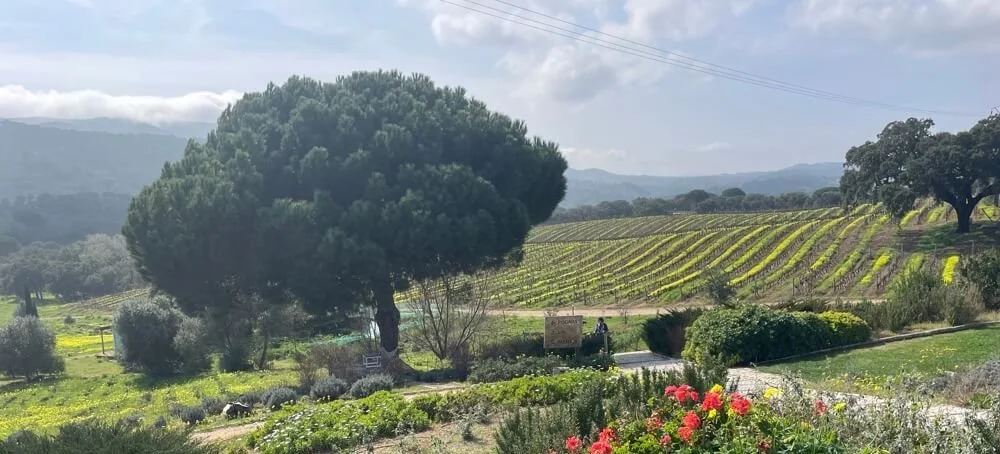
Vineyards in the beautiful Setúbal Peninsula, south of Lisbon - Source: Winekeller
Less than an hour south of Lisbon lies the beautiful, secluded paradise of the Setúbal Peninsula - a wonderful holiday or wine tour destination, with incredible gastronomy and beautiful national parks along the Portuguese Atlantic coastline and majestic mountain ranges.
Here we outline for you the main things to do in Setúbal, with suggestions for discovering the fantastic Setúbal Peninsula wine of course!
See here for information about visiting capital city, Lisbon
Getting to Setúbal
If you’re visiting Lisbon and fancy getting out of the city, maybe to experience a Lisbon wine tour, or if you want to combine the perfect beach holiday destination with great food and wine, then look no further than heading south into the Portuguese wine region of the Península de Setúbal - one of Europe’s best kept secrets!
The town of Setúbal is just a 40 minutes drive from Lisbon or a 55-minute train ride and provides a great starting point or base for a tour of the wider Setúbal Peninsula.
Crossing over the River Tejo - or Tagus
We can recommend driving over the beautiful 25 April Bridge which spans the River Tejo and provides the fastest connection to the beaches around Lisbon. It was built in 1966 and was a significant project for developing the infrastructure south of Lisbon city. It was built by the same construction company as the Golden Gate Bridge.
The 25 April Bridge over Lisbon’s River Tejo (Cristo Rei statue marked) - Source: Winekeller
A distinctive reddish colour, the bridge is 3km long and cars travel on the upper level and trains on the lower level.
A second bridge was built in 1998 - the spectacular Vasco de Gama Bridge, the longest bridge in Europe at 17 kms.
As you drive over the 25 April Bridge you can’t miss the Cristo Rei statue, standing at 73 metres high, modelled after the famous statue in Rio de Janeiro.
Discovering Setúbal
The Setúbal Peninsula wine region lies between the Tagus (Tejo) and Sado estuaries, southeast of Lisbon and at its heart is the city of Setúbal, the capital of the Setúbal District.
What is Setúbal in Portugal known for?
Setúbal was inhabited in ancient times by the Phoenicians and then by the Romans, who settled on what is now called the Troia Peninsula. Its geographical location at the mouth of the Sado Estuary on the Atlantic Ocean coast, has meant that Setúbal has always been linked to seafaring activities. In fact it was already one of the country's main ports in the 14th century and the city’s main industry has always been fish preservation and canning, an activity introduced by the Romans.
Today, tourism is a major industry, based on the beautiful natural environment and the interconnection with the Sado River on one side and the Atlantic Ocean on the other, with a coastline on both.
The Setubal Peninsula wine region - Source: Wines of Portugal
Setúbal is also known for its wines of course - especially Moscatel de Setúbal, one of Portugal's most renowned wines. It was the toast of the Royal courts from the 14th century and is still regarded as a premium sweet wine today. The Moscatel de Setúbal region is the second oldest demarcated wine region in Portugal (see later).
Things to do in Setúbal
Discover Setúbal and its famous fish market
We suggest you head straight for the city of Setúbal first.
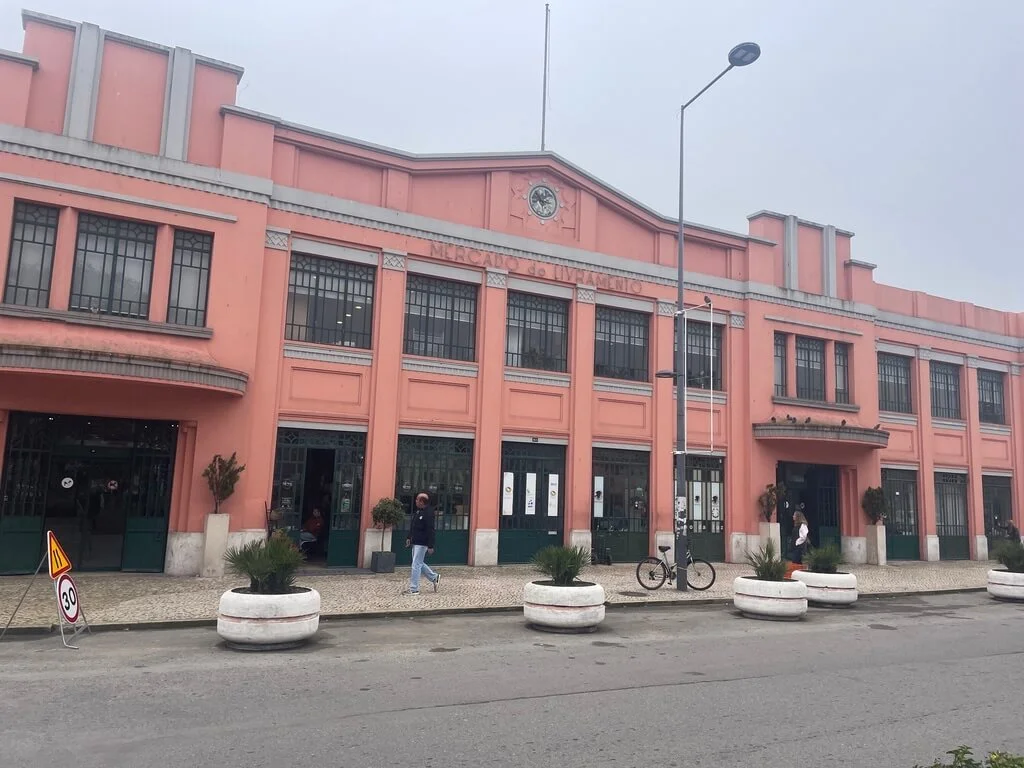
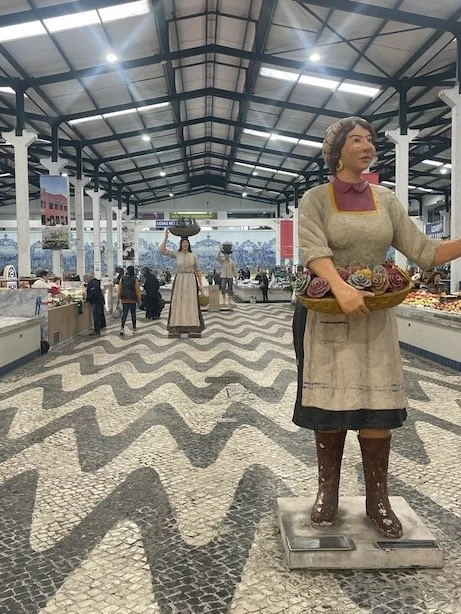
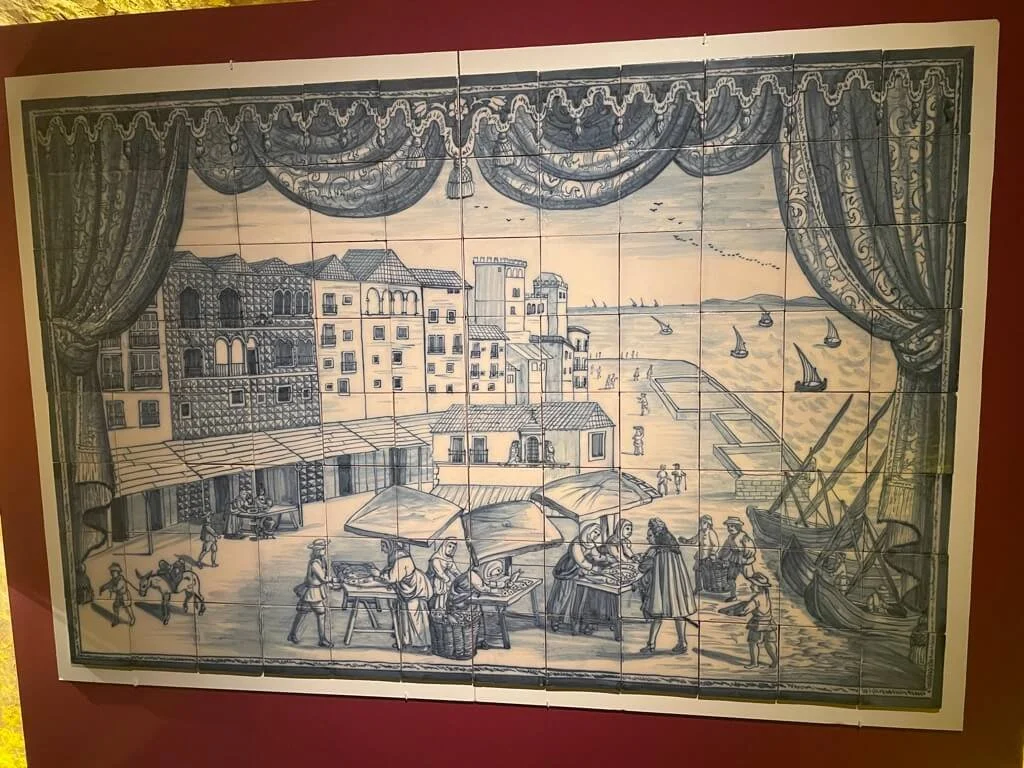
The downtown area was subject to a major renovation project in recent years and a key highlight, especially if you enjoy fresh fish, is the Mercado do Livramento. Located in a huge market hall, between the harbour and the old town, this impressive fish market is full of stalls selling every type of fresh fish imaginable, all caught in the Setúbal Bay. You can also buy meat, fruit and vegetables and it is cited to be one of the best markets in the world. The walls of the market hall are beautifully decorated with stunning Portuguese tiles.

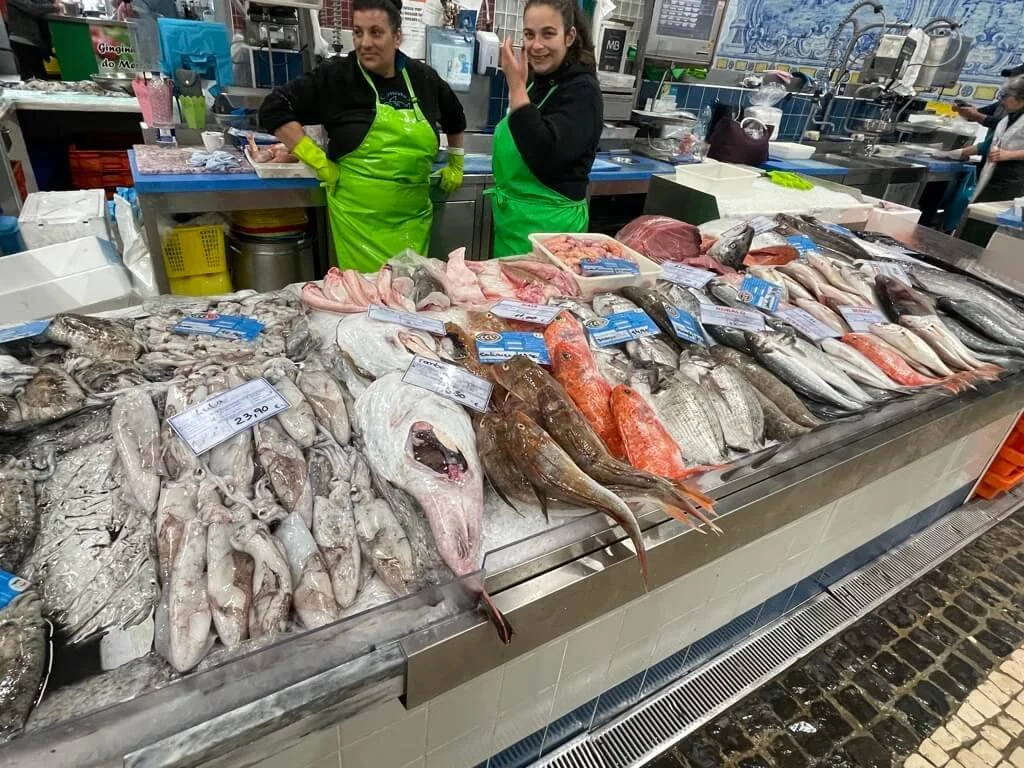
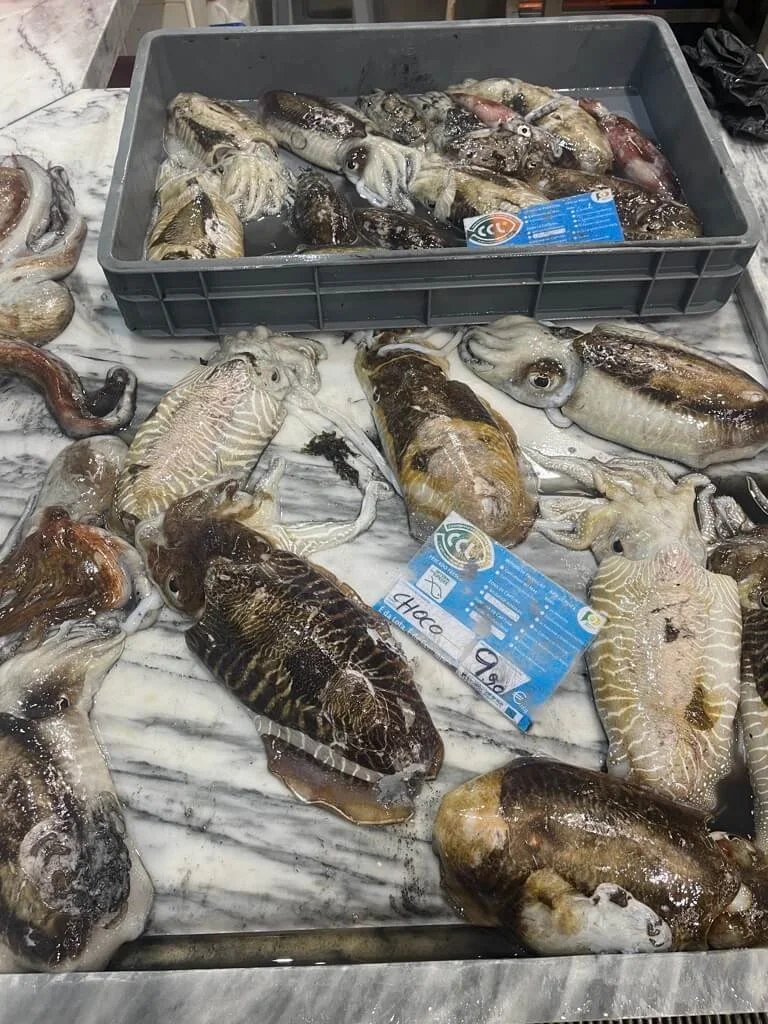
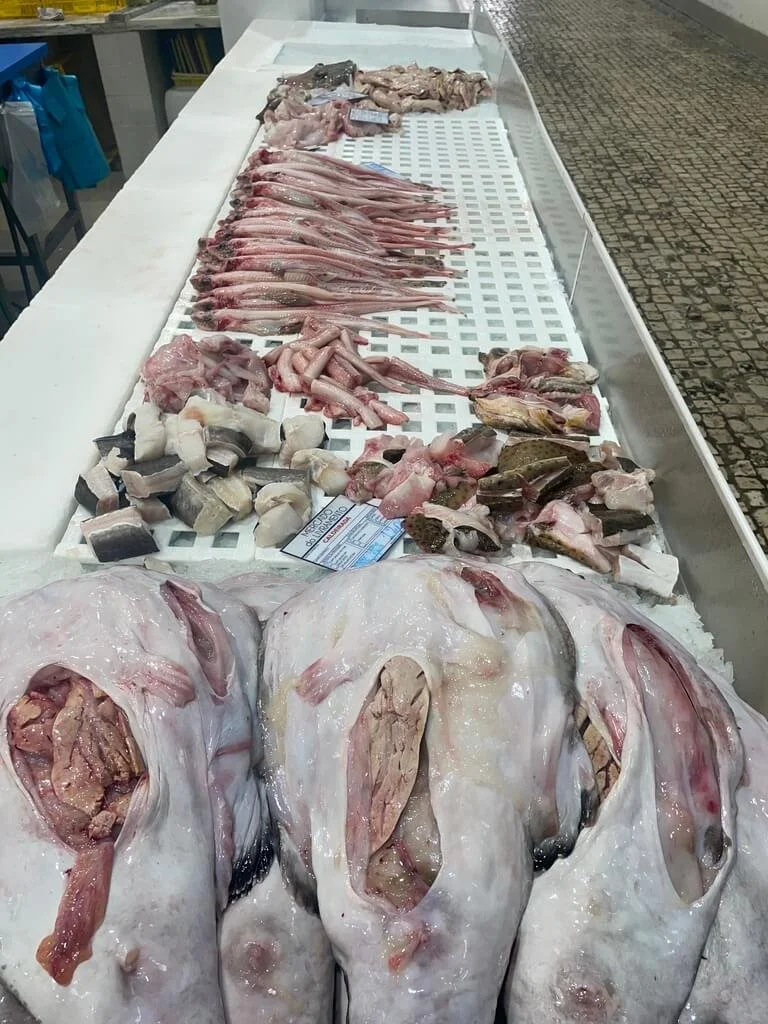
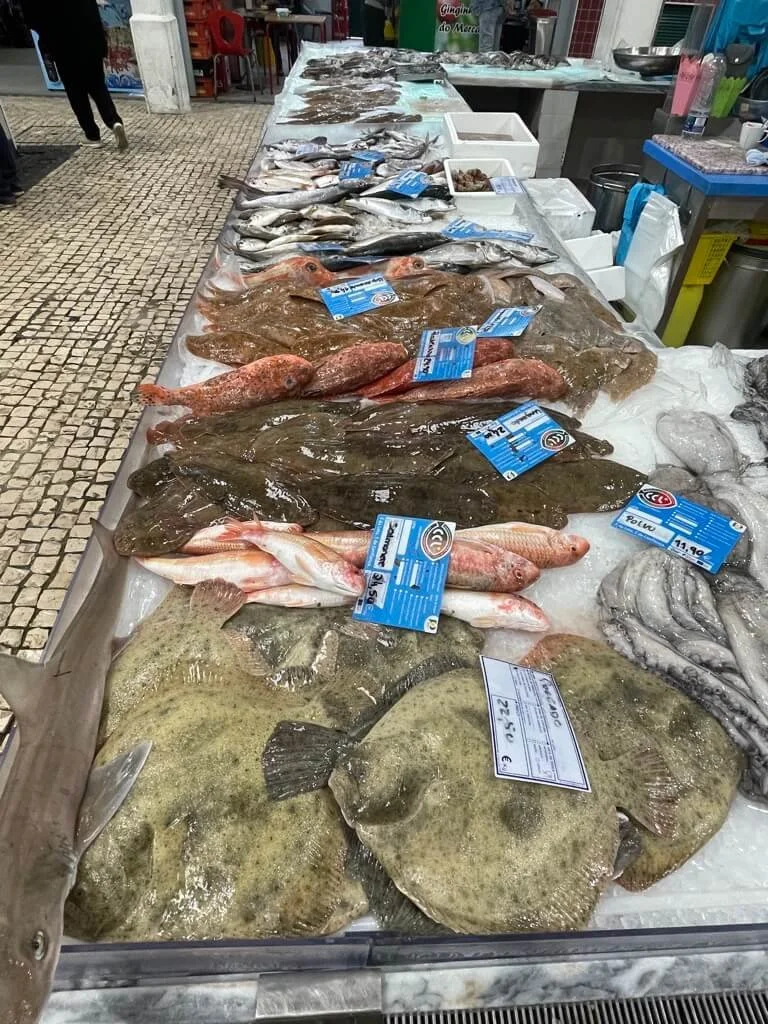
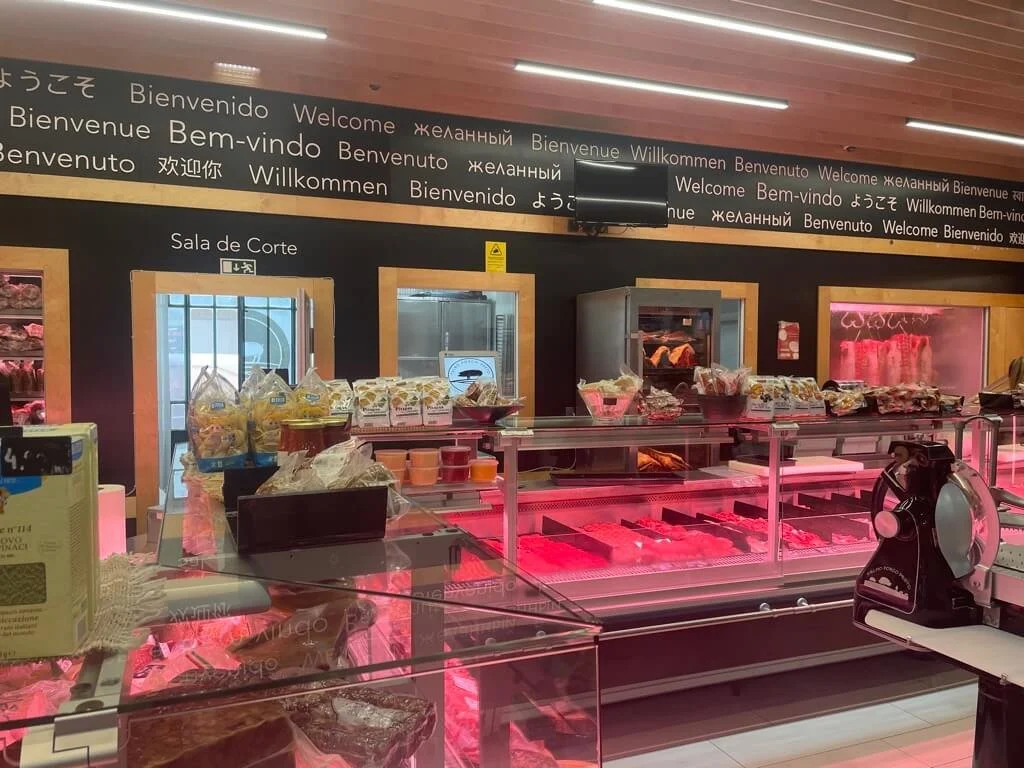
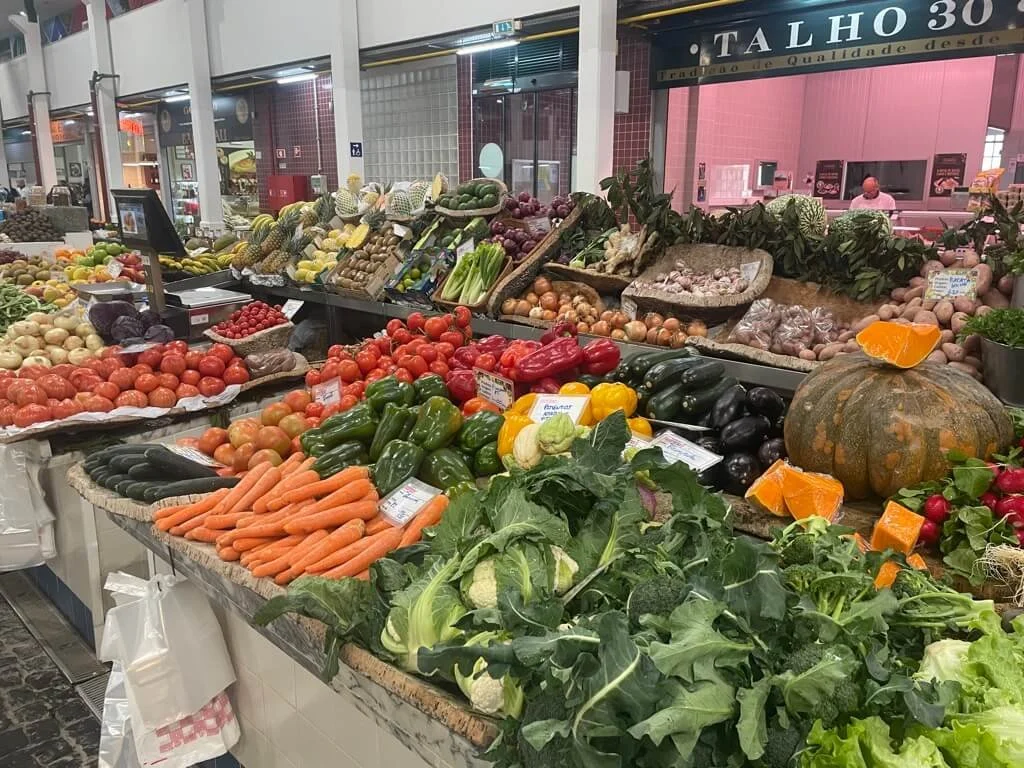
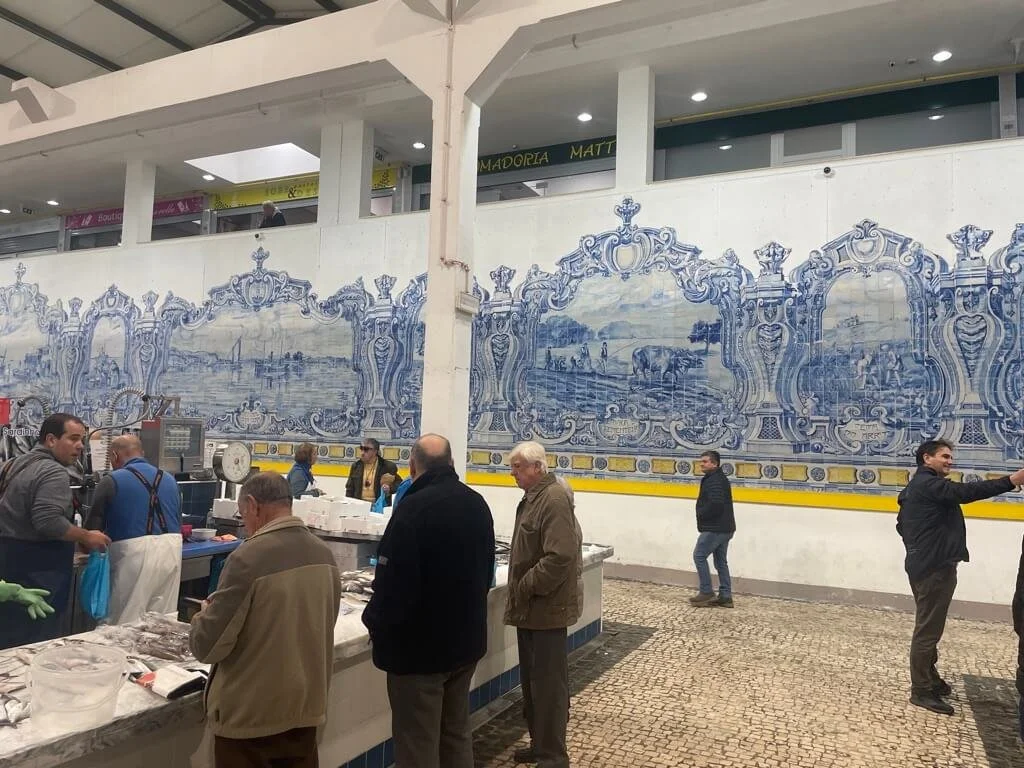
Other notable sights in the city of Setúbal include the Franciscan Convento de Jesus, which was built in 1492 and now houses the Municipal Museum and the Fort of São Filipe, a mighty 16th-century fortress which towers high above the city and from where you can enjoy fabulous views over the city and the whole region.
Discover the amazing nature reserves
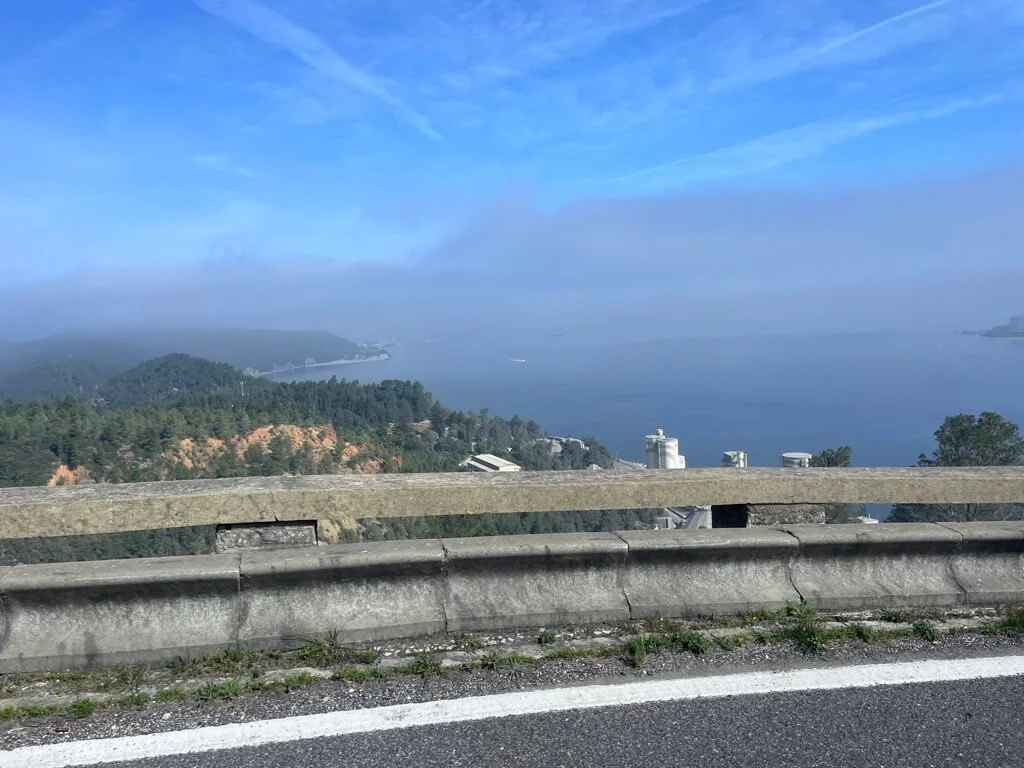
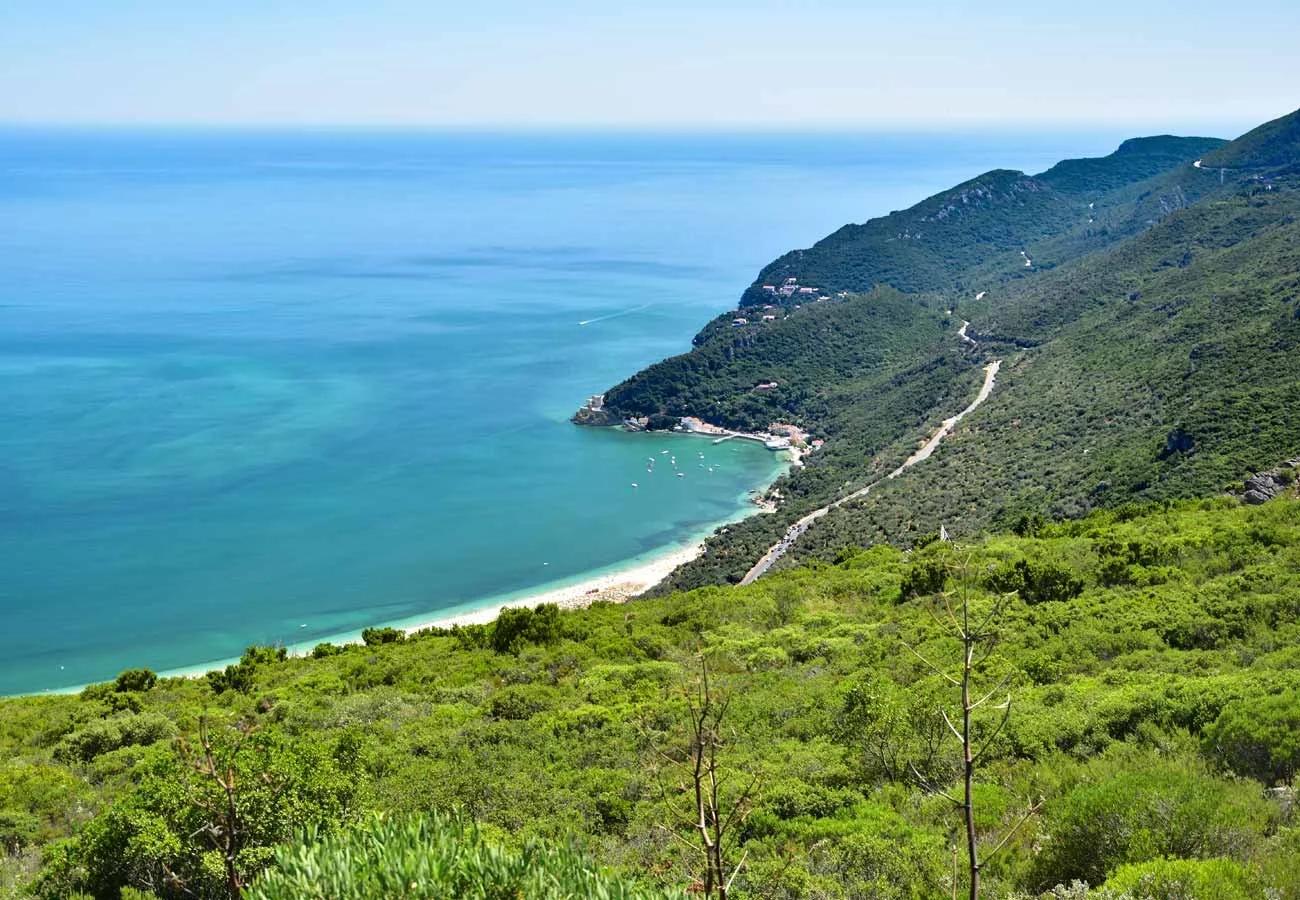
Within easy reach of the city of Setúbal are wonderful nature conservation areas, in particular the Sado Estuary Nature Reserve, where it is still possible to watch dolphins in the wild, and the Arrábida Natural Park, which offers an unspoiled nature and beautiful beaches to the Atlantic Ocean. Here you can also visit the beautiful Convento de Nossa Senhora da Arrábida, founded by Franciscan friars in 1542 (booking required to visit).
The Arrábida Natural Park has a wide natural diversity of landscapes and environments and is known to be be one of the most beautiful Portuguese landscapes.
Explore the Setúbal Peninsula beaches
Many visitors are attracted to Setúbal for its beautiful Atlantic beaches, notably the Arrábida beaches in the nature park, especially Praia de Galapinhos and Portinho da Arrábida (a magnificent sheltered bay) and the beautiful beaches on the Troia Peninsula.
Visit the Troia resort
Across the river from the city of Setúbal, on the south bank lies the Tróia Peninsula , within easy reach by ferry, with about 18kms of beautiful sand beaches, a golf course and luxury hotels and resorts. This has become a very popular holiday destination as well as retirement and second home destination in recent years. Particularly popular is the trendy resort of Comporta, located at the base of the Tróia Peninsula, along the Sado estuary.
Visit the historic towns of Setúbal
Visit the picturesque fishing town of Sesimbra, which dates back to the 15th and 16th centuries and Palmela in the foothills of the Arrábida mountains and at the heart of the wine region, with its historic castle.
Taste the wines and cheeses of Azeitão
In the Nature Reserve of the Serra da Arrábida at the heart of the Setúbal wine region is the Azeitão area which features several small villages, in particular Vila Fresca and Vila Nogueira, named after the quintas/wine estates around which they developed. Here you can taste their famous wines and also wonderful cheeses.
Setúbal wines
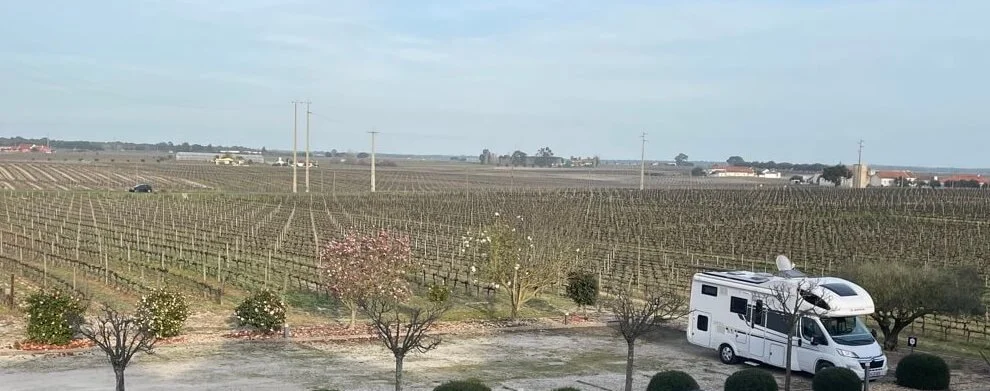
The Setúbal Peninsula comprises an area under vine of some 9500 hectares with two distinct wine growing areas: in the east in the Arrábida hills around Azeitão, where the clay/limestone slopes are cooled by the Atlantic and the warmer, fertile, sandy plains east of Palmela.
The region has two distinct DOCs and a regional wine
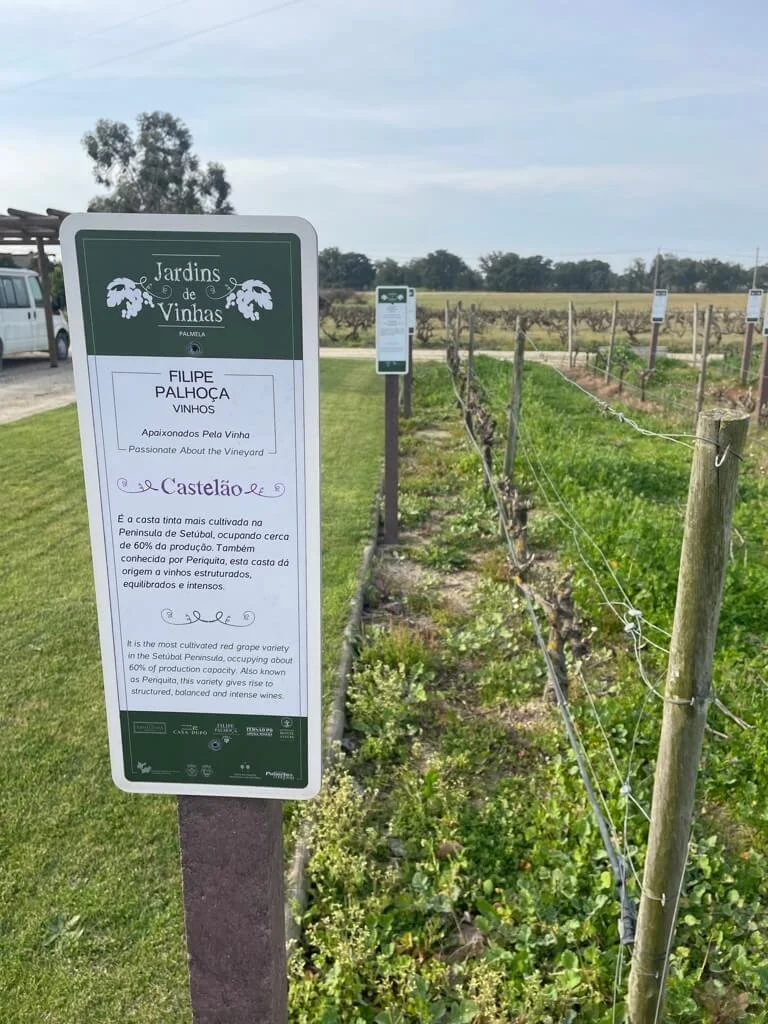
D.O. Palmela, which produces red wines based primarily on the Castelão grape and white wines made from Arinto and Fernão Pires grape varieties;
D.O. Setúbal, which is reserved for Portugal’s famous sweet, fortified wine, Moscatel de Setúbal (importantly, D.O. Palmela covers the same area as D.O. Setúbal but excludes the production of Moscatel de Setúbal);
IG Península de Setúbal, the ‘Regional Wine’, covering the entire Setúbal Peninsula region.
Moscatel de Setúbal
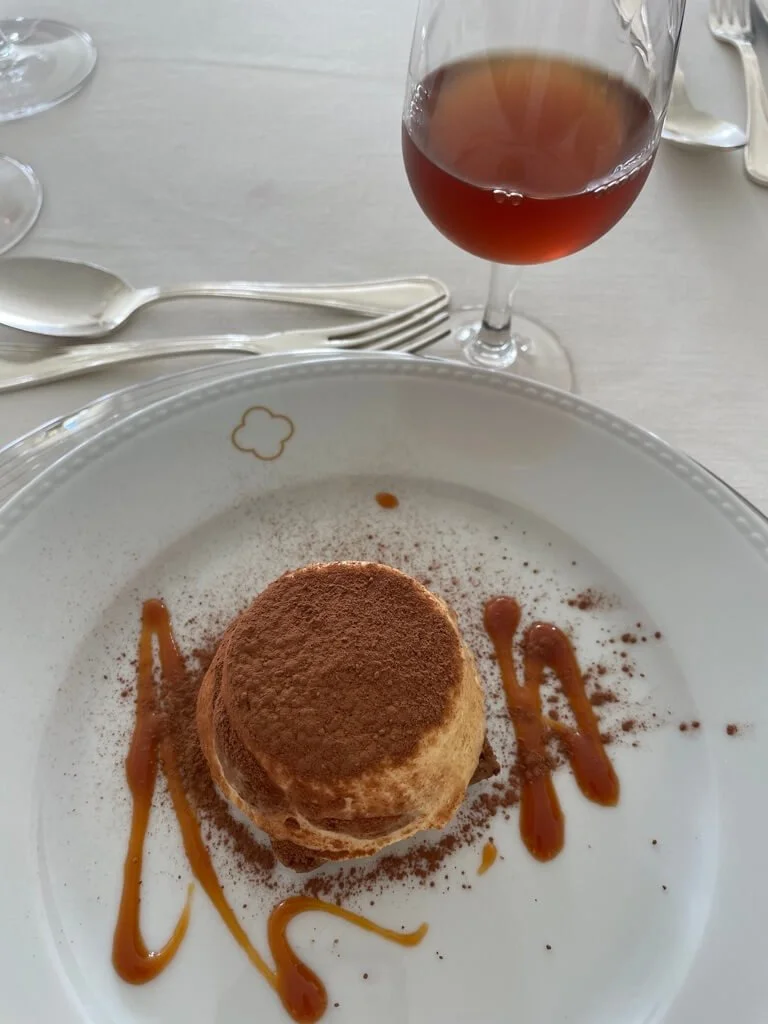
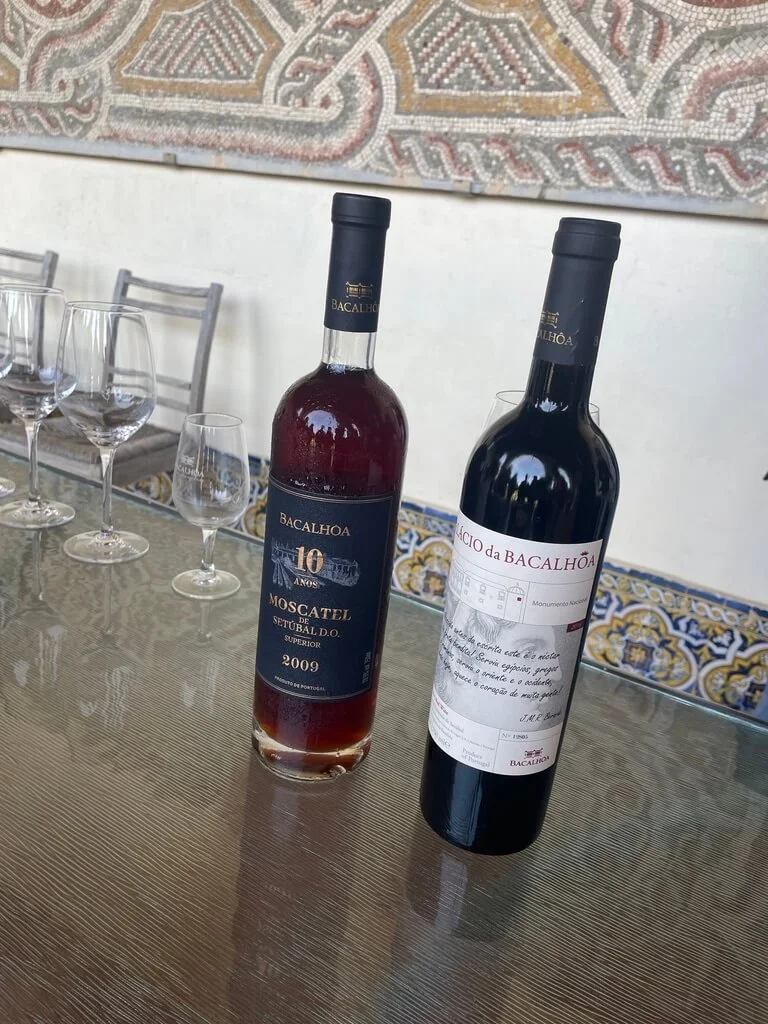
Moscatel de Setúbal is one of Portugal's most renowned wines - a rich, pale-orange Muscat wine, lightly fortified and highly perfumed. It is made from two different grape varieties: the white Moscatel de Setúbal, the dominant variety, featuring aromas and flavours of citrus, orange blossom and with age, marmalade and Moscatel Roxo de Setúbal, an earlier ripening variety with small pink-purple berries and aromas of dried roses with a fresher acidity.
The Setúbal Peninsula is the home and birthplace of Moscatel de Setúbal, with the humid Mediterranean climate here providing the ideal conditions for the intensely aromatic Moscatel grape.
D.O. Setúbal wines typically spend 3-6 months resting on the grape skins after fermentation, in order to extract the maximum aromas, flavour and structure and must age for at least 18 months (for the white variety) and 36 months for the Roxo variety. Producers innovate with different vintage blends, different fortifying spirits and ageing techniques.
Learn more about Moscatel de Setúbal here.
Setúbal wine producers
Setúbal’s wine producers are spread across the two main wine growing regions, around Azeitão and Palmela.
Perhaps the most well-known Setúbal wine producer is José Maria da Fonseca, a wine estate which dates back some six generations, to 1834 and which is known for the phenomenal ageability of its wines and its exceptionally smooth, complex centenarian single-vintage wines.
Another important Setúbal producer, which along with José Maria da Fonseca is considered a pioneer of Portugal' s varietal wines, is Bacalhôa Vinhos (see below).
Read on to learn about our visits to Bacalhôa Vinhos and Filipe Palhoça…
Visit to Bacalhôa Vinhos
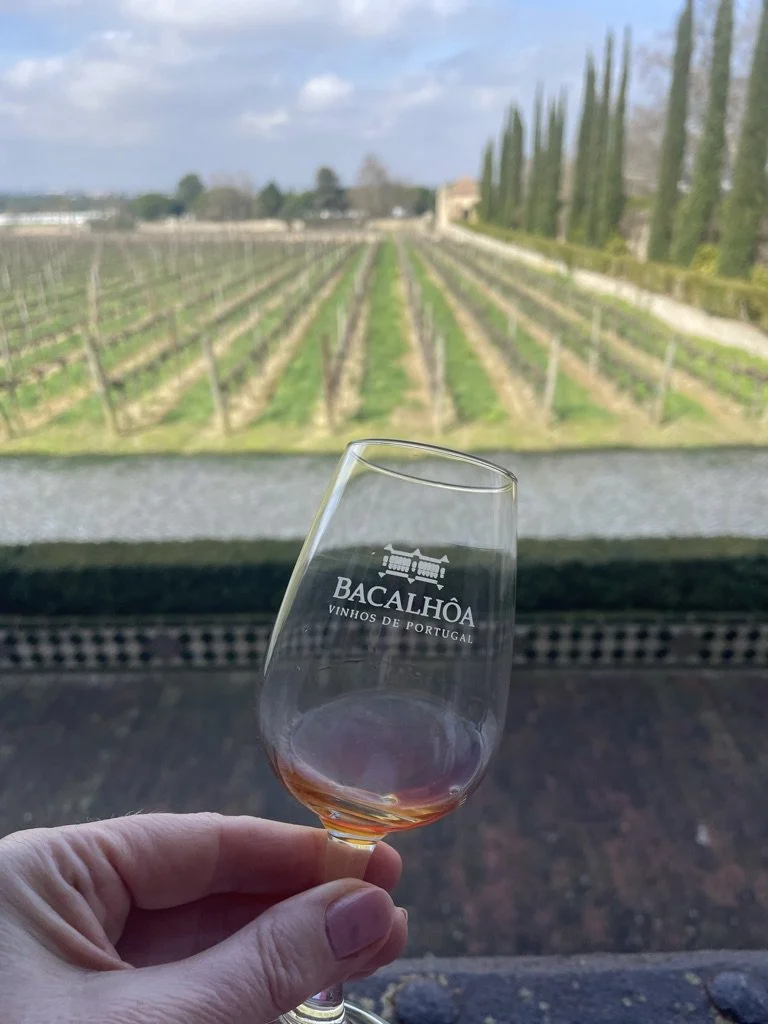
Bacalhôa Vinhos Setúbal - Source: Winekeller
Bacalhôa is one of the largest and most innovative Portuguese wineries, with a total of 1200 hectares of vineyards across multiple wine regions in Portugal, 40 different grape varieties and 4 individual wine cellars. The Bacalhôa Group is made up of Bacalhôa Vinhos de Portugal, S.A, Aliança Vinhos de Portugal and Quinta do Carmo.
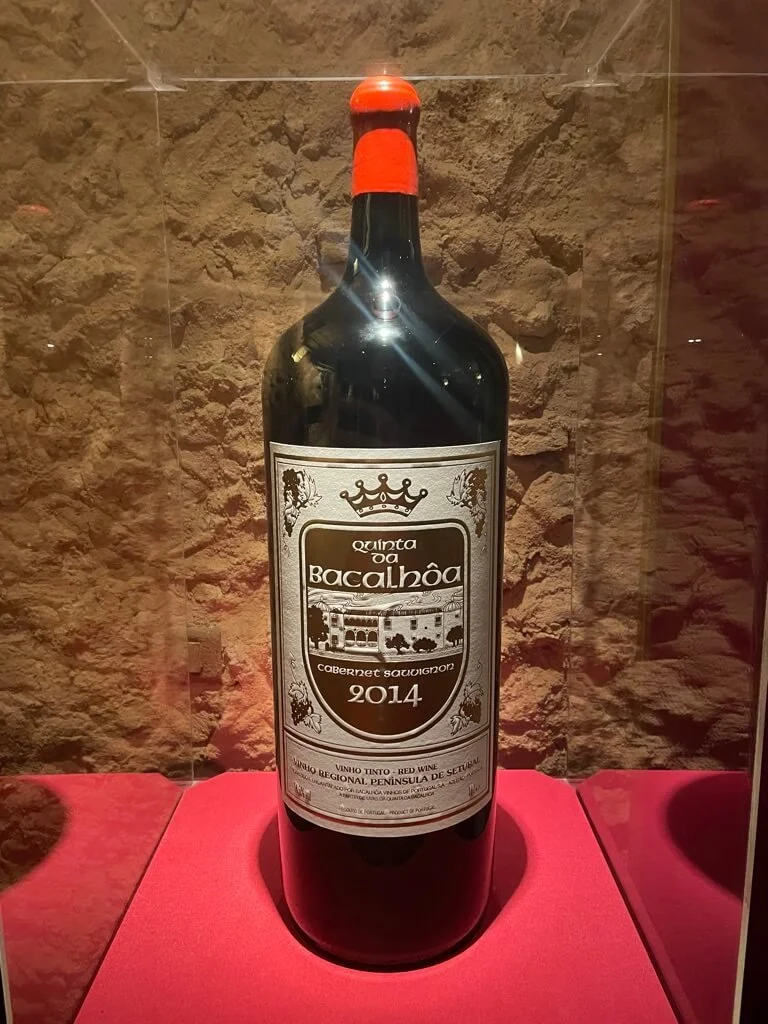
Bacalhôa has a long history, celebrating its centenary year in 2022 and is proud of its important milestones, for example being the first wine estate to plant and bottle Cabernet Sauvignon wines in Portugal in 1974.
Today the Bacalhôa group offers a large range of both wines and wine tourism experiences, all under the theme of ‘Art, Wine & Passion’.
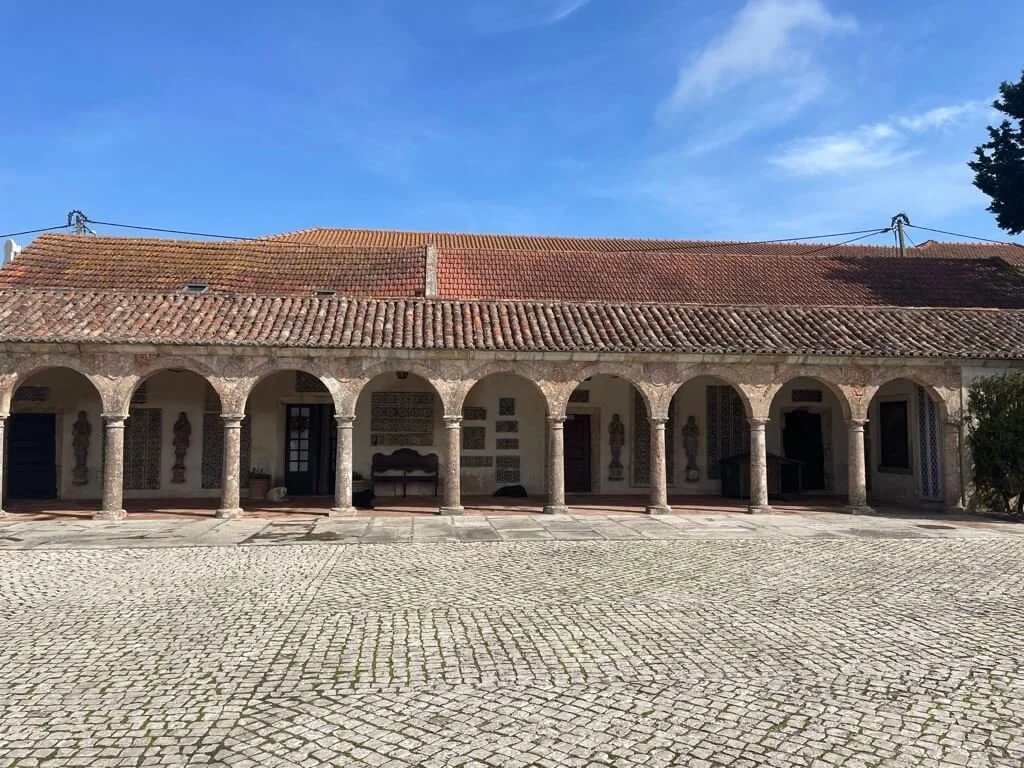
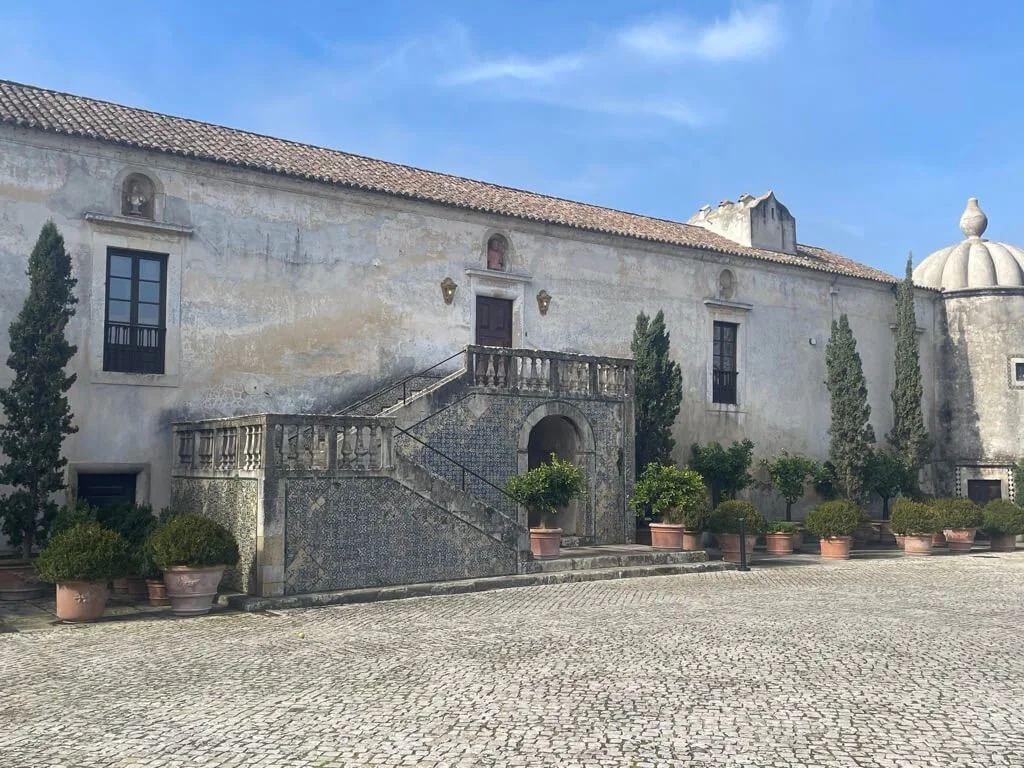
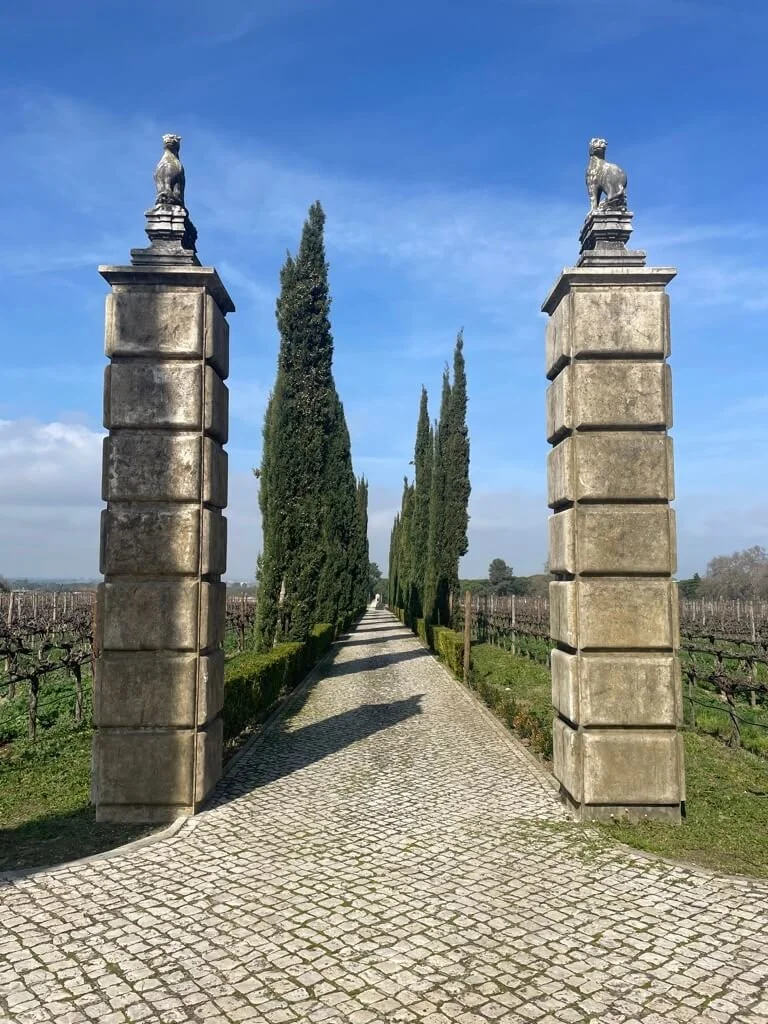
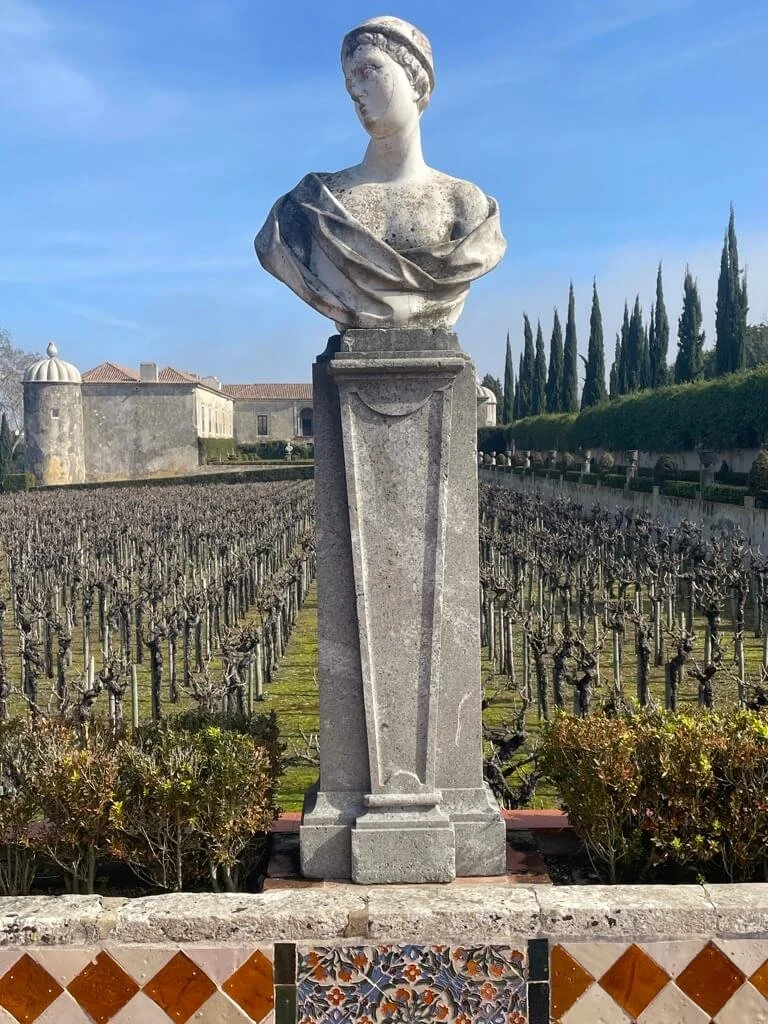
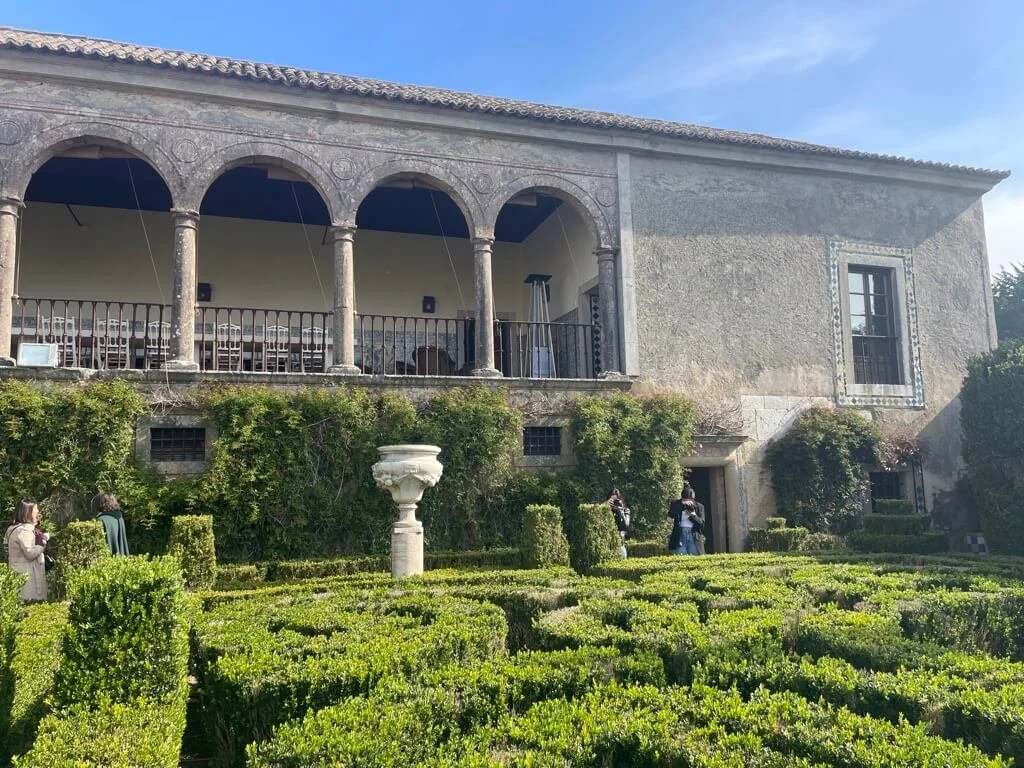
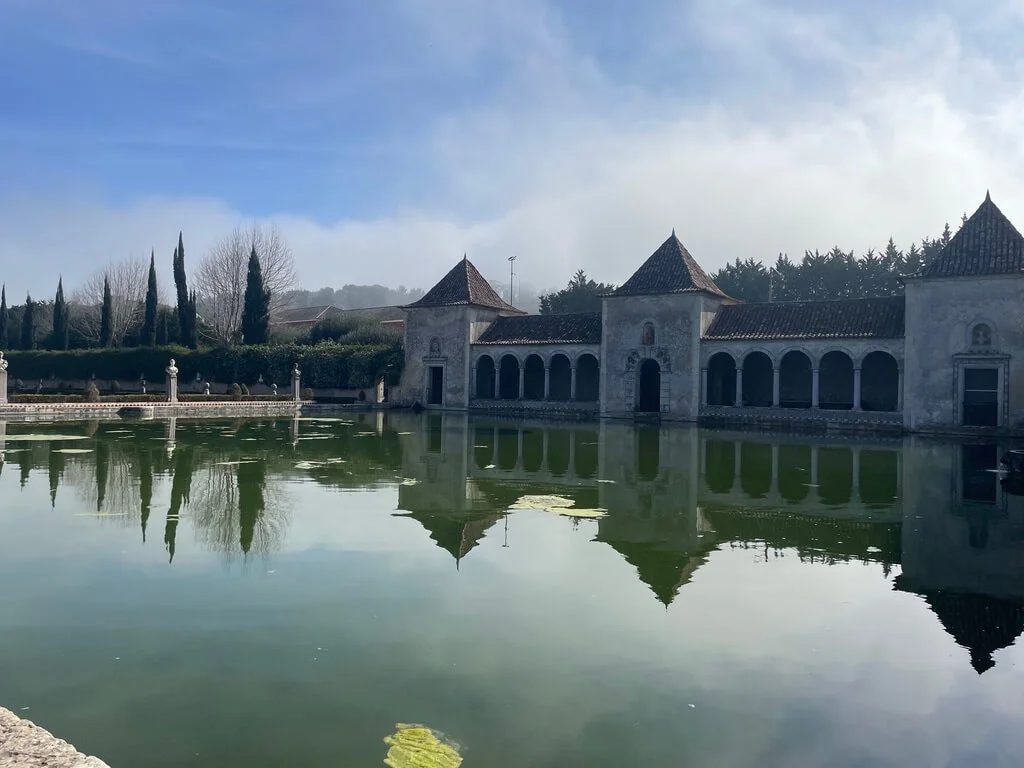
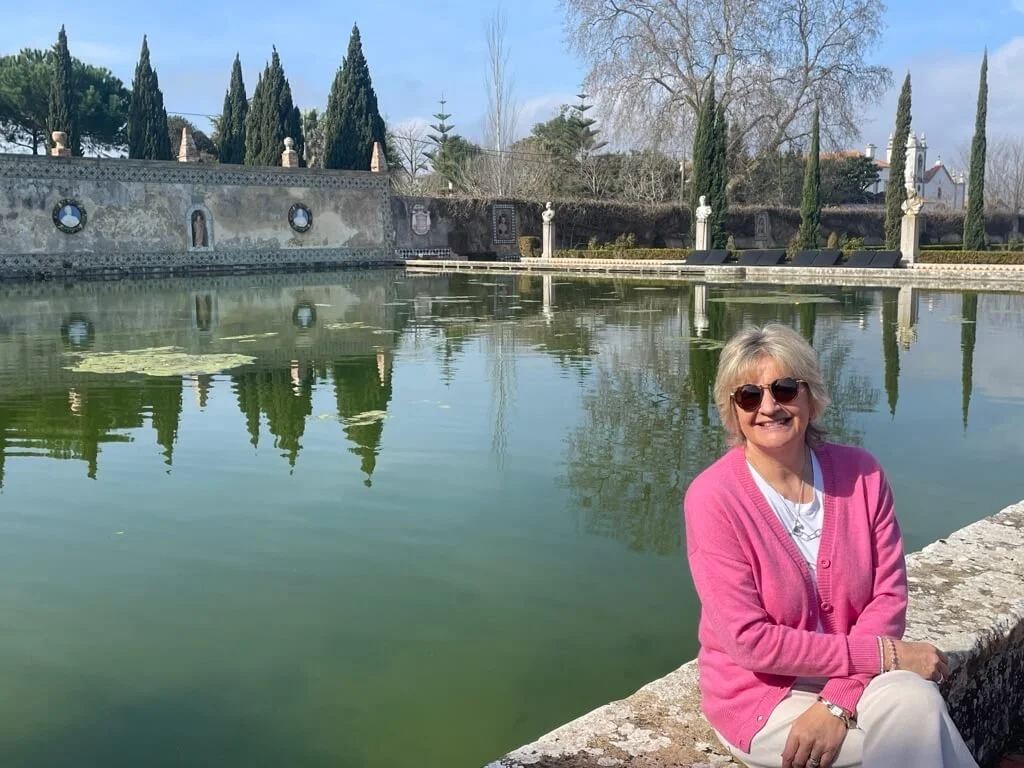
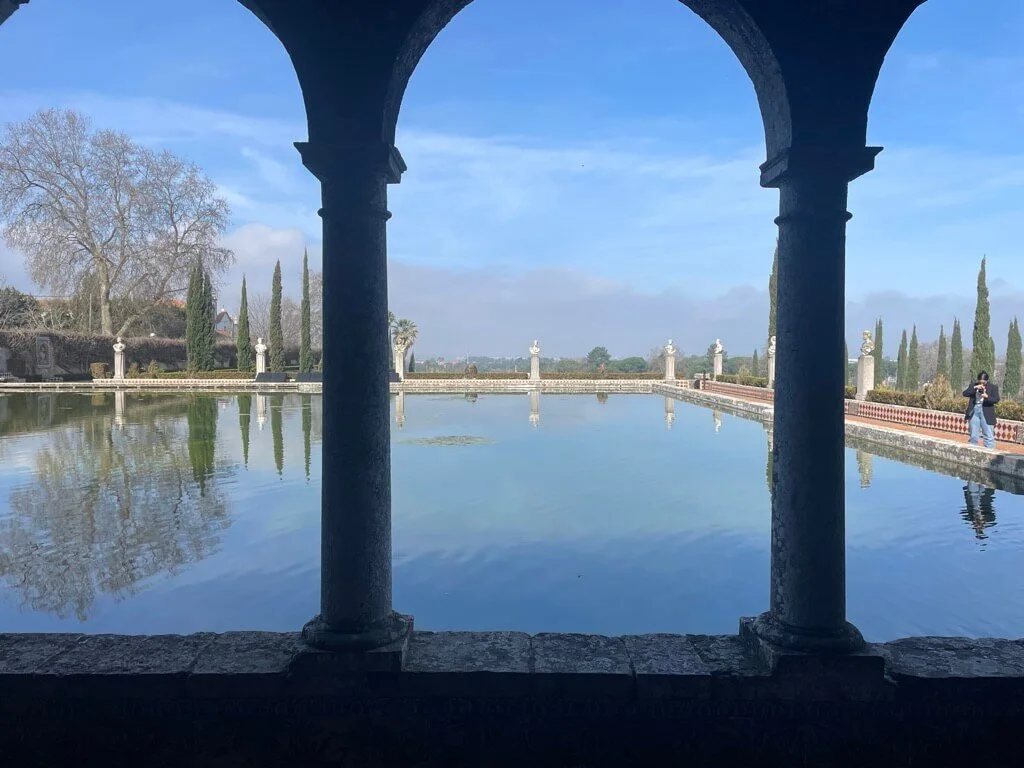
In Setúbal the Palácio da Bacalhôa - a former royal palace and national monument - and Quinta da Bacalhôa - comprising 14 hectares of vineyards - were purchased in partnership with Rothschild in 2000, in the village of Vila Nogueira de Azeitão, in the foothills of the Arrábida mountains, close to the Atlantic.
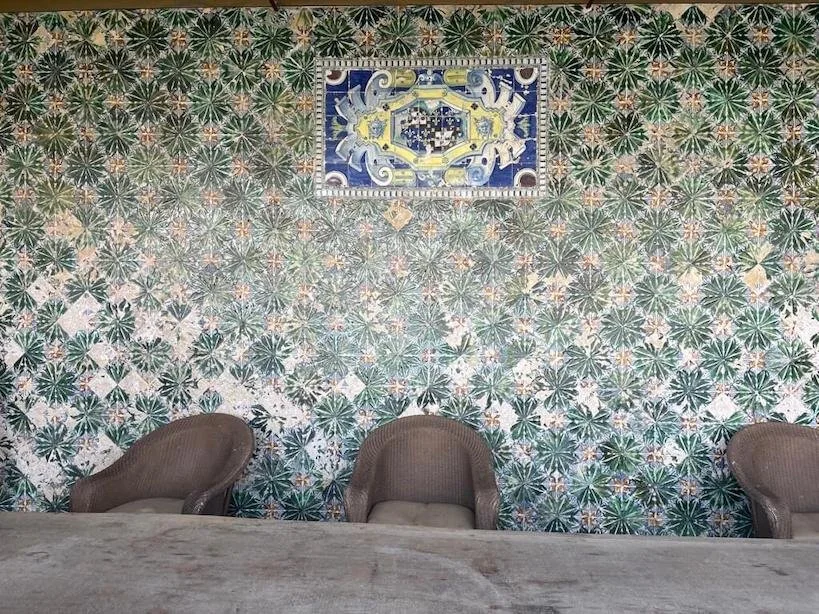
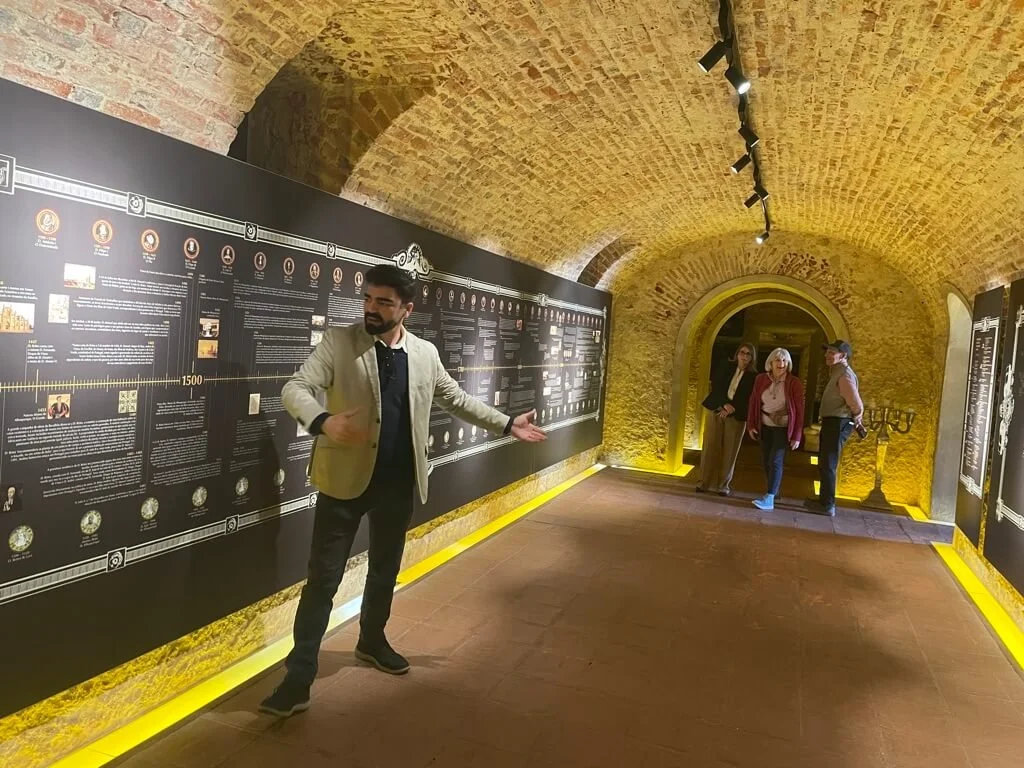
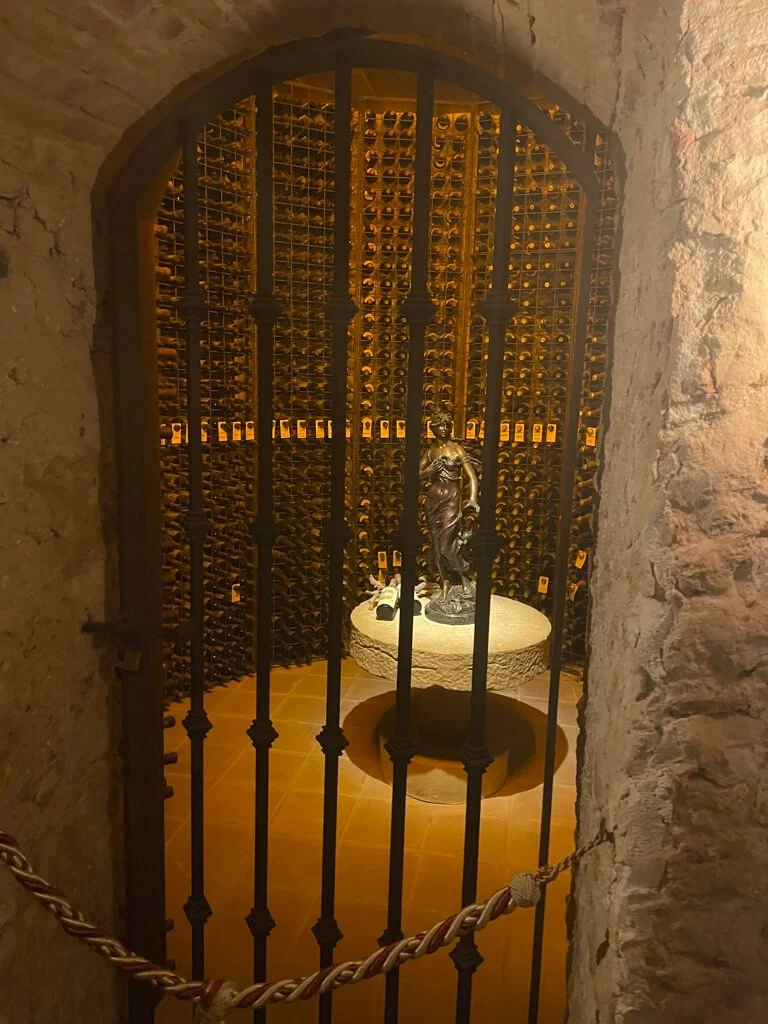
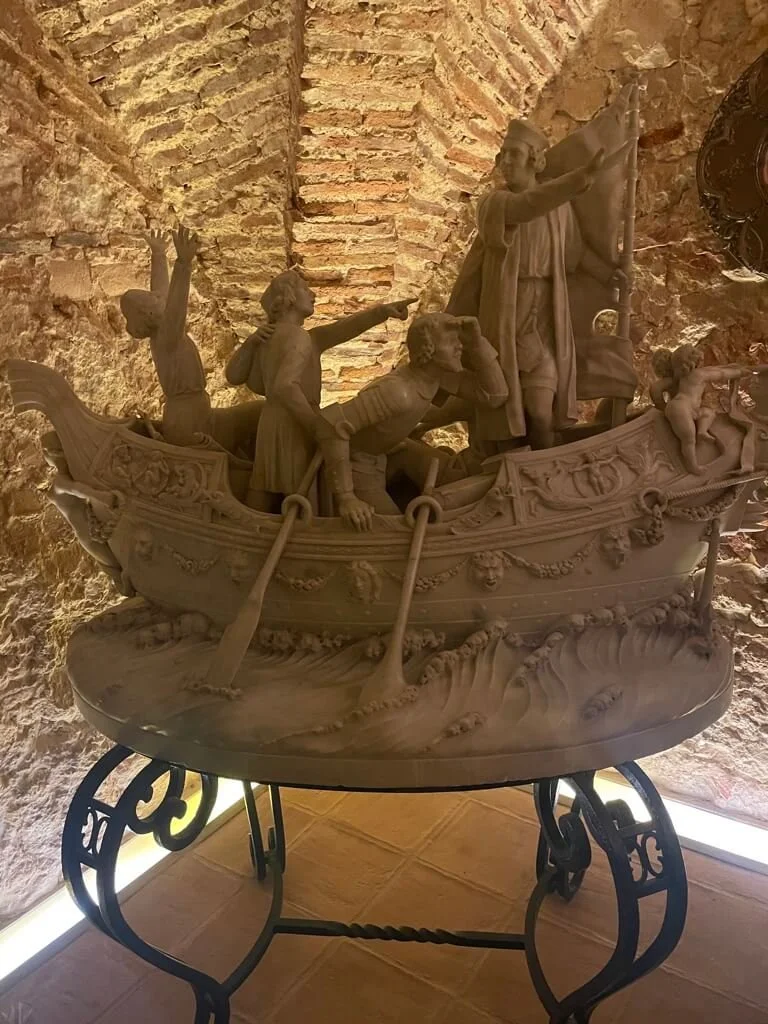
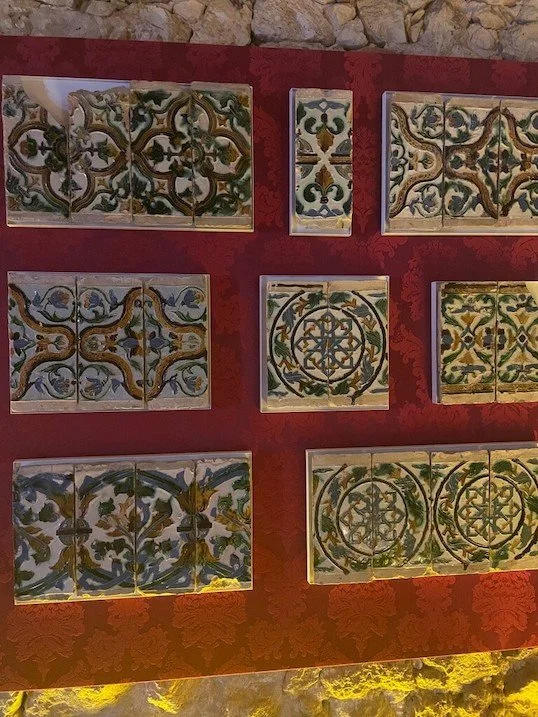
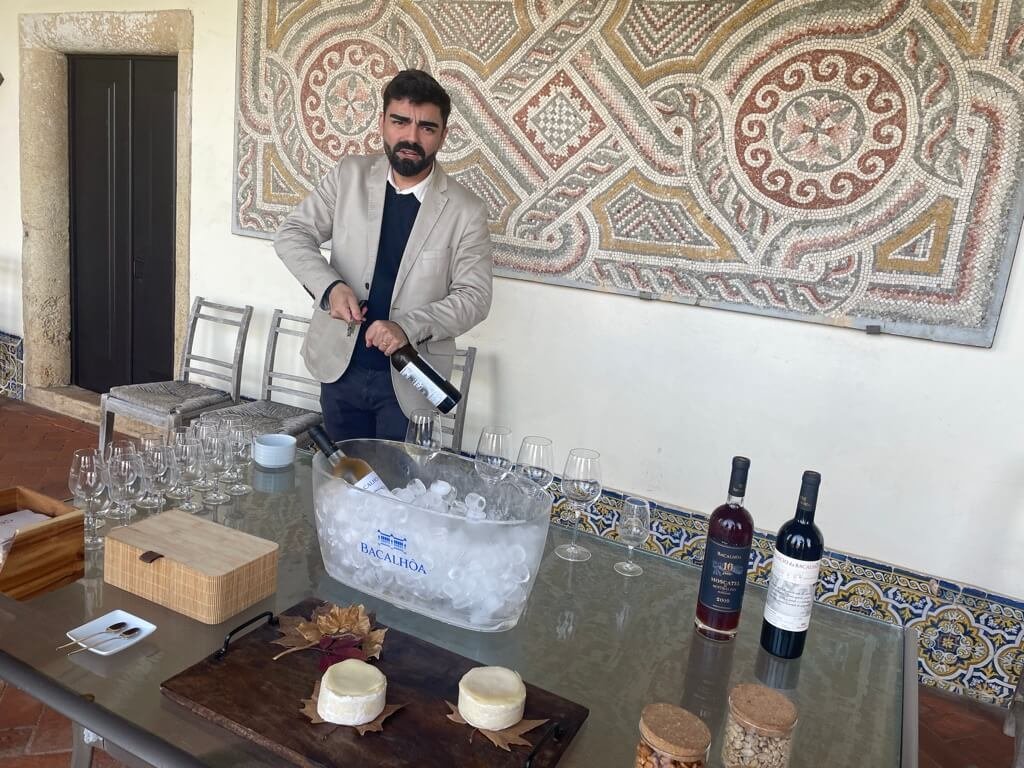
A guided tour of the spectacular Palácio da Bacalhôa enables you to not only visit the spectacular gardens and winery museum but enjoy a magnificent private art collection and visit the lakeside house where the very first dated painted tile in Portugal can be found. Of course you can’t visit without enjoying a tasting of the wonderful Bacalhôa wines, enjoying this incredible and historic setting.
Visit to Filipe Palhoça
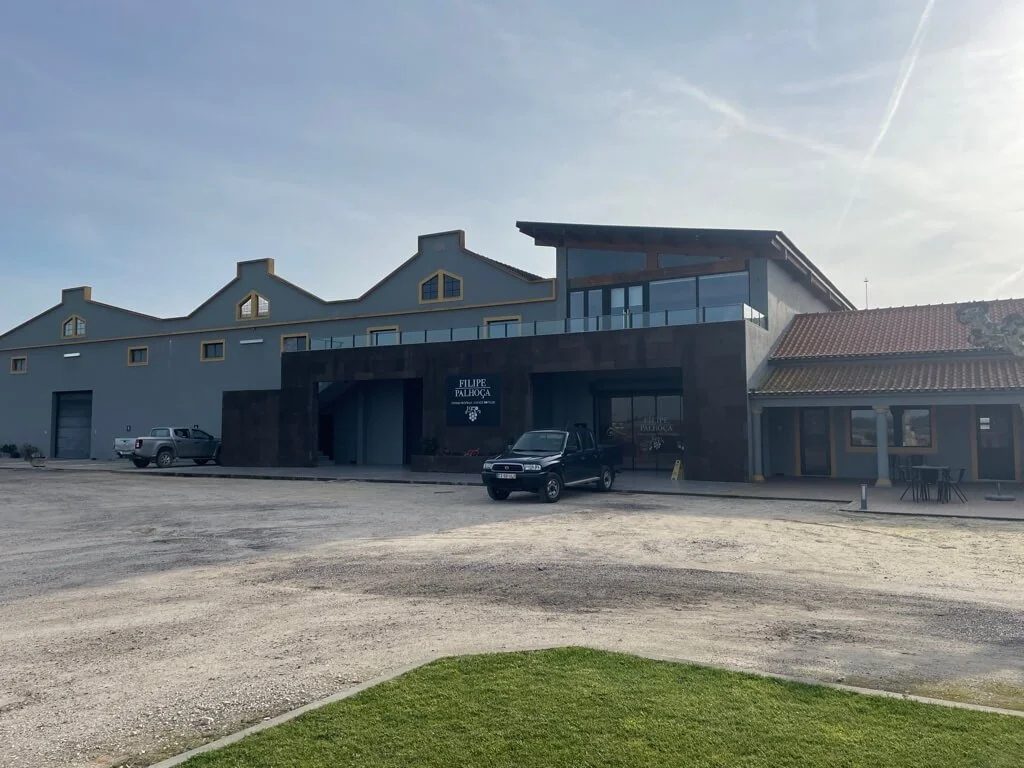
The Filipe Palhoça wine estate dates back to 1950 when Filipe Jorge Palhoça founded the family business dedicated to wine production in the Setúbal Peninsula.
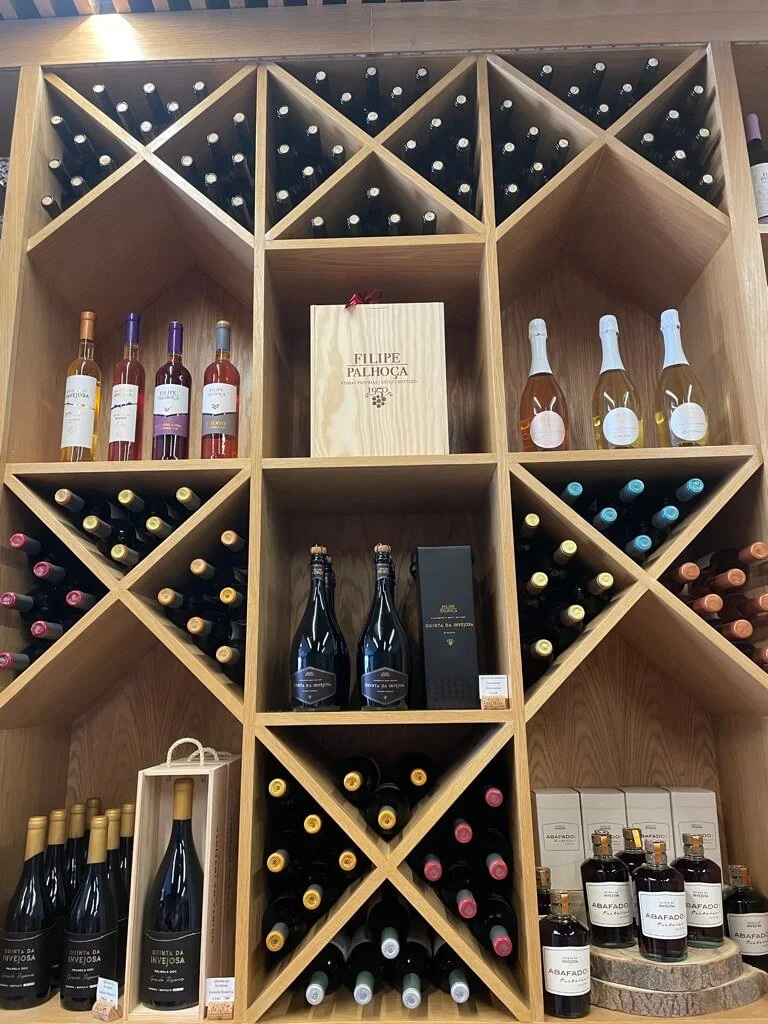
Today, Filipe Palhoça Vinhos is one of the most dynamic wine companies in the Setúbal Peninsula region, producing a wide range of wines and some 500,000 bottles per year, three quarters of which are sold in Portugal.
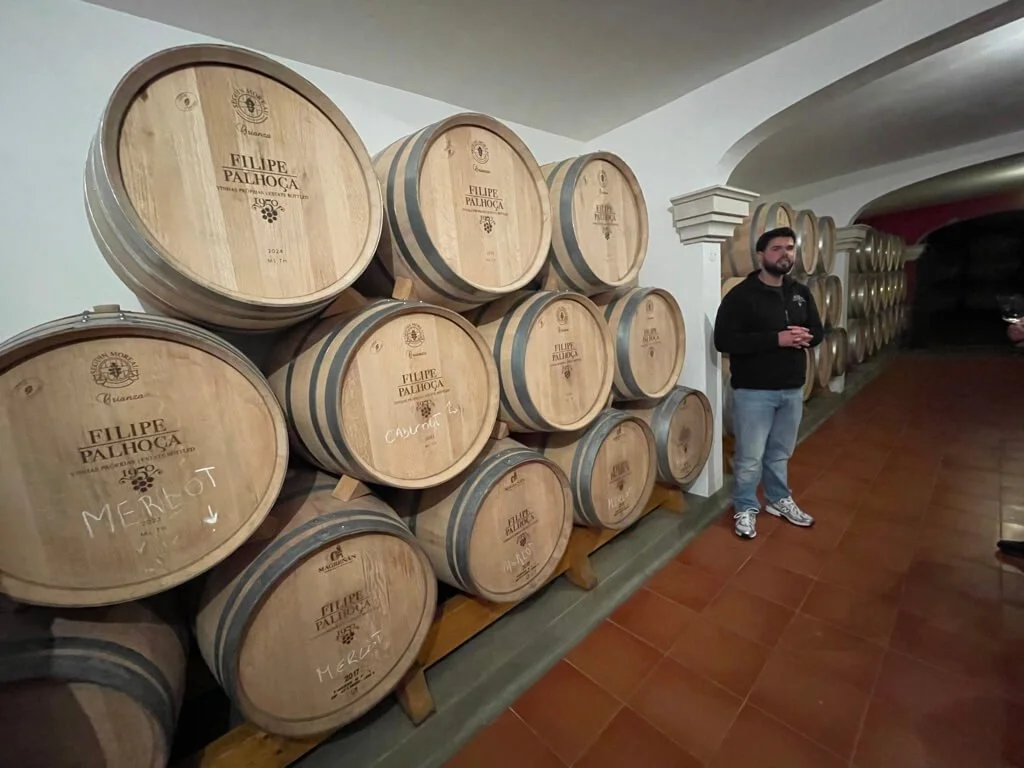
Located in Palmela, in the heart of the Setúbal Peninsula plains, the family farms 112 hectares of vineyards. The sandy soils in this part of Setúbal and the warmer Mediterranean climate provide the perfect environment for growing a wide range of grape varieties including red varieties, Castelão, Touriga Nacional, Syrah, Merlot, Cabernet Sauvignon, and Alicante Bouschet and white varieties, Fernão Pires, Verdelho, Síria, Arinto, Chardonnay, Muscat of Alexandria, and Muscat Roxo.
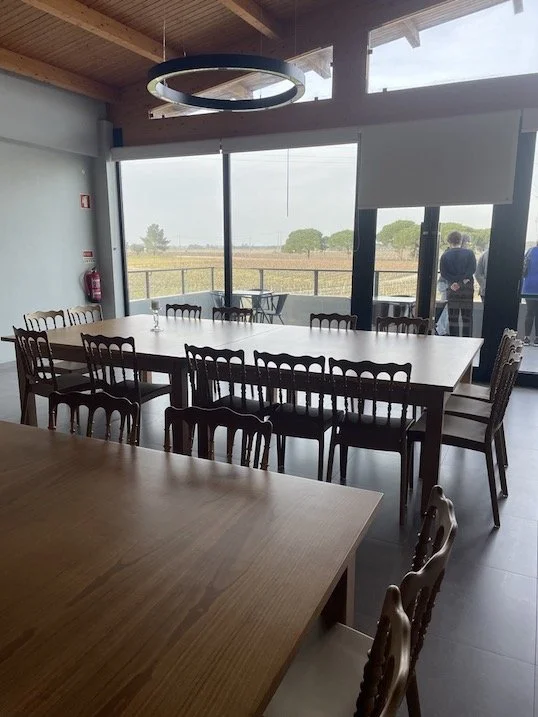
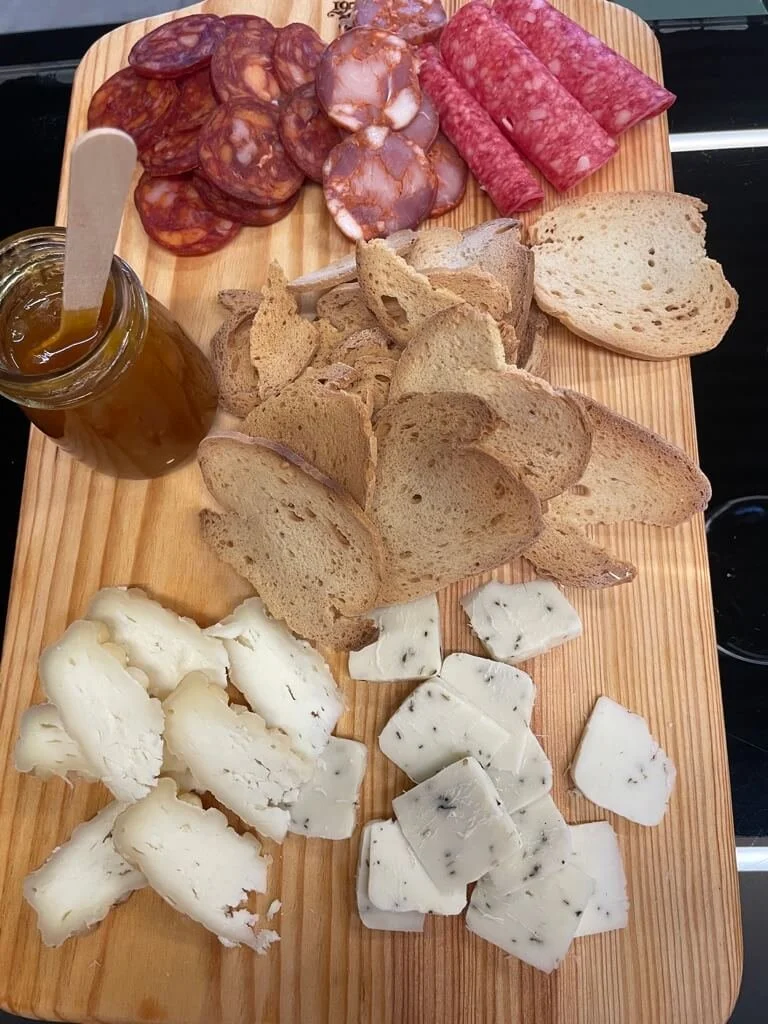
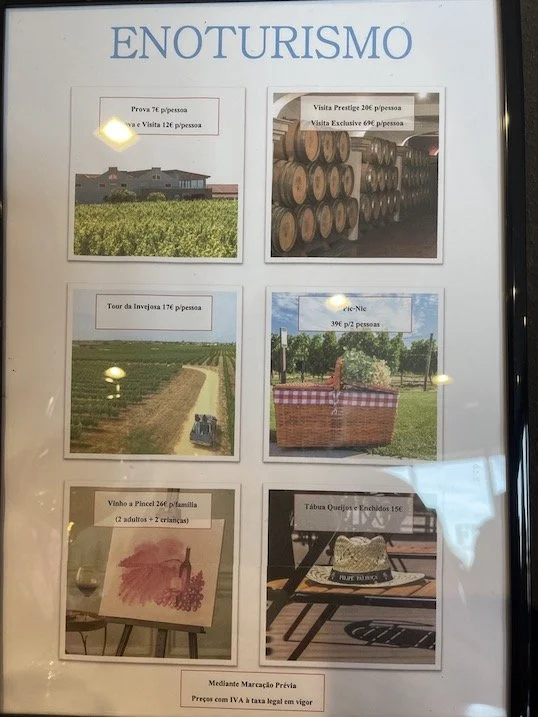
Wine tourism has been an important cornerstone of Filipe Palhoça Vinhos' strategy to connect with its visitors and consumers since 2021, with a wide range of cellar visits, tours, experiences and tastings. We certainly enjoyed an excellent tour and tasting!
The Setúbal Peninsula Wine Route
An ideal way to discover the best of a wine region is to check out the available ‘wine tourist routes’, which offer lots of information about routes to follow, wineries to visit, wine experiences, accommodation, restaurants and much more. They are specifically designed to ensure you get the most from your visit to the wine region and to help you plan the perfect wine tour!
For the Setúbal Peninsula, check out the Rota de Vinhos Península de Setúbal, suggesting 7 different wine routes, Setúbal wine cellars to visit, recommended restaurants and selected wine experiences.
You can also visit the excellent Setúbal wine tourism office in the centre of Palmela and enjoy a variety of tastings and a visit to the wine cellars.
Where to stay in Setúbal
The Setúbal Peninsula Wine Route can also help you plan your accommodation and we can personally recommend a fabulous, privately owned hotel, part of the ‘Small Luxury Hotels of the World’ and ‘Once upon a House’ groups, Hotel Casa Palmela.
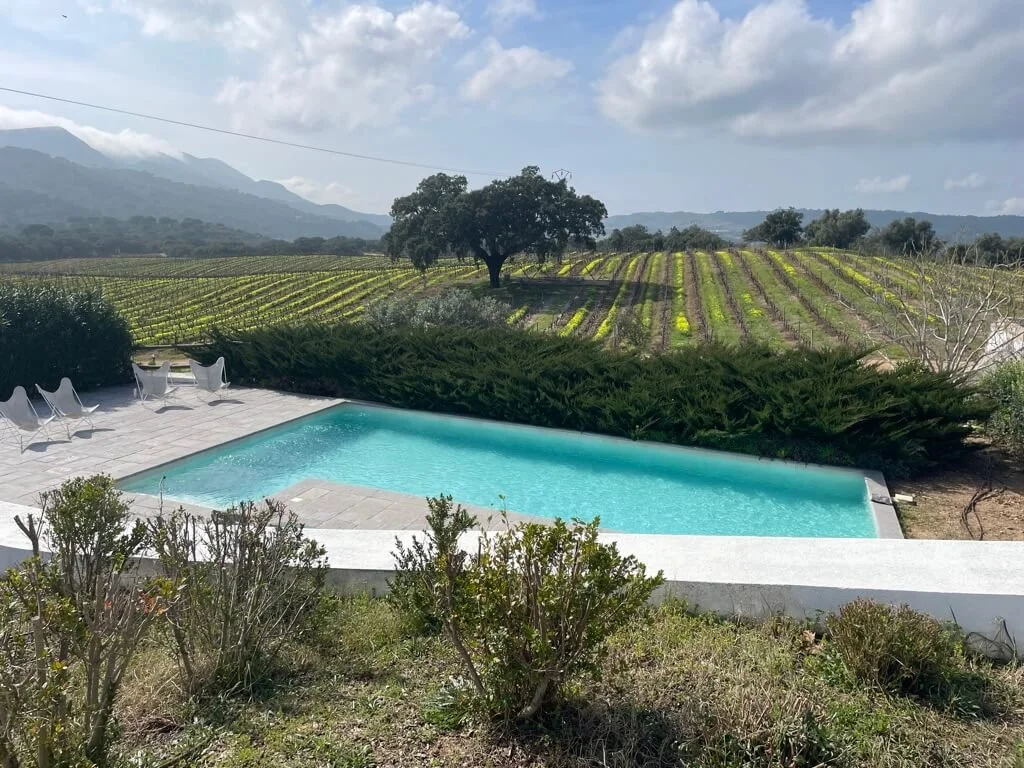
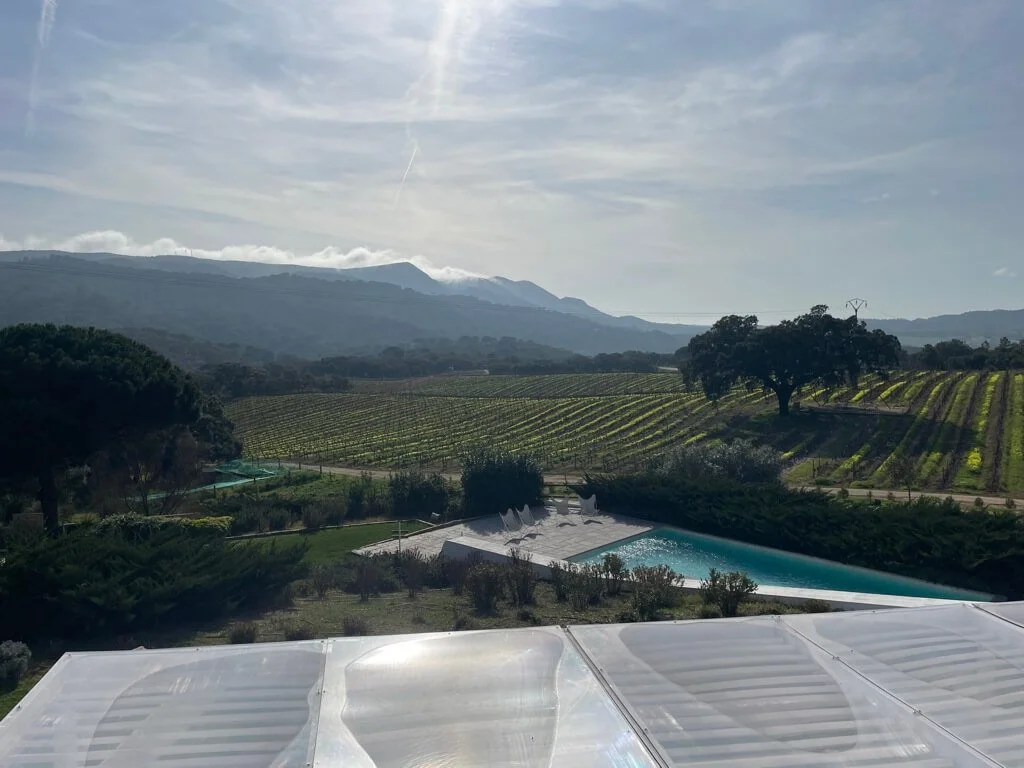
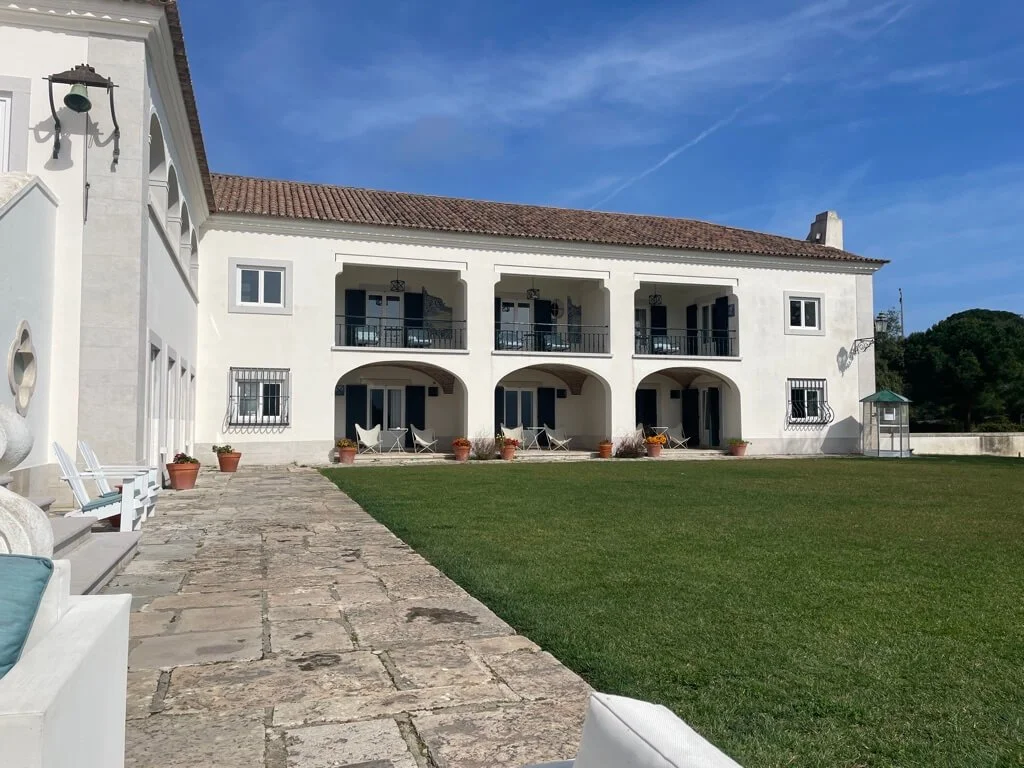
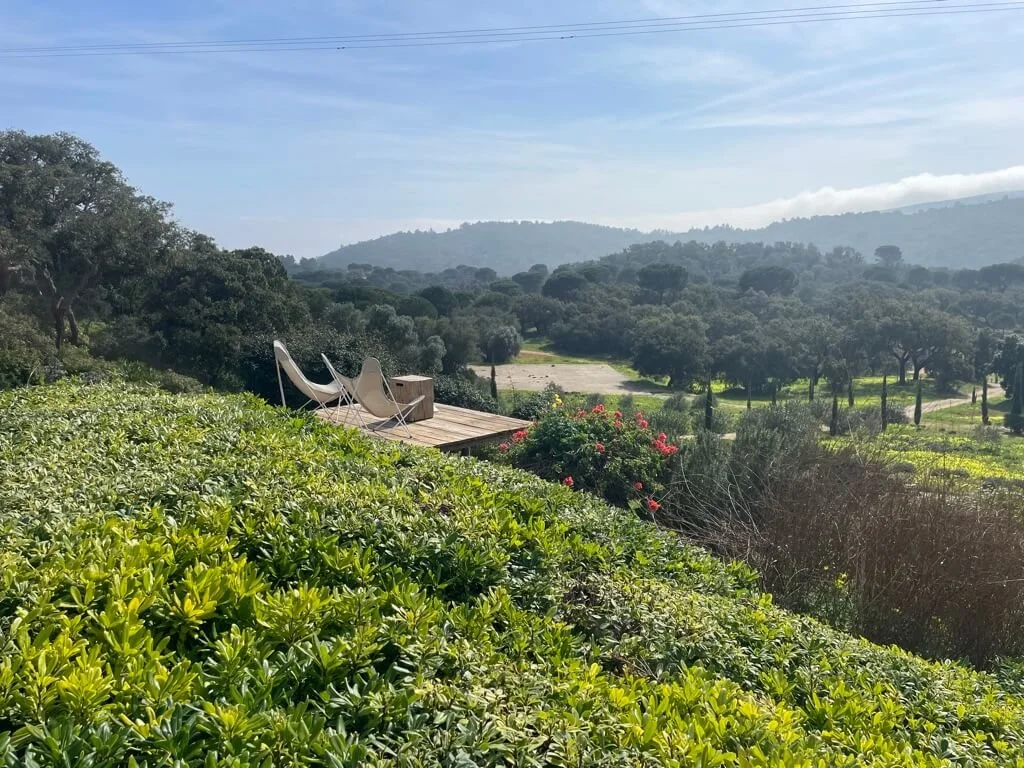
Hotel Casa Palmela - Source: Winekeller
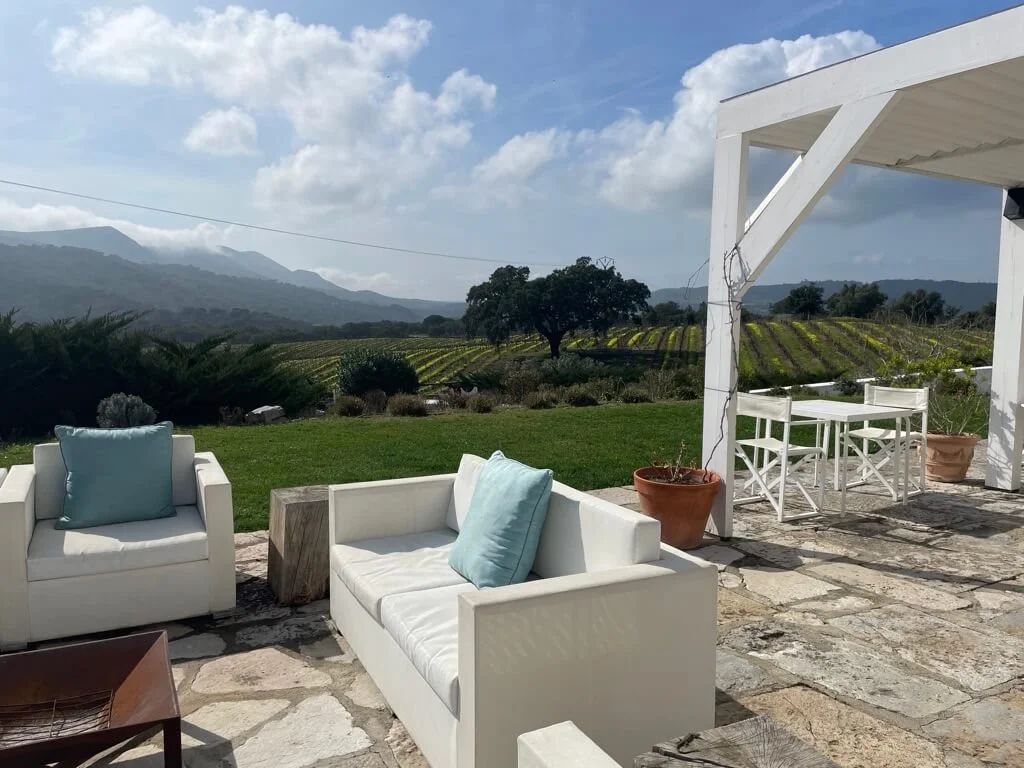
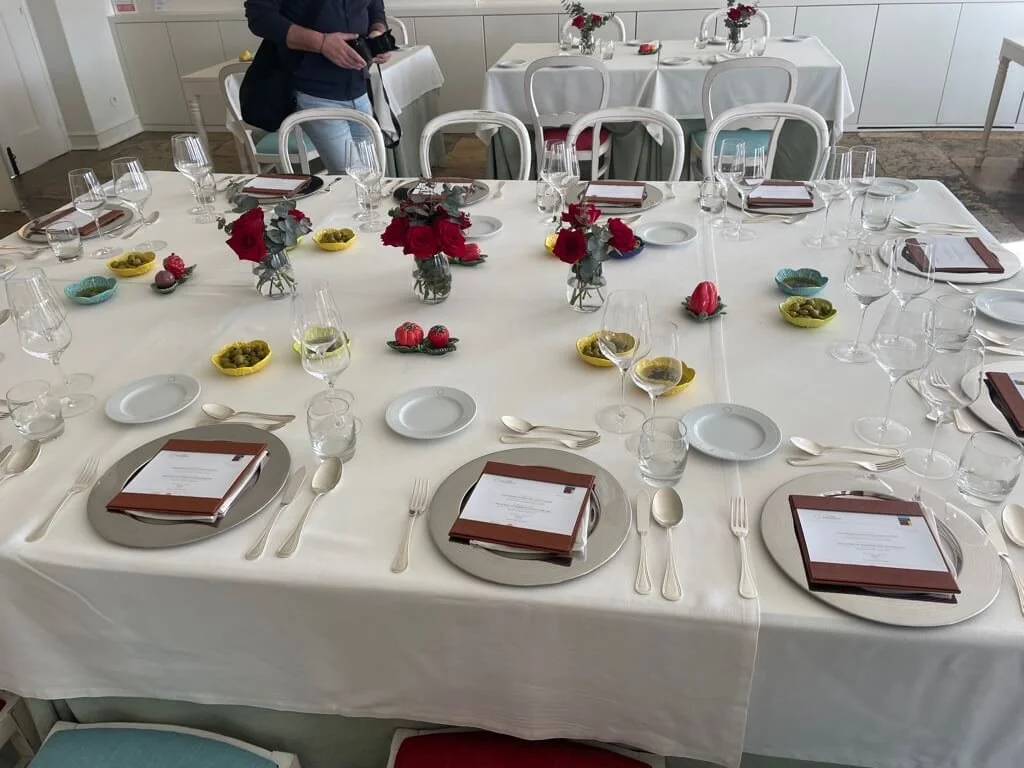
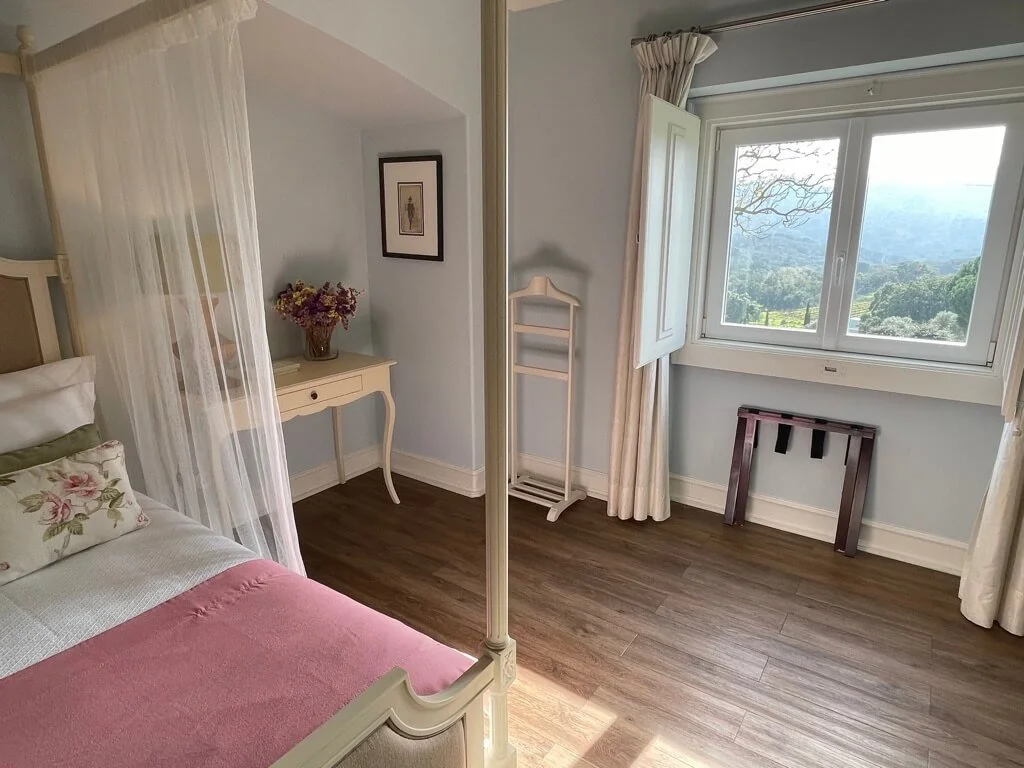
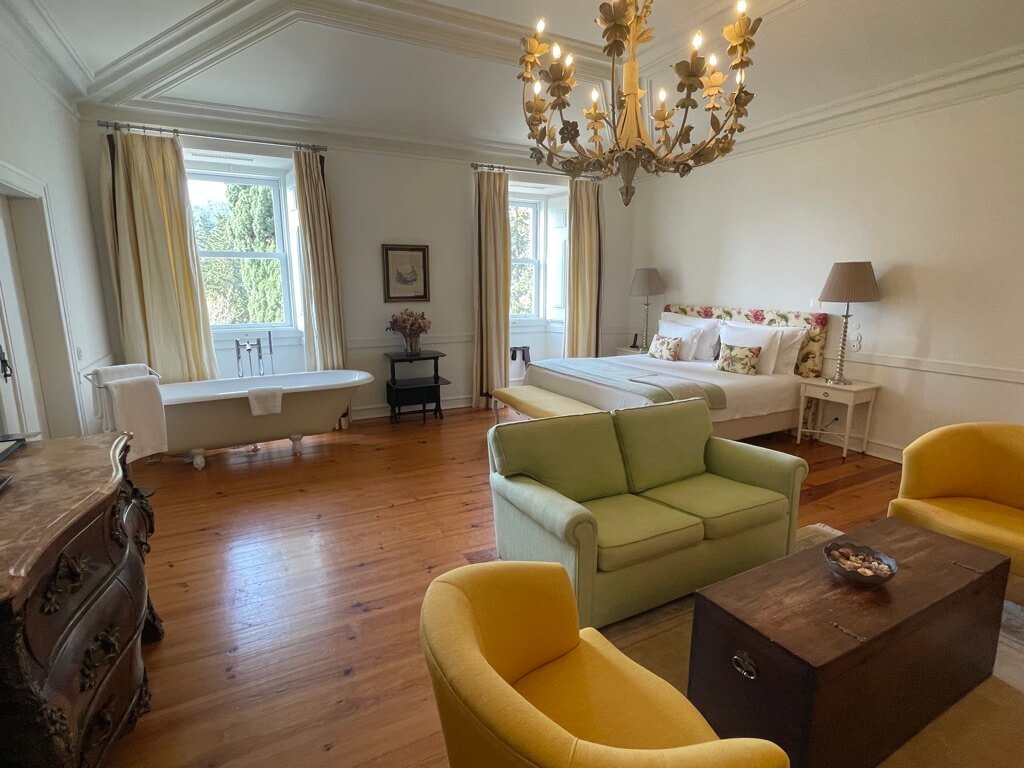
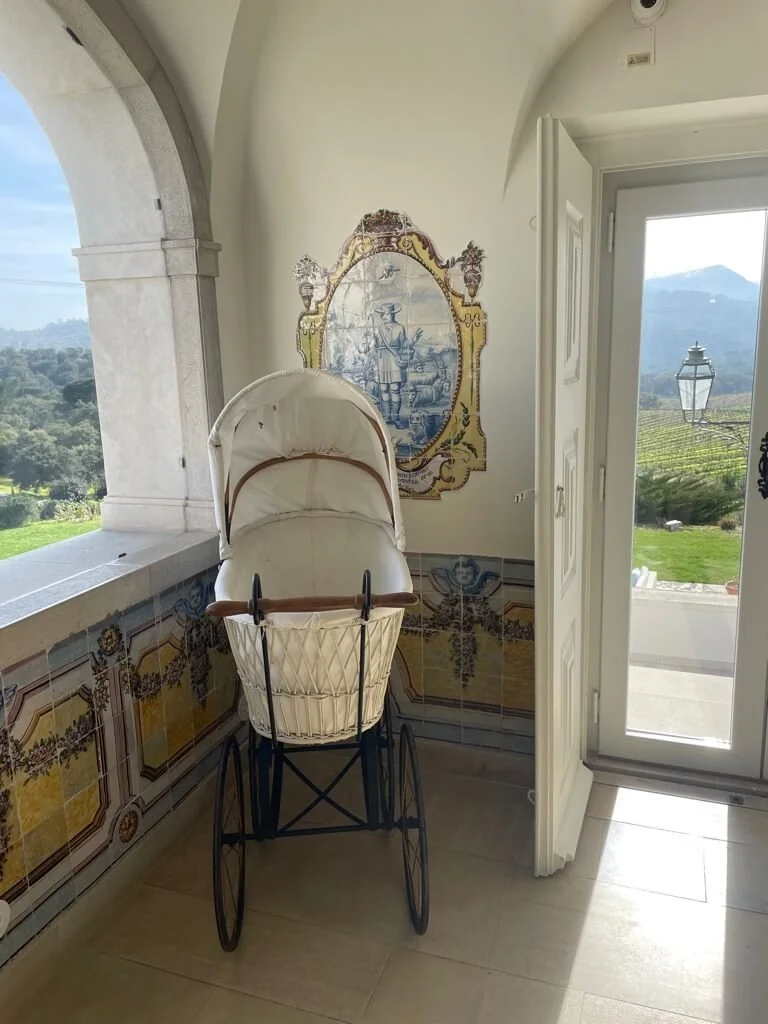
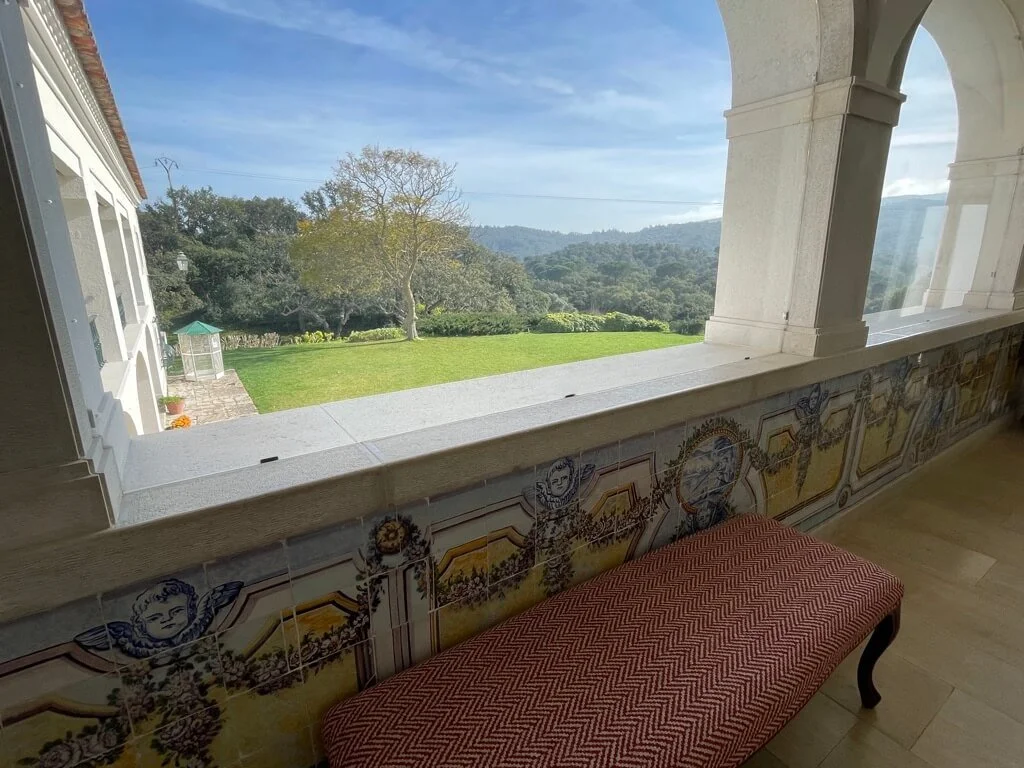
Located in the heart of the Arrábida Natural Park, this former family home has a history dating back to the 17th century and today offers a nature and relaxation retreat, with beautiful beaches just 15 minutes away, horse riding, cycling and nature, river and marine parks close by. The concept at Hotel Casa Palmela revolves around ensuring guests feel cherished and ‘at home’ and with just 21 rooms, spread across 5 houses and 2 swimming pools nestled in a glorious 70 hectare estate and our experience was certainly that. We enjoyed a wonderful lunch in the lovely Zimbral restaurant and we can highly recommend Hotel Casa Palmela as the perfect location to relax and explore the beautiful Arrábida Natural Park and the Setúbal Peninsula.
Conclusion
If you’re planning a trip to beautiful Lisbon, try to make time to journey into the Setúbal Peninsula - just an hour away it’s the most delightful wine region. We loved the coastline and the Arrábida mountains and were blown away by Setúbal’s market and the incredible selection of fish!