What is so special about Lisbon Portugal?
Our guide and recommendations for visiting Portugal’s capital, Lisbon
Is Lisbon worth visiting?
Yes, yes, yes! We have been visiting Lisbon for almost 20 years and never tire of this beautiful, historic city.
Lisbon is one of the oldest cities in the world, the second-oldest European capital city after Athens and mainland Europe’s westernmost capital city. It is consistently rated one of the top cities in the world to visit and justifiably so - it’s a vibrant, charismatic city that blends tradition and history with modernism and innovation.
Lisbon lies on the River Tejo (Tagus), just 8km from the Atlantic and is protected by two mountain ranges, the Arrábida and Sintra mountains. The climate in Lisbon is very agreeable - about ten degrees in the Winter and thirty degrees in the Summer and the wine regions of Portugal - especially the Lisboa and Setúbal wine regions - are all within easy reach, making it possible to visit to the capital city and combine it with visiting the vineyards near Lisbon too.
Here’s an introduction to this beautiful city and some suggestions of to things to do in Lisbon.
A nation of travelers and navigators
Lisbon’s location on the western edge of continental Europe provided a door to the world for Portugal and a connection to the African continent - with Spain on one side and the Atlantic on the other, Portugal had to expand out across the sea as they weren’t able to expand into Europe.
As such Lisbon became home to the world’s greatest explorers and navigators, including Vasco da Gama, Magalhães and Prince Henry the Navigator.
In fact you could say that Lisbon became the first ‘world city’ and this goes to explain why the Portuguese are such a warm, welcoming nation of people.
The Portuguese navigator Vasco da Gama, successfully sailed into North and South Africa and around the Cape of Good Hope, between 1497 and 1499, developing the spice trading routes - especially for pepper and nutmeg (spices were important for food and medicine).
In 1500, Pedro Álvares Cabral, is credited with discovering Brazil while leading an expedition to India and by the time of the 16th century Portugal had colonies in 53 countries. Brazil was a Portuguese colony up until 1822 and Macau until 1999.
Portugal’s famous navigators and their discoveries are very much celebrated and recognised in the popular and historic Belém area of Lisbon.
Belém Lisbon, things to do
The spectacular Jerónimos Monastery, Belém Lisbon - Source: Winekeller
Belém is located on the western side of Lisbon on the River Tejo at the entrance to the Port of Lisbon - a laid-back area known for its historic landmarks that recall Portugal’s seafaring past.
Central to this is the vast Gothic Jerónimos Monastery, which took seven years to build, finishing in 1502 and commissioned by King D. Manuel 1, who donated it to the monks of Saint Jerónimos so they would pray for him and the seafarers leaving Lisbon. It was also built in memory of Prince Henry the Navigator.
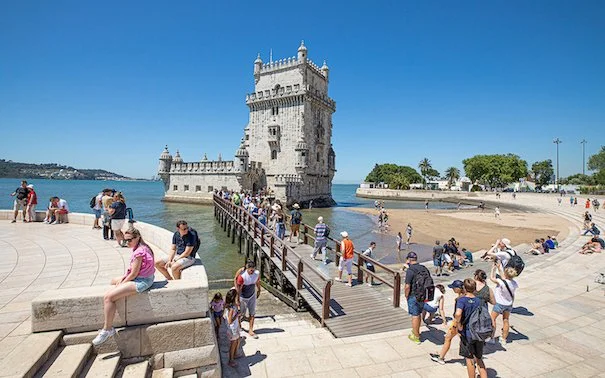
The monastery is a UNESCO World heritage Site, together with the impressive Belém Tower (Torre de Belém), which was constructed by Francisco de Arruda in 1514 to commemorate the expedition of Vasco da Gama. It also served to defend the Port of Lisbon. You can visit the Belém Tower - the views from here are superb.
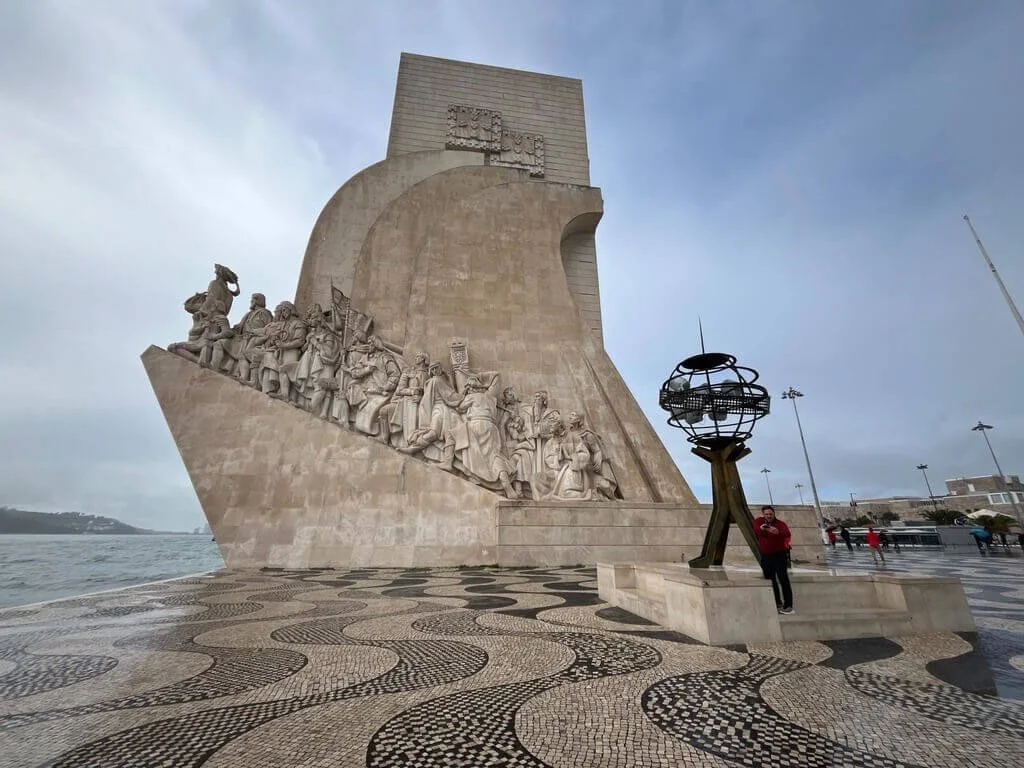
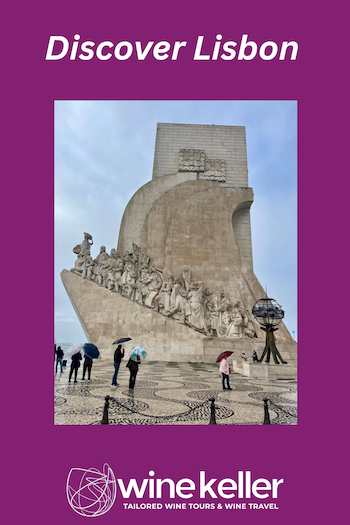
Close by, on the banks of the river is the sail-shaped ‘Monument to the Discoveries’ - a spectacular tribute to Portugal’s 15th century ‘Age of Discovery’.
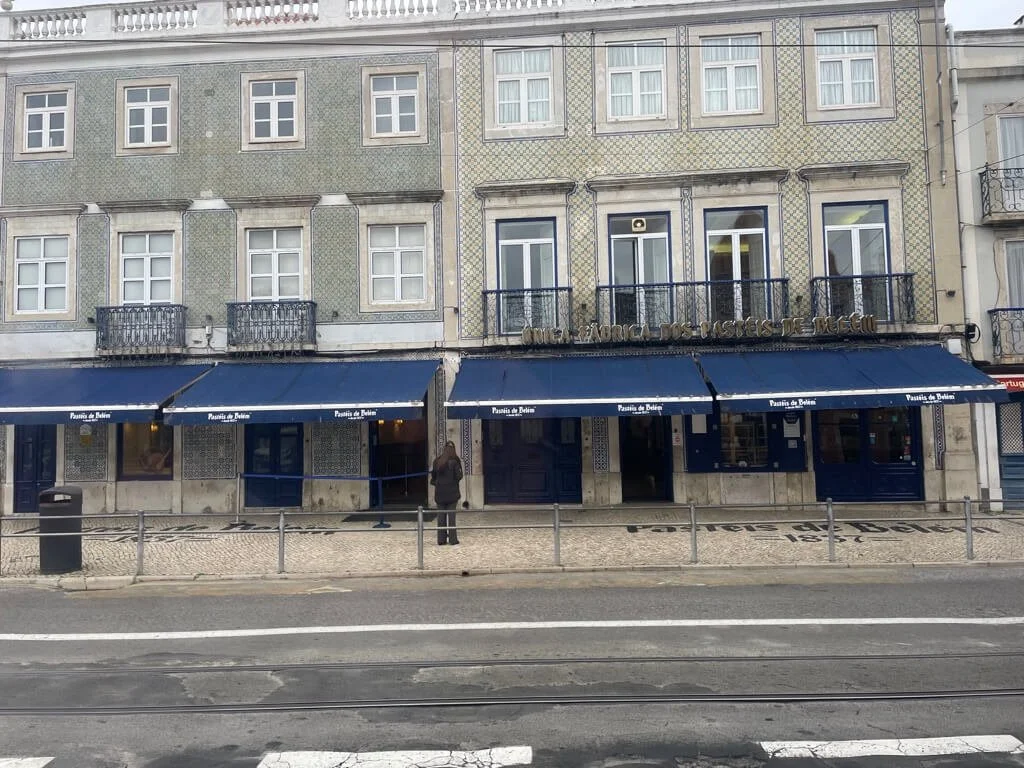
There are lots of museums to explore in Belém as well as a modern cultural centre and you shouldn’t miss the opportunity to visit (be prepared to queue) the popular Pastéis de Belém patisserie, home of the original Pastéis de Nata custard tart. Apparently, the original recipe for the famous Pasteis de Nata came from the monastery in 1837. There are also some excellent restaurants in the Belém area.
Exploring the downtown Baixa district
Praça do Comerçio, Lisbon - Source: Winekeller
A powerful earthquake and a resulting fire and tsunami, destroyed much of Lisbon in 1755. Rebuilding started the following year, led by the Marquès de Pombal, transforming the medieval streets to a modern grid structure.
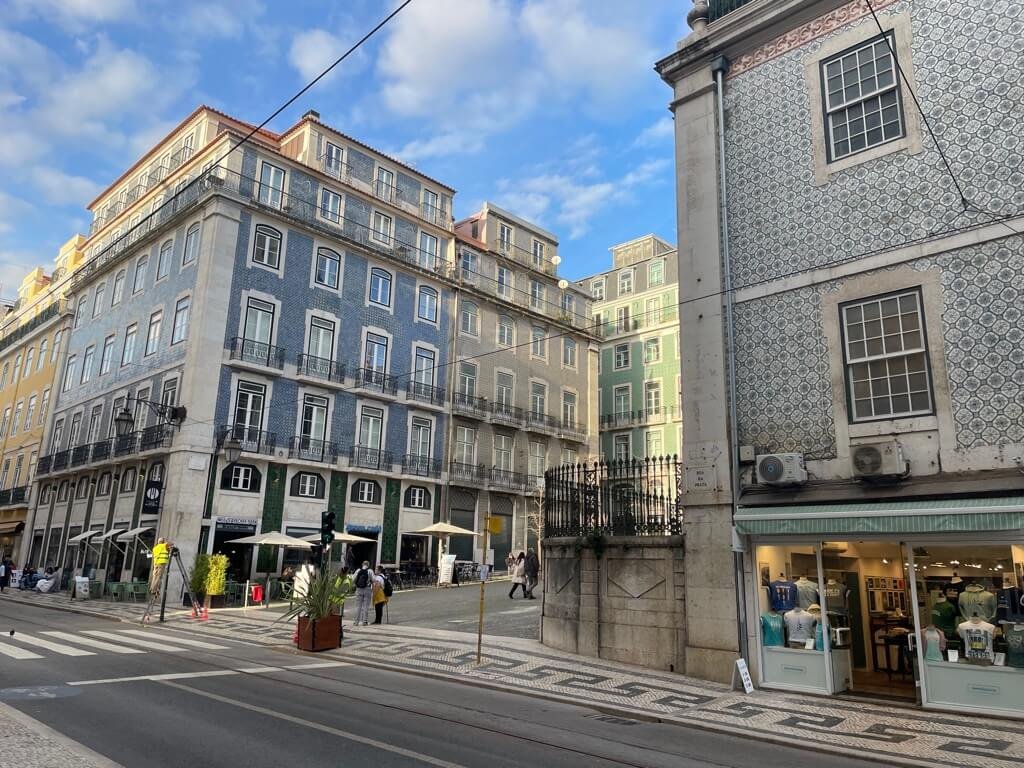
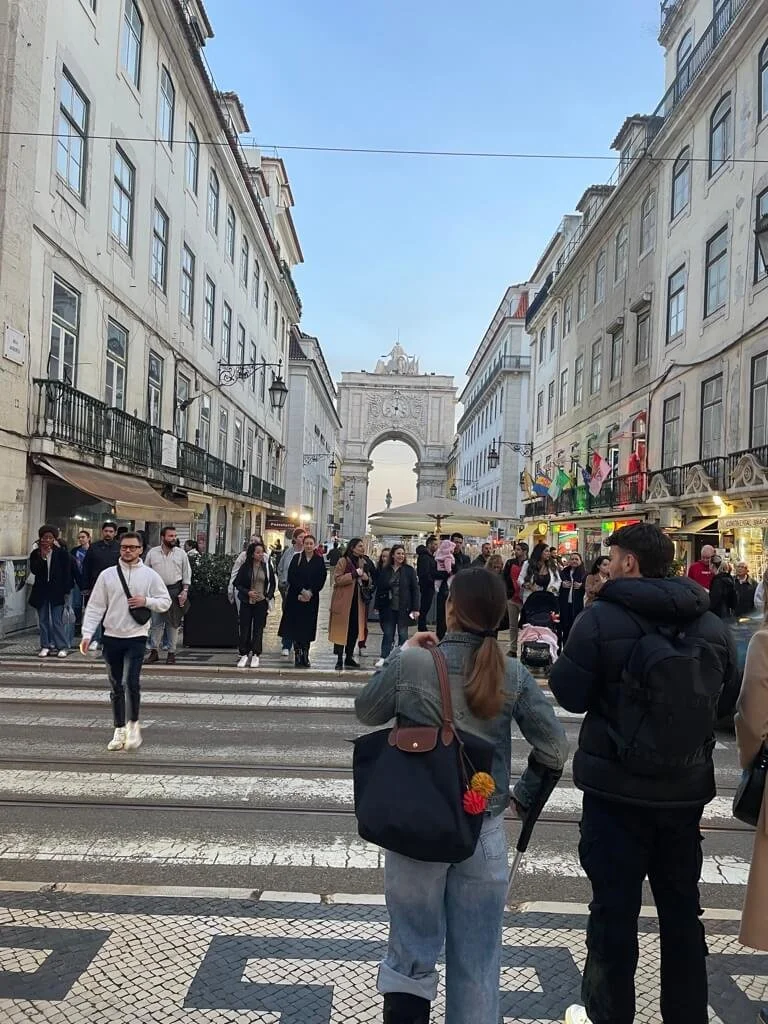
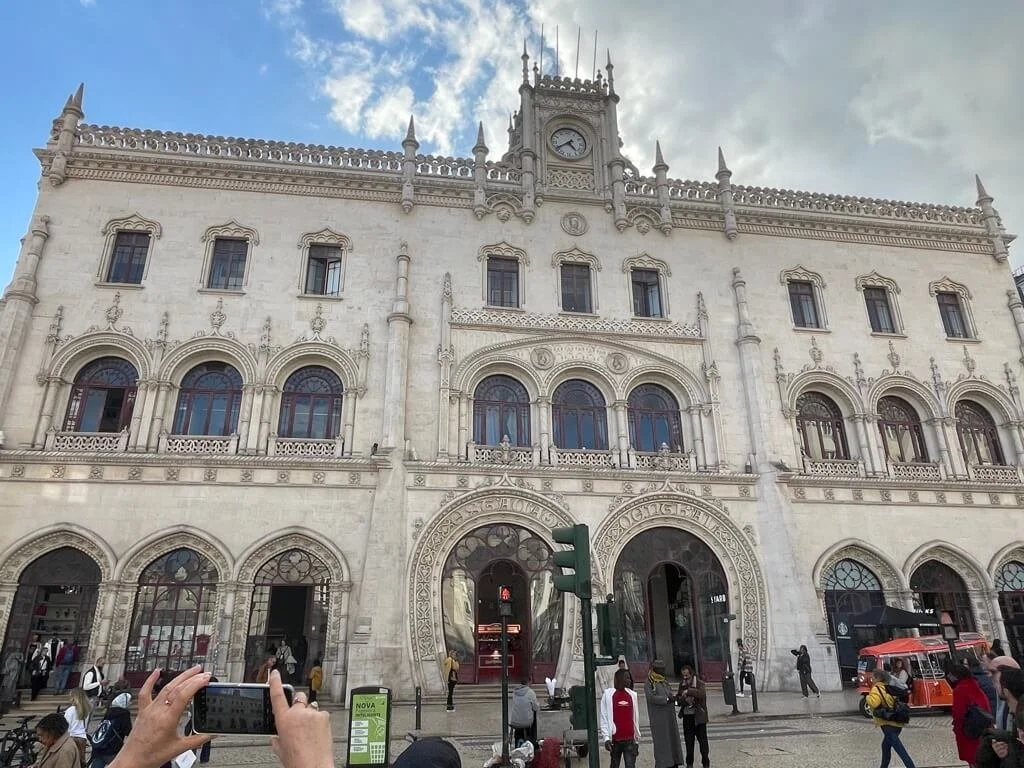
Core to the new city was the downtown or Baixa district which stretches from the River Tejo up to the Praça Marquès de Pombal plaza, one of its five beautiful squares. Praça Dom Pedro 1V - or Rossio Square - is the heart of Lisbon . It was the first square to be cobbled and is framed by beautiful Jacaranda trees, which offer a stunning display in May/June. Also look out for the beautiful black and white ‘wave’ cobblestone tiles.
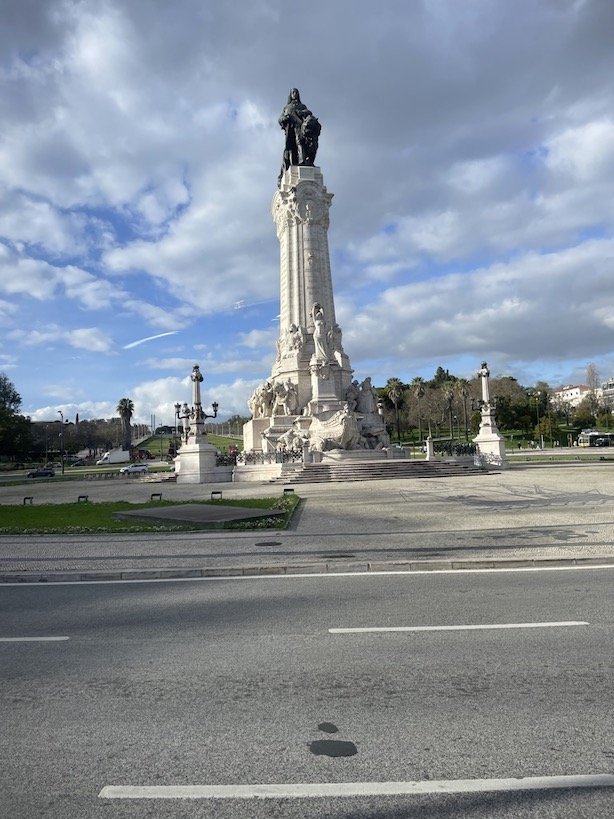
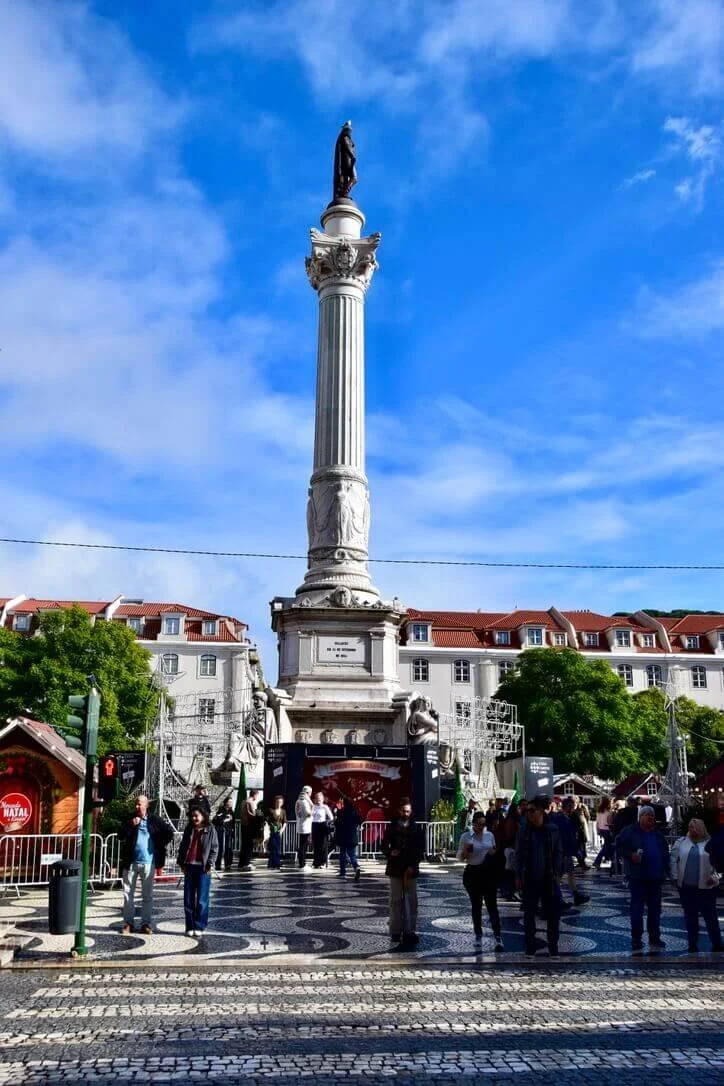
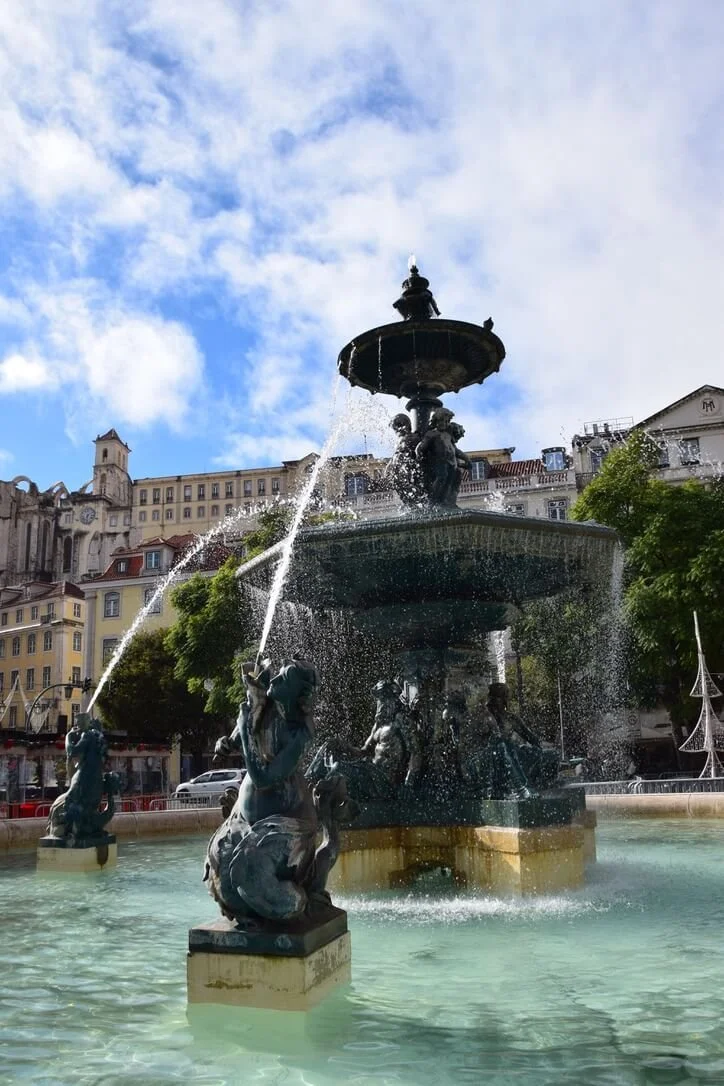
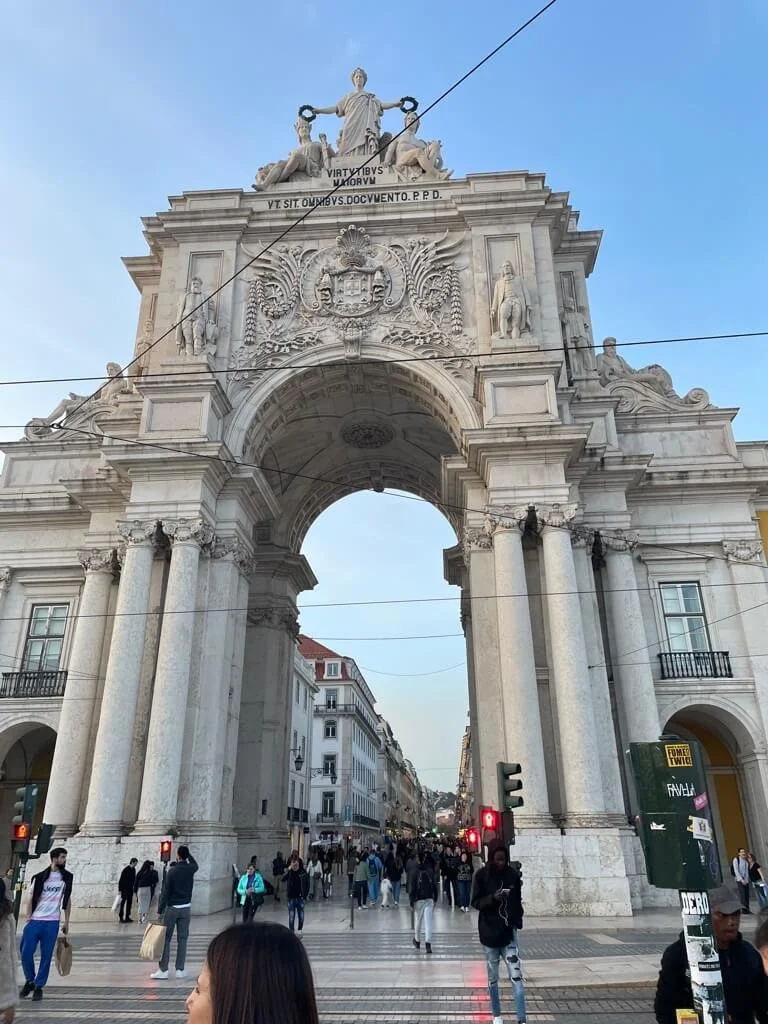
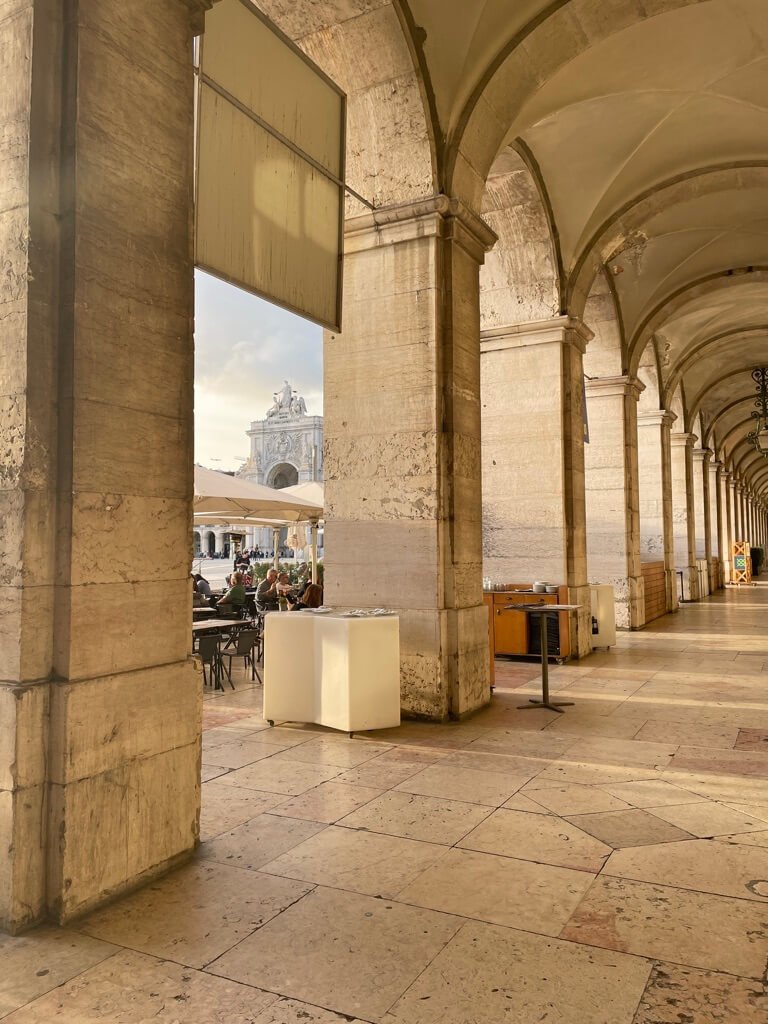
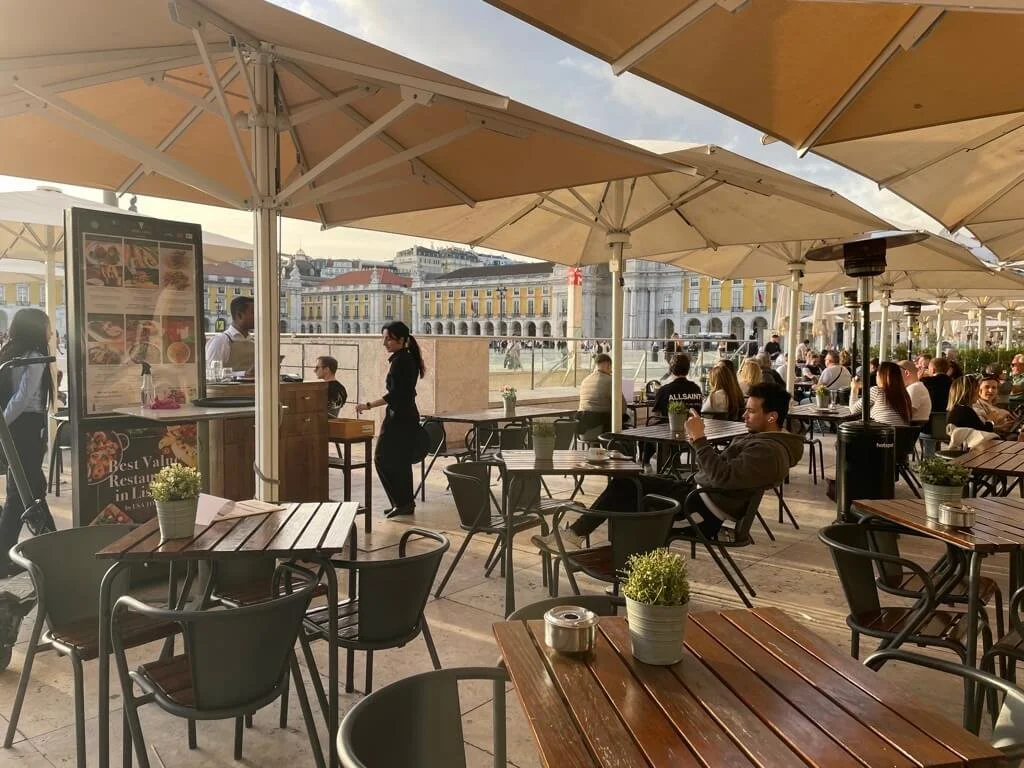
Perhaps the most famous square though - and one of the most majestic squares in the world - is Praça do Comerçio, a huge square measuring some four hectares located at the Tejo river and designed to be the entrance to the city from the sea/river. All of the beautiful building façades and arcades look out onto the river and in the centre of the square is the imposing equestrian statue of King D. José 1.
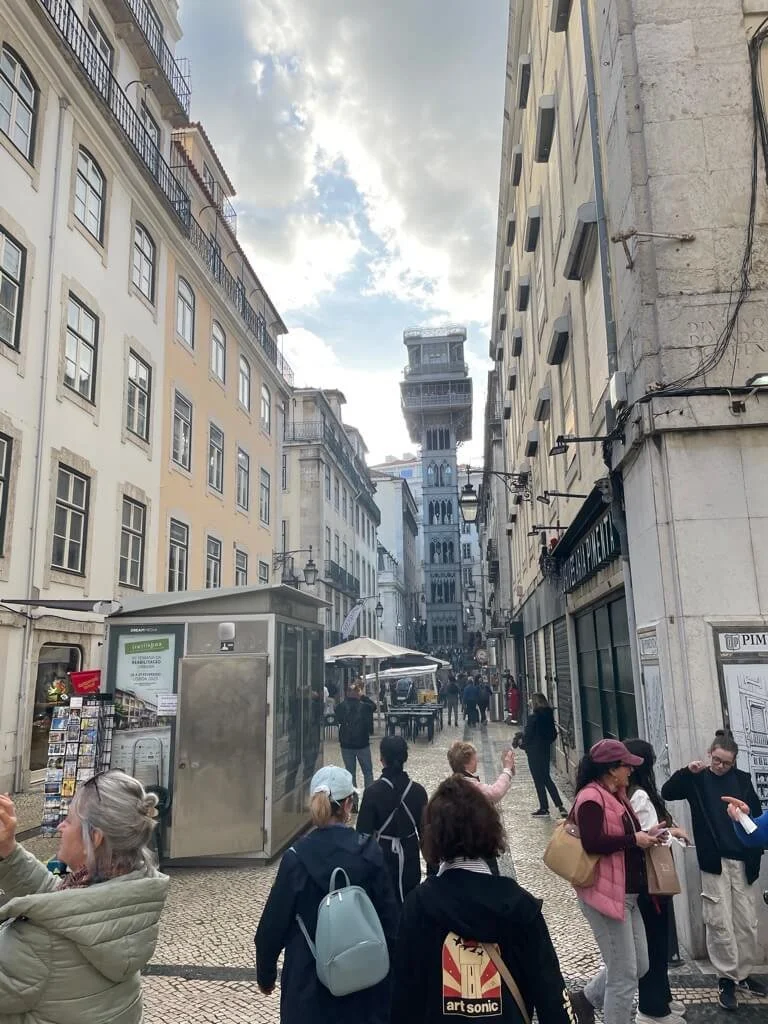
The downtown/Baixa district is nestled between the city’s two tallest hills (Lisbon is very hilly, incorporating seven hills in total) and its wide ‘grid structure’ avenues provide a distinct contrast to the narrow, cobbled streets of the historic old quarters. Stroll along the avenues named after the trades of that time - Rua do Ouro (the “Street of Gold”) for goldsmiths, Rua da Prata (“Silver Street”) for jewellers, Rua dos Sapateiros (“Shoemakers Street”).

Discover Lisbon’s historic quarters (‘bairros históricos’)
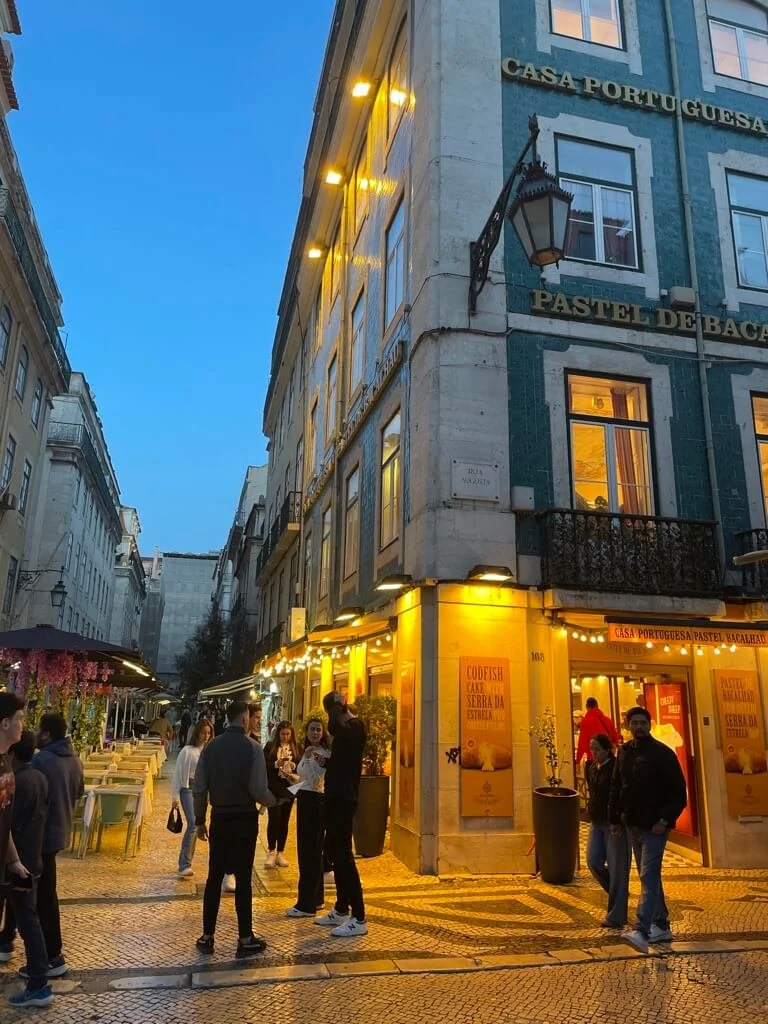
Only four neighborhoods predate Lisbon’s earthquake - the ancient Alfama and Mouraria districts, Madragoa close to the riverfront, and Bairro Alto, laid out in the early 1500s up on a hill. We suggest you spend some time wandering around these beautiful districts which have stood the test of time.
Lisbon is renowned for its 18th- and 19th-century azulejos (glazed ceramic tiles) that decorate building façades throughout the city, especially in the older historic quarters, notably Alfama - so look out for these.
One of the best tourist attractions in Lisbon is the Castelo de São Jorge - St. George’s Castle - which lies above the Alfama and Mouraria districts and dates back to the 10th/11th centuries. You can visit the ruins and the views from the castle are incredible, looking out over the Tejo estuary and central Lisbon.
The Castelo de São Jorge overlooking downtown Lisbon - Source: Winekeller
Lisbon’s waterfront and Parque das Naçōes
The Eastern side of Lisbon was once an industrial area, with not much to see, until 1998 when it was chosen as the site to host the last World Fair of the 20th century, Expo 98. Now called Parque das Nações, it is now a wonderful and cosmopolitan waterfront district, showcasing contemporary architecture, with lots of glass, steel and lush, green lawns. Wander along the scenic waterfront promenade (5 km/3 miles long), in the shadow of the incredible and iconic Vasco da Gama Bridge (the longest bridge in Europe), taking time to admire the architecture, art and sculptures and maybe enjoy a drink or a meal in one of the many excellent restaurants and bars.
The main attraction here however is the state-of-the-art Oceanarium, one of the world's most spectacular aquariums. (We have visited many times with our children and can highly recommend it for all ages!).
A suggestion is to walk along the waterfront one way and then return by cable car (Telecabine Lisboa), which runs from the Oceanarium to the Vasco da Gama Tower, offering around 10 minutes of stunning views over the area’s different attractions.
Lisbon’s cultural scene
Traditional Portuguese Fado:
Portuguese Fado, the traditional, soulful singing and guitar playing is central to Portuguese culture and a ‘World Heritage’ emblem of Portugal.
This traditional music reflects ‘the presence of absence’ and stems from the time when the Portuguese navigators would leave home for a long time. The music is very emotional, about memories certainly, but not always sad.
Fado music reflects a conversation between the singer and two guitar players. A fad is always accompanied by two guitars, the Portuguese guitar with twelve strings and the Spanish guitar with six strings.
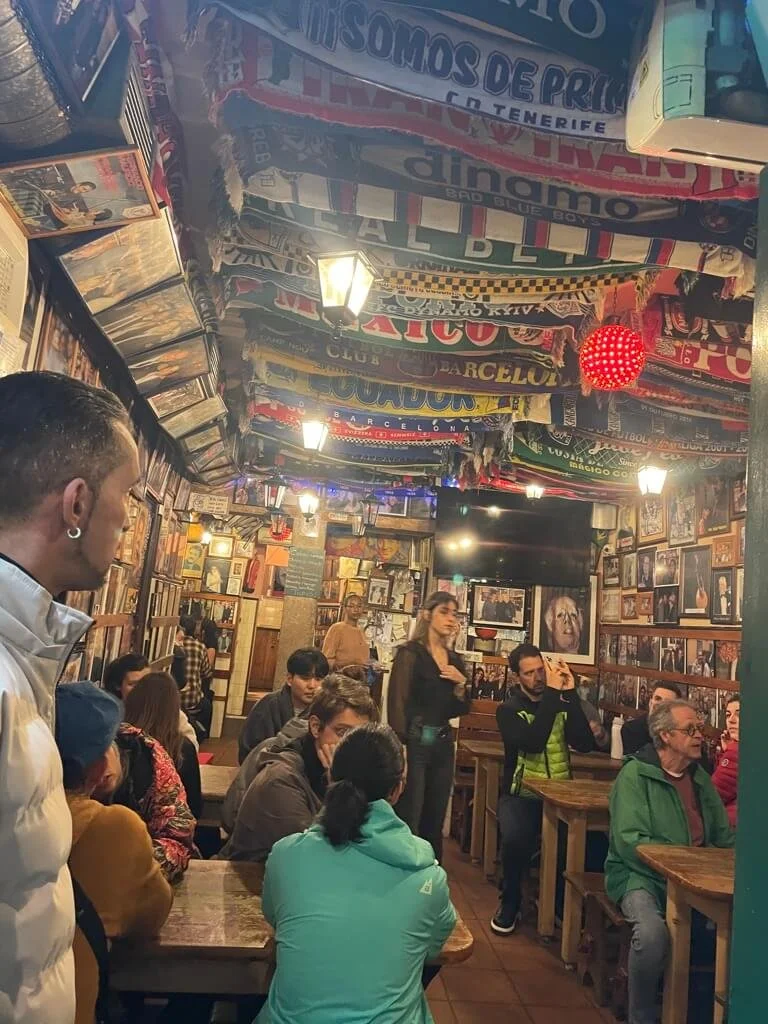
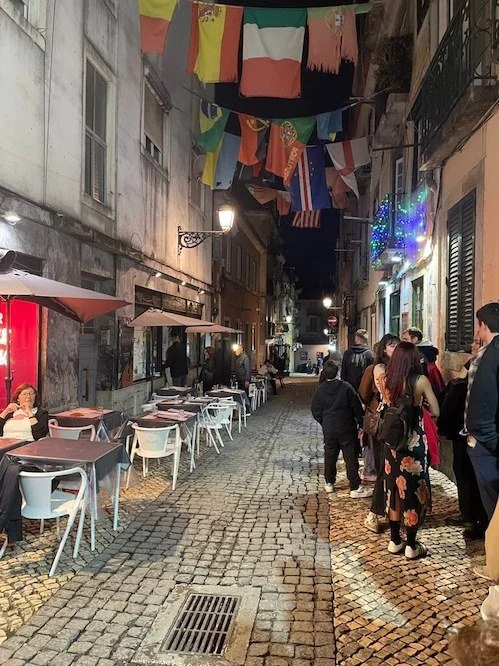
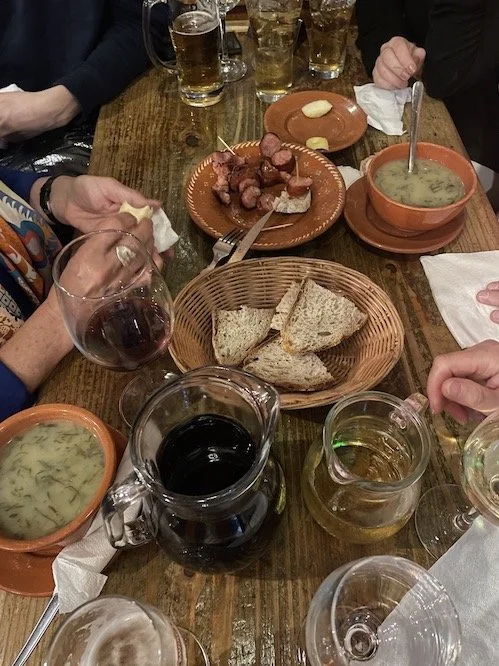
Make sure you experience Portuguese Fado - head to the historic quarters which really come to life at night - especially Bairro Alto. Expect to eat a traditional Portuguese dinner, with sausage, cheese and bread and some local wine and then sit back to enjoy the entertainment. Normally there are 3 rounds of Fado after dinner has been

Learn all about the national dish ‘Codfish’
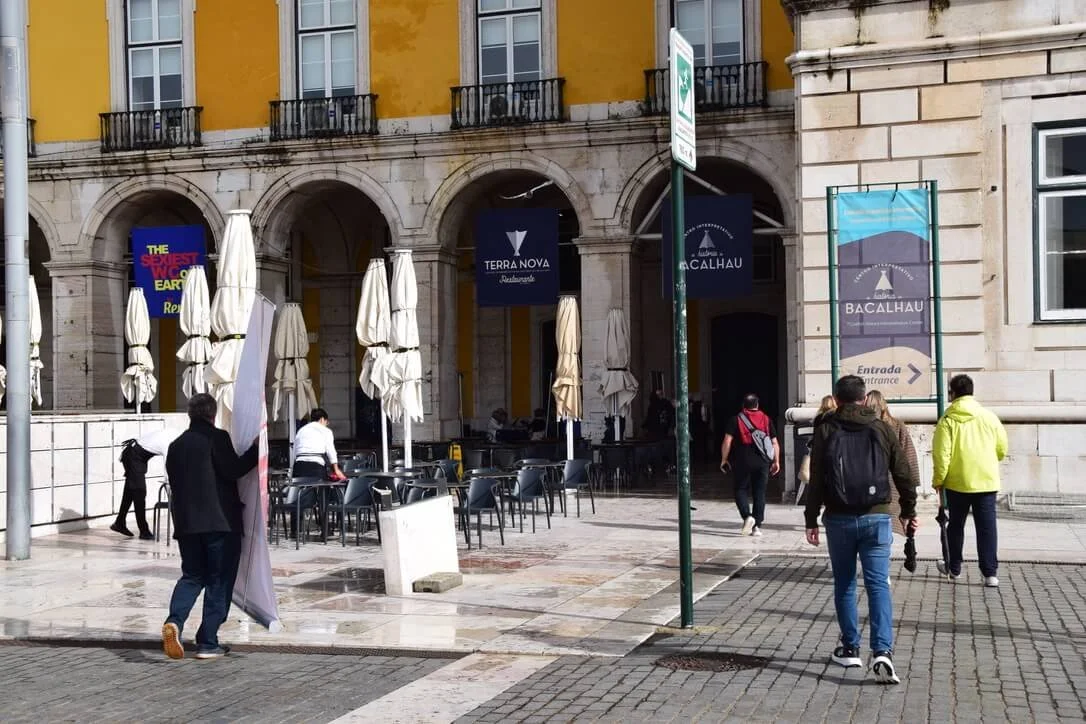
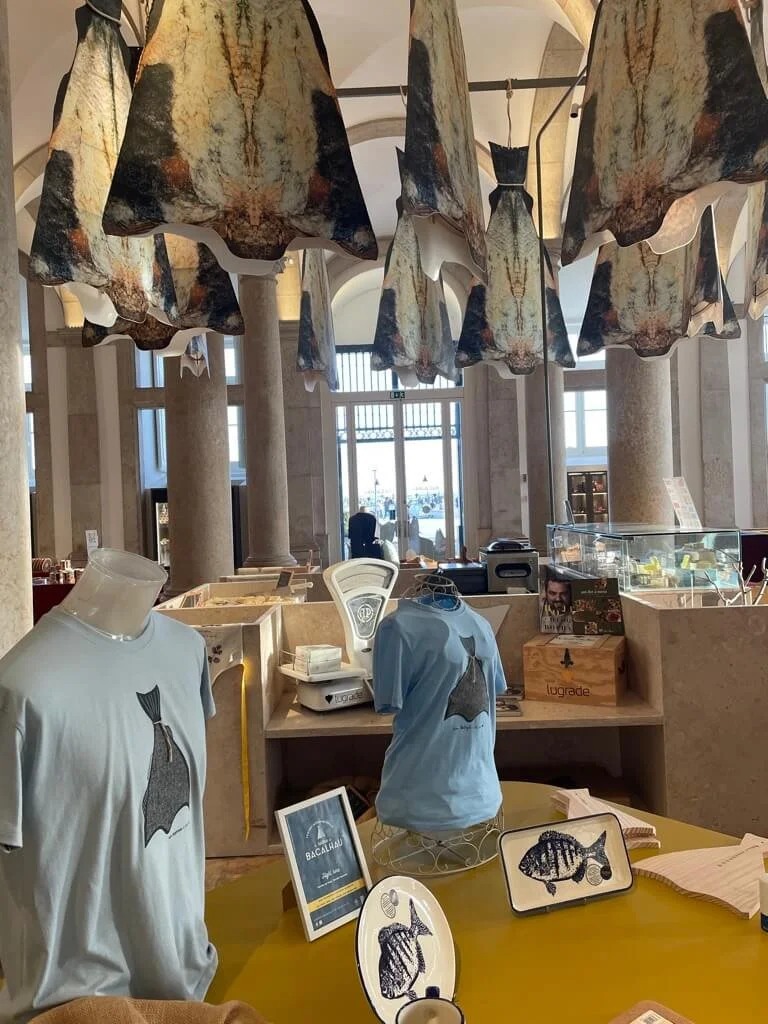
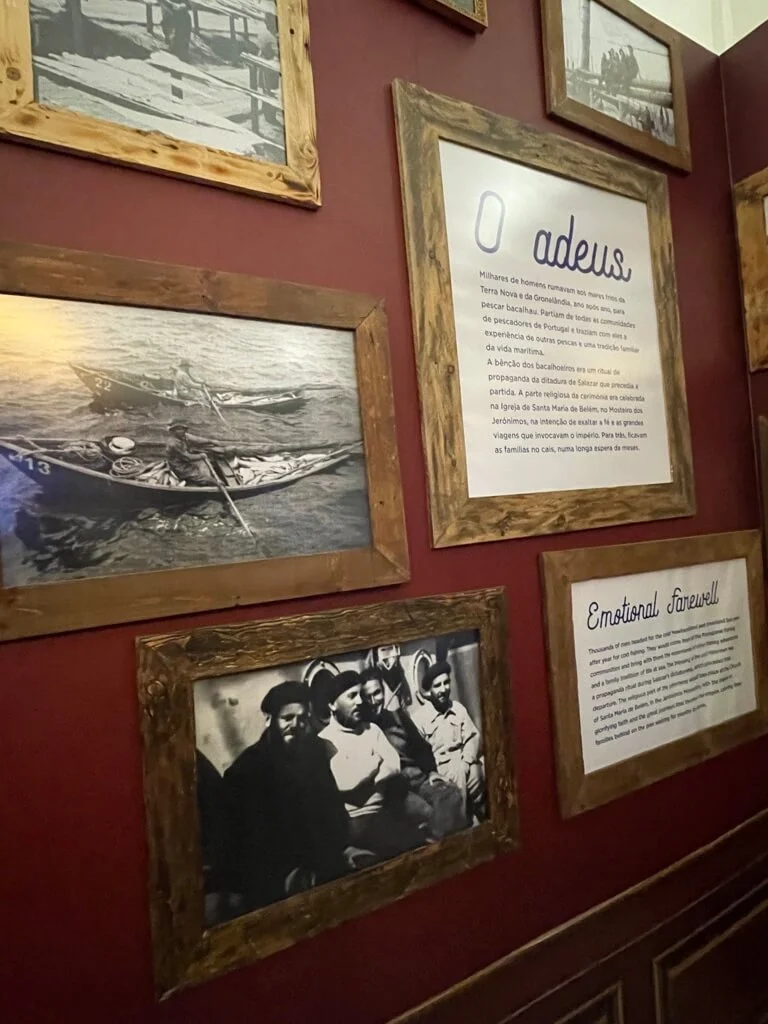
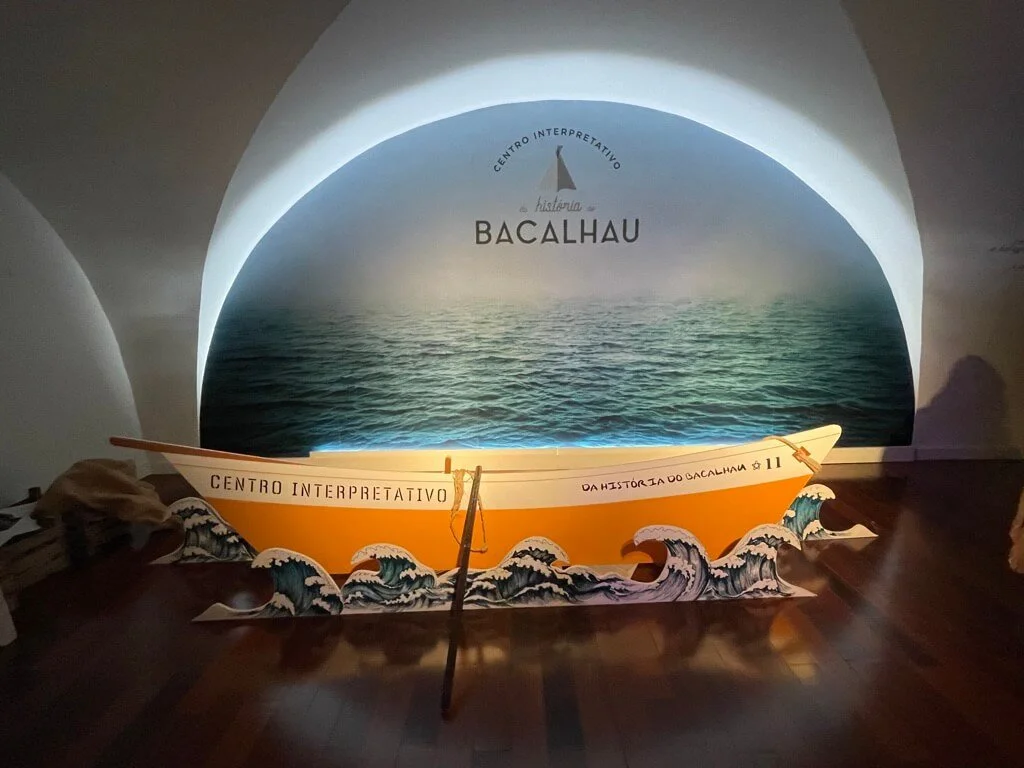
Salted, dried codfish (Bacalhau ) is the national dish - make sure you try it in a restaurant as it will certainly be on the menu! Also try to visit the Codfish History Interpretation Centre, located off the Praça do Comerçio, to learn all about the history, how the fish is preserved and how it is fished sustainably today. We can highly recommend it!
Try some traditional ‘Ginjinha’ cherry liqueur
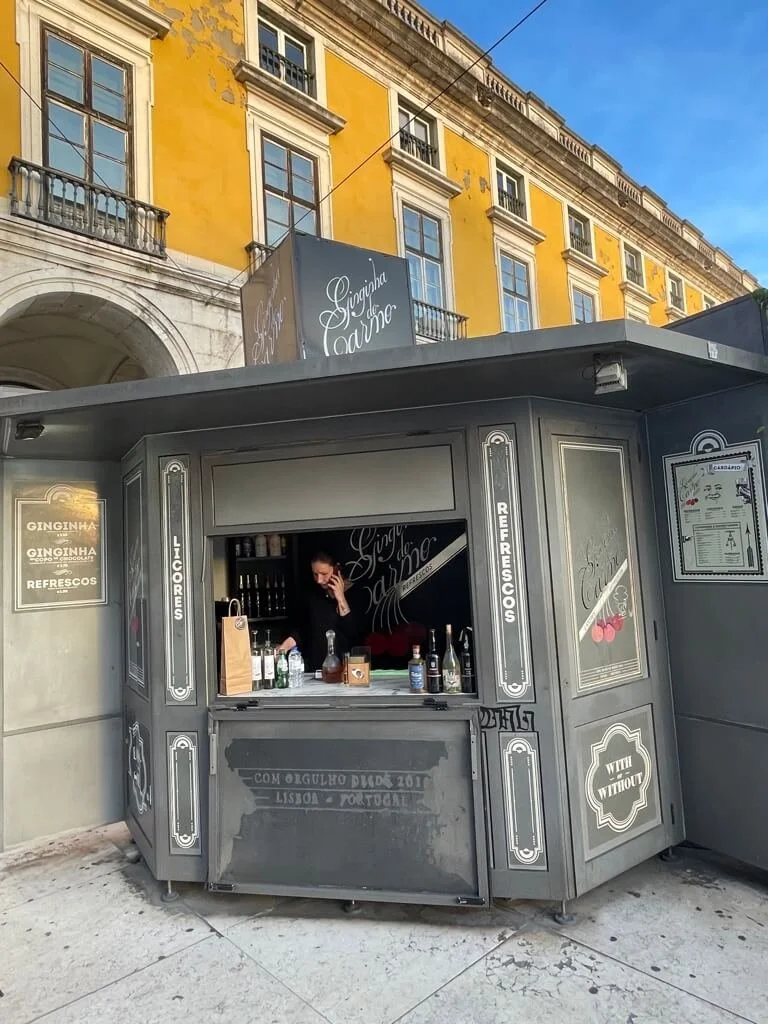
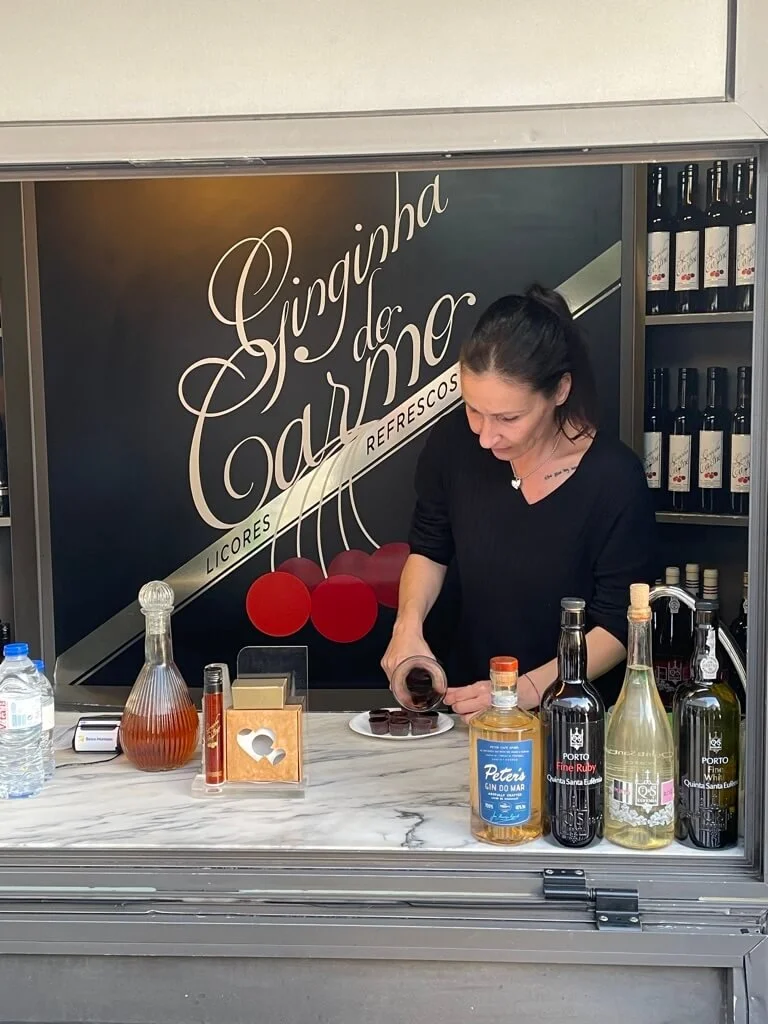
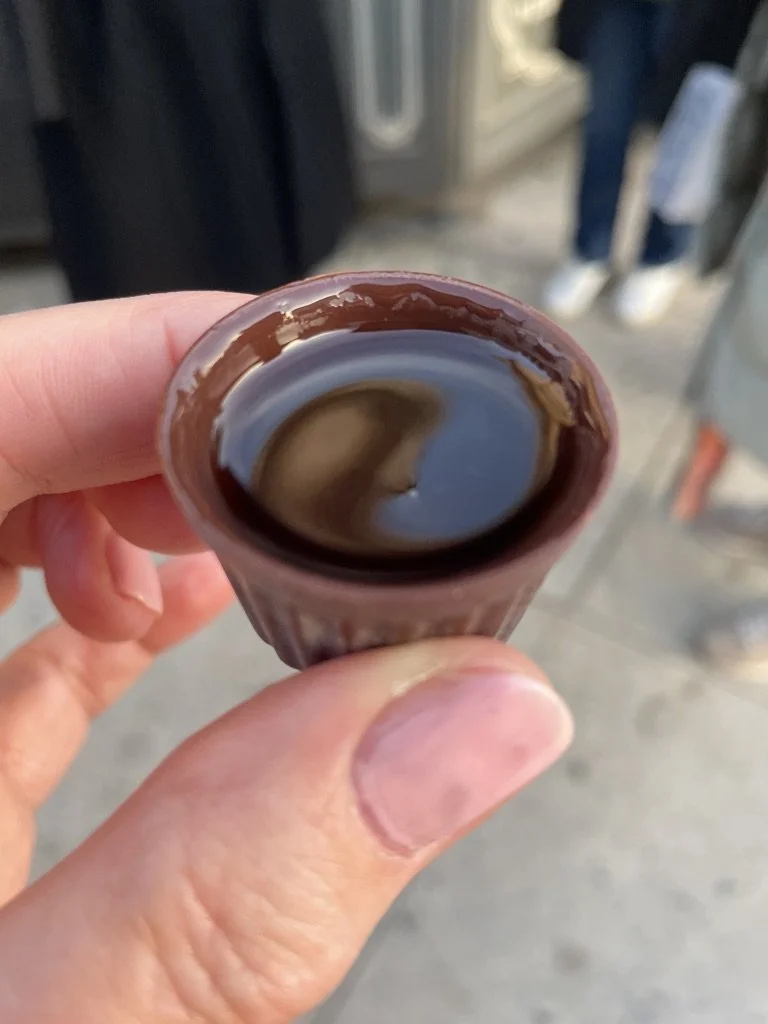
‘Ginjinha’ liqueur is a sweet, traditional Portuguese liqueur made from infusing sour cherries (ginja berries) in alcohol with sugar and spices. It is served as a shot, often in a small chocolate cup (which you eat after you’ve enjoyed the liqueur), sometimes with a cherry at the bottom. Lisbon is the traditional home of Ginjinha, so what better place to sample some! Try the popular A Ginjinha Bar just off Rossio Square, which dates back to 1840! We also enjoyed some from a small pop-up bar in Praça do Comerçio!
Enjoy a traditional Pastéis de Belém
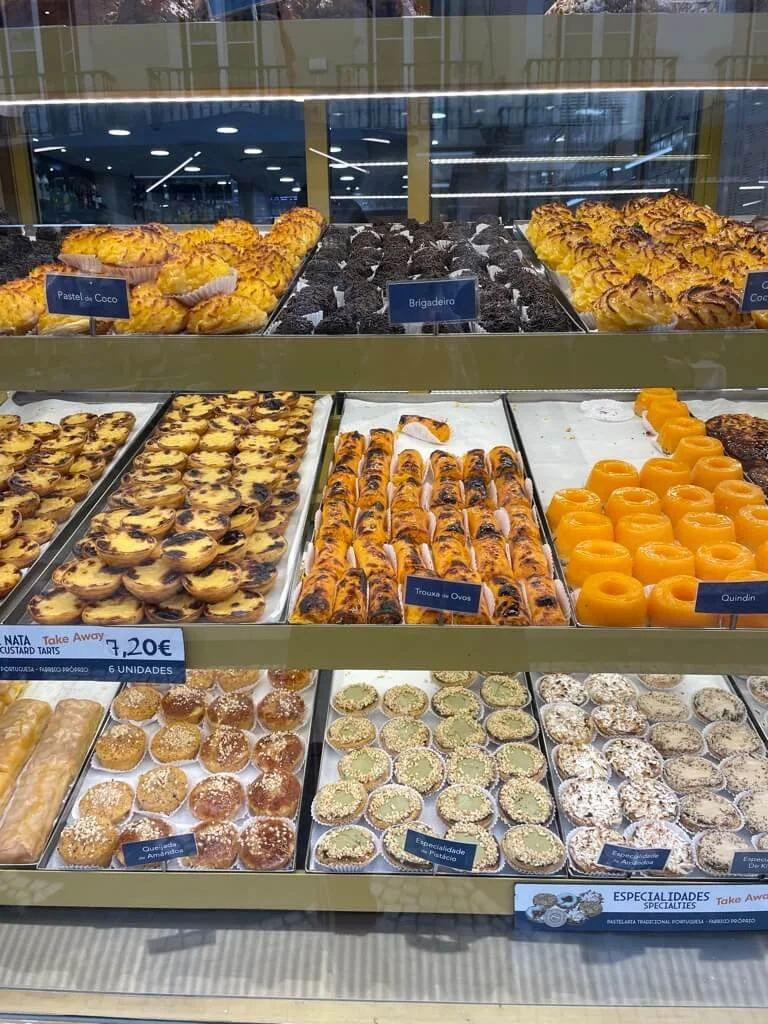
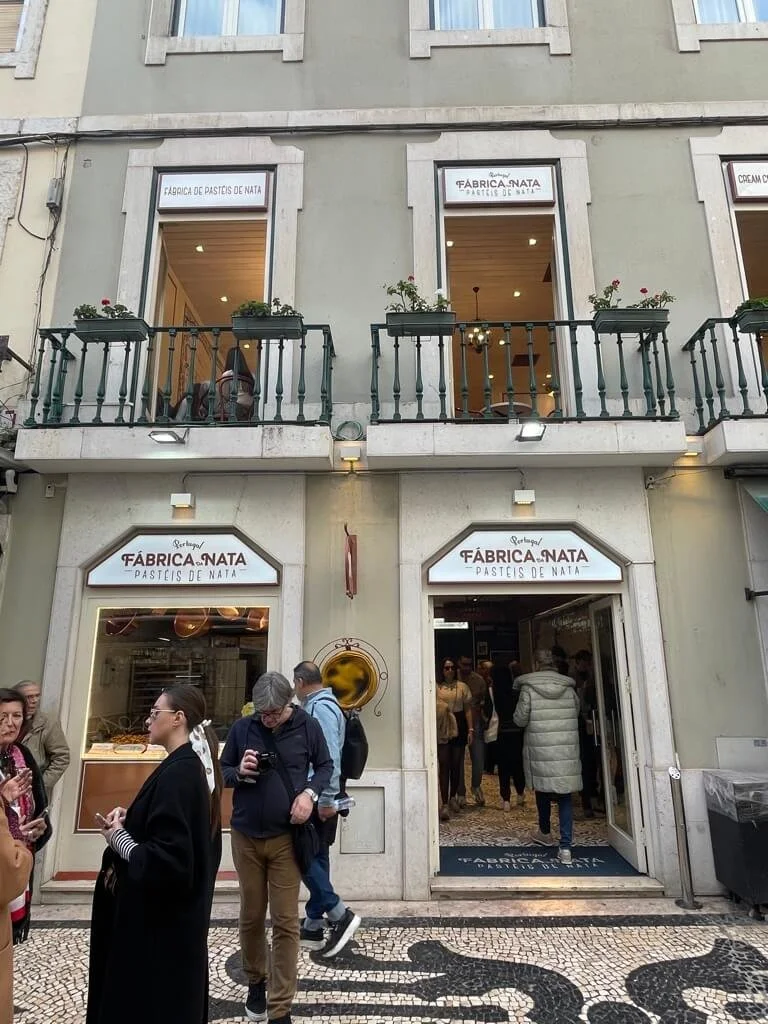
The whole world loves them so don’t miss out on enjoying the original Pastéis de Nata with a lovely Portuguese coffee! If you miss out on going to the famous patisserie in Belém, don’t worry as you will see them everywhere!

Some final pointers and recommendations
There is a lot to see and do in Lisbon, so allow 3 days if you can (then an extra day or two if possible to explore the wine regions around the city).
Is Lisbon a walkable city?
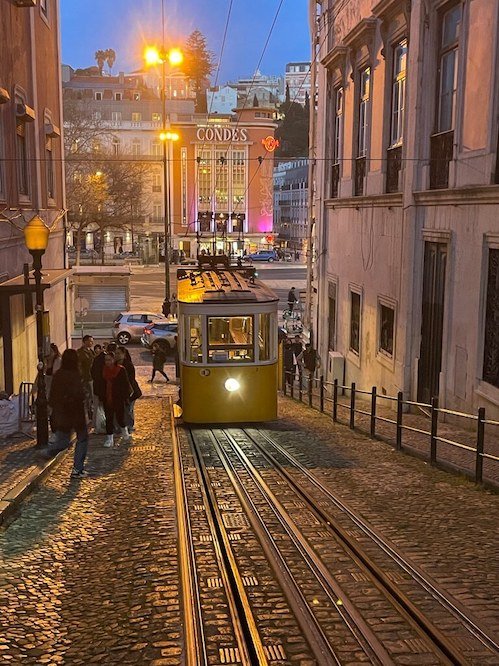
Lisbon is very hilly so we suggest you walk as much as you can, but also use the iconic yellow cable cars and the tram system.
Where to stay in Lisbon
Like any other European capital city, Lisbon is expensive, but there is lots of choice.
We suggest you search these websites:
https://www.visitlisboa.com/en
https://lisbonlisboaportugal.com/index.html
https://www.lisbonportugaltourism.com/
Conclusion
Lisbon is a magical city so do try to get it on your list and if you can manage the time, try to also do a ‘Lisbon wine tour’ and get out to the beautiful Lisboa and Setúbal wine regions which are close by and will you give you a much deeper insight into Portuguese culture, history and traditions!