Combine a Lisbon city break with a Lisbon wine tour
Explore the historic wine regions of Portugal within easy reach of the country’s vibrant capital city, Lisbon
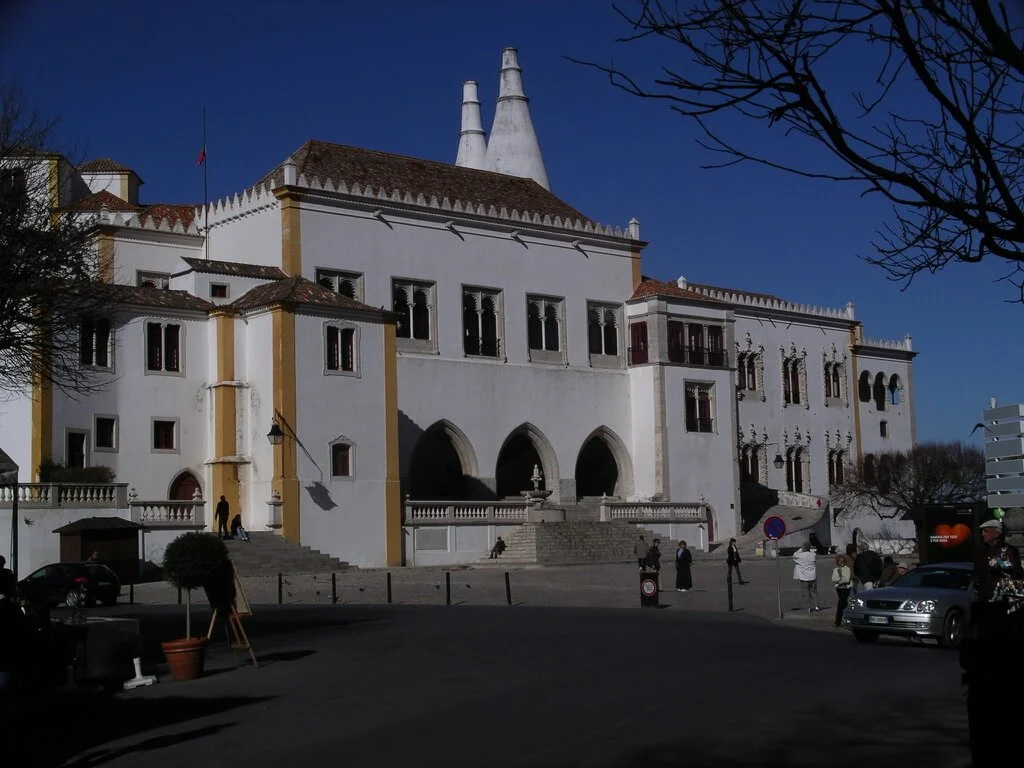
The National Palace in Sintra, close to Lisbon - Source: Winekeller
Lisbon is consistently rated as one of the best cities in the world to visit and we would certainly agree with that, but did you know that you could combine a fantastic city break here with a day trip or a few days exploring some fantastic vineyards near Lisbon, as well as beautiful and historic resorts along Portugal’s Atlantic coast?
See our recommendations of how to make the most of a visit to Lisbon, combining city, surf, culture and wine!
Also, learn more about Lisbon here!
Lisboa wine region: Source - Vinhos de Lisboa
What wine region is near Lisbon?
The Lisboa wine region stretches north and west of Lisbon, 150km along Portugal’s Atlantic coast from the mouth of the River Tejo in Lisbon, northwards up to the town of Leira and 40km inland.
Emerging as one of Europe’s most underrated wine regions, it is a land of verdant, rolling hills, known for its sandy beaches and Atlantic surf, as well as a string of elegant seaside resorts and historic, royal palaces.
There are nine separate appellations - or DOC’s - in the Lisboa wine region and the three which border with Portugal’s capital city are in very easy reach, even for just a one day trip from Lisbon and are all famous Portuguese wine regions in their own right. These three regions are Carcavelos, Colares and Bucelas - let’s look at each of these separately and what you can discover there!
The Carcavelos wine region
Carcavelos lies immediately west of Lisbon, an Atlantic coast gem just 20 minutes from the capital, where you can enjoy sandy beaches, great surf and some of the most elegant, historic resorts and sites in the whole of Portugal.
Carcavelos fortified wine
The Carcavelos wine region of Portugal has a rich winemaking legacy and is long famous for its fortified, sweet wines, however, sadly, many of its vineyards have been replaced in recent years by buildings and predictable urban sprawl. In fact only 19 hectares now remain under vine in this historic Portuguese wine region, one of the oldest appellations in Portugal, but interest in these famous ‘maritime’ wines is showing some signs of revival.
Carcavelos fortified wines are mild and based on a blend of Arinto, Galego Dourado and Ratinho grape varieties.
What to see in Carcavelos
What Carcavelos lacks in terms of vineyards today, it more than makes up with culture and elegant resorts, with many visitors drawn to this beautiful coastline, where King Luís I created his summer residence in the late 19th century.
The neighbouring cosmopolitan resorts of Cascais and Estoril lie on the ‘Portuguese Riviera’ or ‘Estoril Coast’, north of Lisbon, known for their beaches, their sophisticated charm, their elegant villas and mansions and their royal history - and they make the perfect one day trip from Lisbon or a few days respite from the city.
A fast road, a beautiful coastal road and a regular train service all lead from Lisbon to these smart commuter towns and resorts and they attract many visitors each year, keen to experience their laidback, elegant charm and the wonderfully mild climate.
Is Cascais worth visiting?
Yes, Cascais is definitely worth visiting! Once a traditional fishing resort, which developed into a fashionable summer resort in the late 19th century, today Cascais is a lively, cosmopolitan town, with superb shops and restaurants and beautiful beaches. There are four beaches in Cascais, including the most central beach, Praia da Rainha and if you love surfing or windsurfing, you can head to the beaches north of the town, around Guincho.
How long is the train from Lisbon to Cascais?
Regular trains run from Lisbon to Cascais and the scenic journey along the coast takes about 40 minutes.
Can you walk from Casacis to Estoril?
Yes, you can easily walk from Cascais to Estoril. The distance is about 2km and is a flat, pleasant walk along the coastal promenade. (You can also take a train).
Why is Estoril famous?
Estoril is a world-famous resort, similar to Cascais, sophisticated and glamorous, but known mainly for its grand hotels, casino, beautiful (Tamariz) beach and lush gardens. The prestigious Estoril Casino is the largest casino in Europe and was inaugurated in 1931, to rival the famous casino of Monte Carlo in Monaco.
It’s also known for being the inspiration for the writer Ian Fleming to create his legendary hero, James Bond and write the first James Bond novel "Casino Royale." The casino and the nearby Palácio Hotel (see below) hosted spies, wealthy business people and exiled monarchs during WW11 and as such provided an intriguing backdrop for the creation of the famous James Bond character.
Where to stay in Cascais and Estoril
See here for accommodation suggestions for Cascais and Estoril and check out the Top 10 hotels recommended hotels based on guest reviews, facilities and locations. Note that Cascais and Estoril are relatively expensive Portuguese resorts so plan your accommodation with this in mind!
Hotel Palácio Estoril
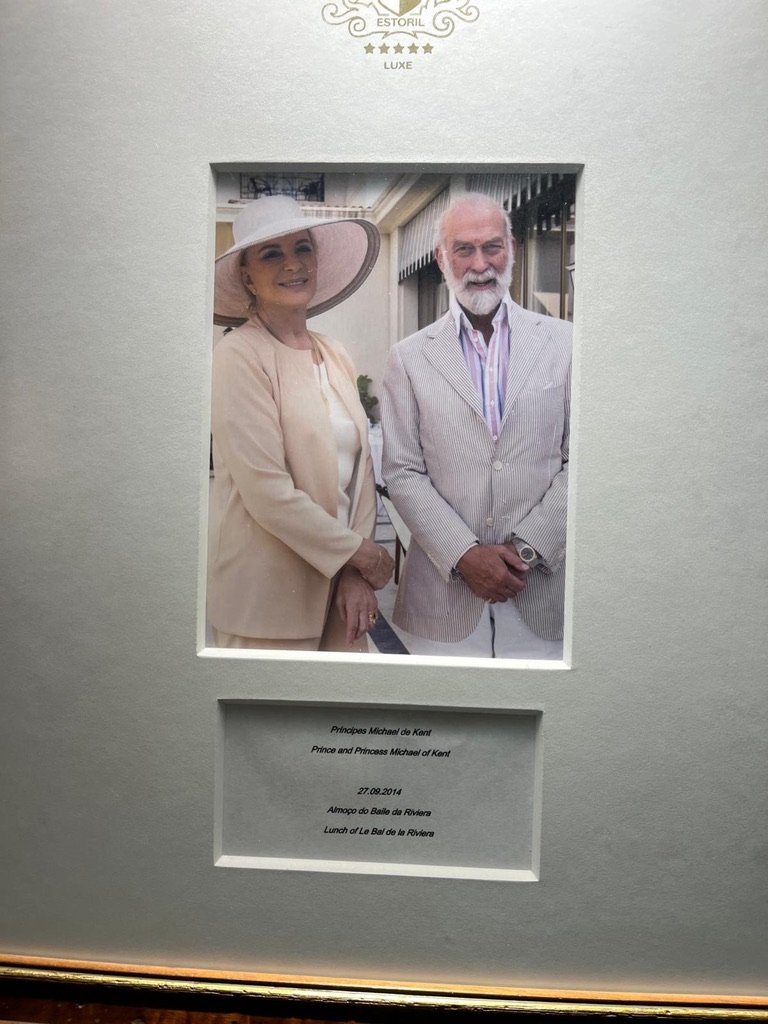
The luxurious, elegant Hotel Palácio Estoril has been an iconic Lisbon coast hotel since the 1930s, known for welcoming the rich, the famous, and spies during WWII and its famous guest, James Bond creator, Ian Fleming. The hotel was also featured in the Bond film “On Her Majesty’s Secret Service.”
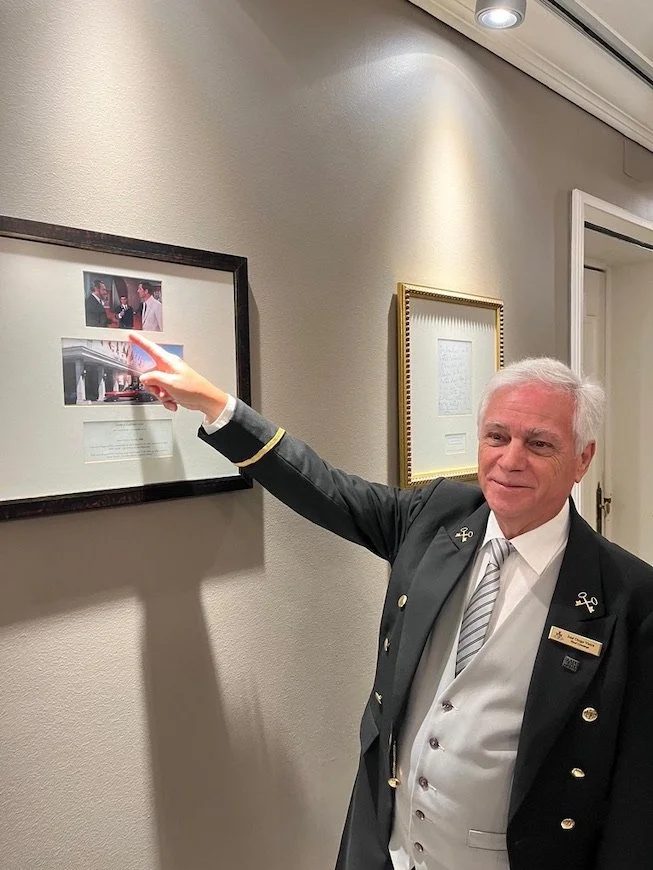

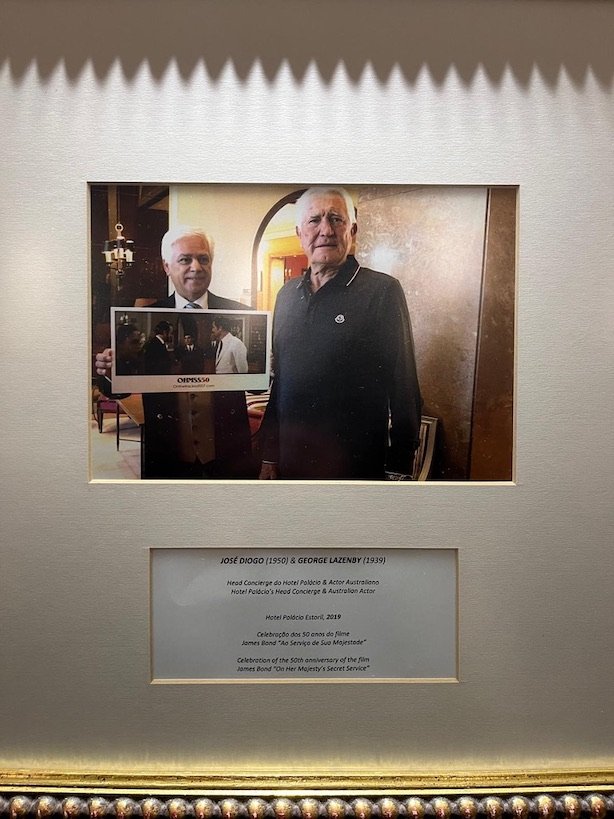
In fact you can enjoy a ‘James Bond Experience’ at the Palácio and also learn more about this famous part of the hotel’s history by chatting with head concierge, José Diogo, who has worked for the hotel for more than 60 years. José was working at the hotel at the time of the filming of “On Her Majesty’s Secret Service” and even appeared in the film as a bell-boy! See the photos above of José!
The Palácio exudes charm, glamour and sophistication and is a 5-star hotel with all of the amenities that go with this, including a luxury Thai spa, outside swimming pool and golf course. We can recommend the wonderful Grill Four Seasons at the Palácio, which is rated as one of the best restaurants in Estoril.
Hotel Evolution Cascais
The Evolution is a vibrant, modern, tech friendly and cosmopolitan ‘lifestyle’ hotel, overlooking the beautiful Bay of Cascais and offering spectacular sea views.
With excellent and flexible dining options, indoor and outdoor pools, a fabulous spa and those incredible views, Hotel Evolution is a great option for enjoying everything the Portuguese Riviera has to offer!
Local dishes to enjoy on the Estoril Coast Lisbon
Sardinhas from Cascais
When in Cascais and Estoril, expect lots of fresh fish and seafood - here are a few dishes to look out for:
Cascais claims to have the best ‘sardinhas’ (sardines) in the world - so these need to be high on your list to sample!
A popular local dish is ‘caldeirada rica de peixe’ - or fish stew - and similar fish soups.
If you like chicken, then look out for a dish called ‘frango à piri-piri’ - grilled chicken cooked in simple olive oil and chilli sauce.
For more information about Cascais and Estoril, see here.
The Colares wine region
The second historic wine region bordering the city of Lisbon is the Colares DOC, which extends around the headland from Cascais, beyond the beautiful surfing beach of Guincho, inland from Cabo da Roca, Europe’s westernmost point. Sadly, Colares has endured a similar fate to the Carcavelos DOC, whereby the meteoric rise in the price of land has driven the spread of development, leading to historic vineyards being replaced by buildings. Today just 67 hectares of vineyards remain.
Colares wine
The Colares DOC is known for its high acidity, tannic reds, with good ageing potential, produced from the Ramisco grape variety. This variety is scarcely found anywhere else in Portugal and only ten hectares of vines remain in Colares. The main white grape is Malvasia. Vines in Colares are planted deep into the sand dunes and are ungrafted.
A good place to sample the wines of Colares is Adega Viúva Gomes in the village of Almoçageme, founded in 1808 and one of the three original wineries of the region.
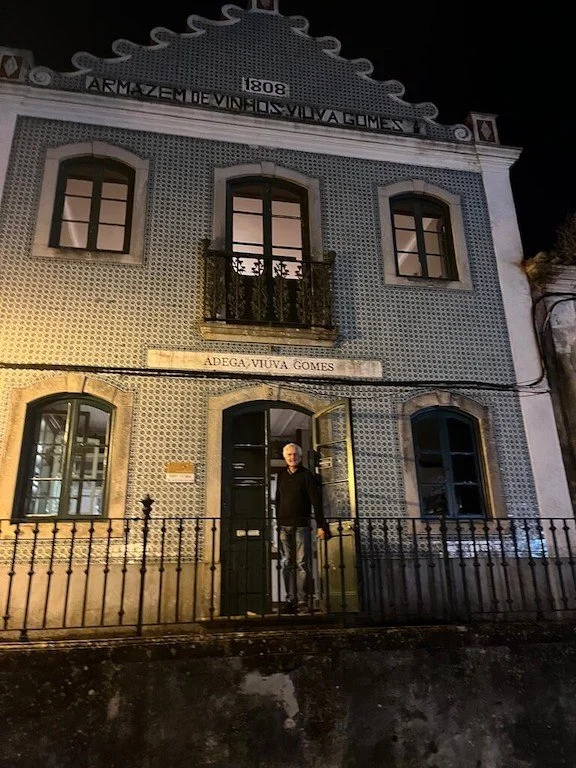
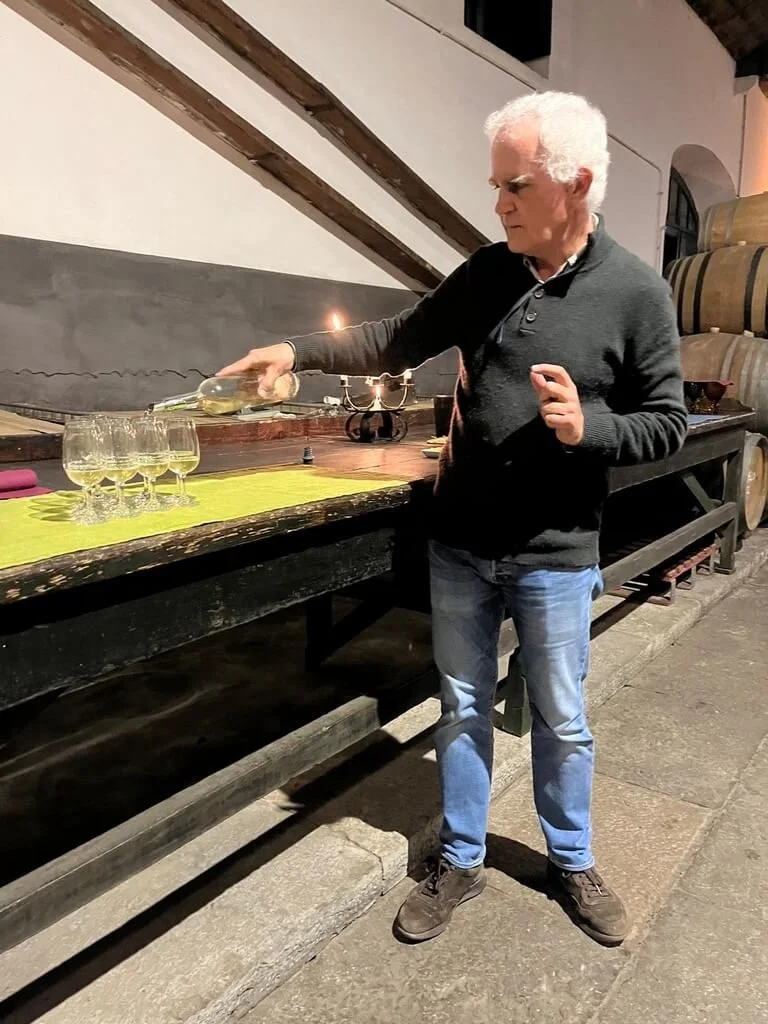
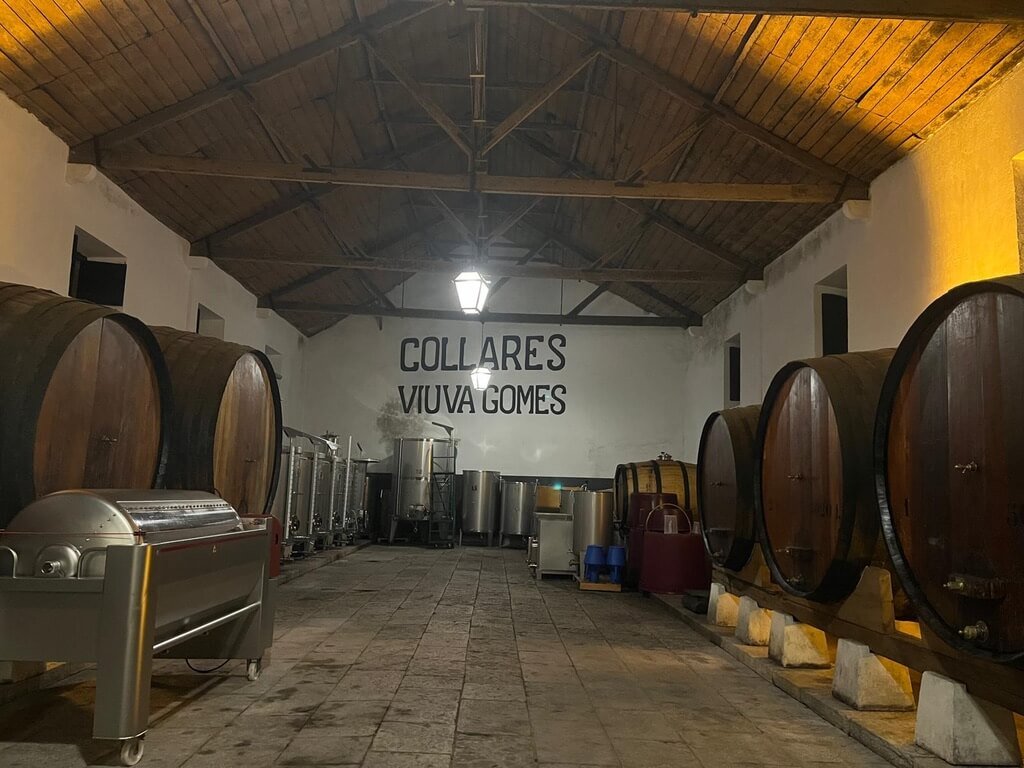
Viúva' Gomes is regarded as a pillar of the region's winemaking identity and today still follows the ancestral practices of winemaking and natural viticulture. There are many old vintages to be enjoyed here as well as more recent wines made from grapes grown the traditional way in these special sand and clay vineyards.
If you are visiting the Colares wine region, there are two main sights you don’t want to miss, Cabo da Roca and the beautiful town of Sintra…
What is Cabo da Roca famous for?
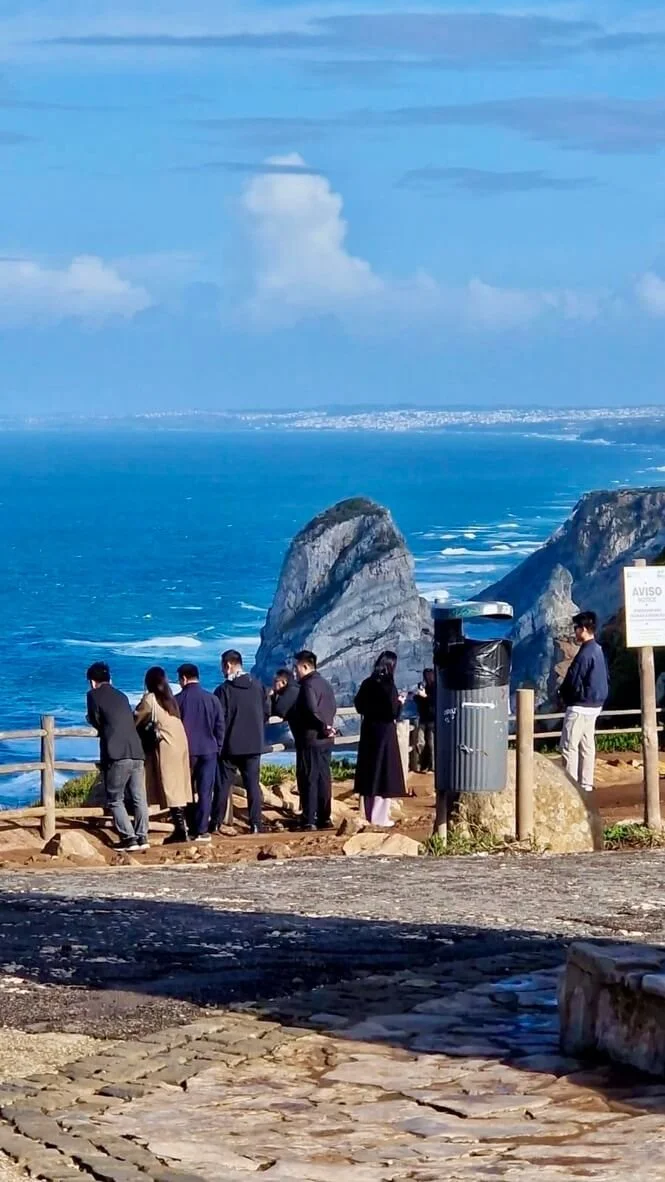
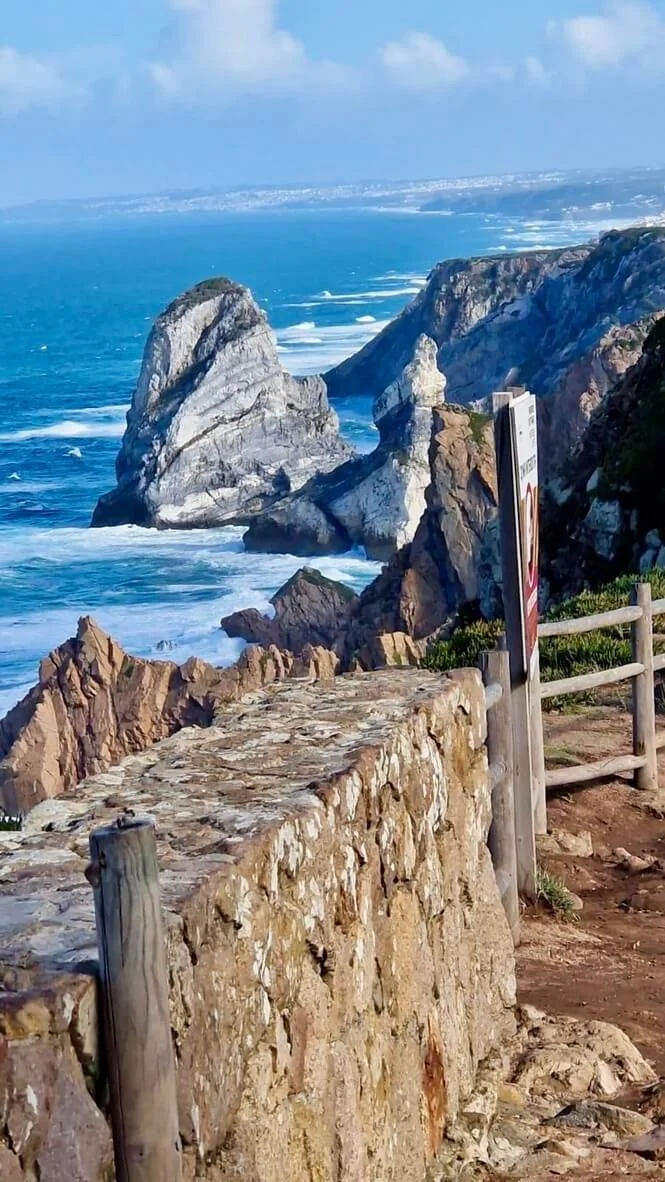
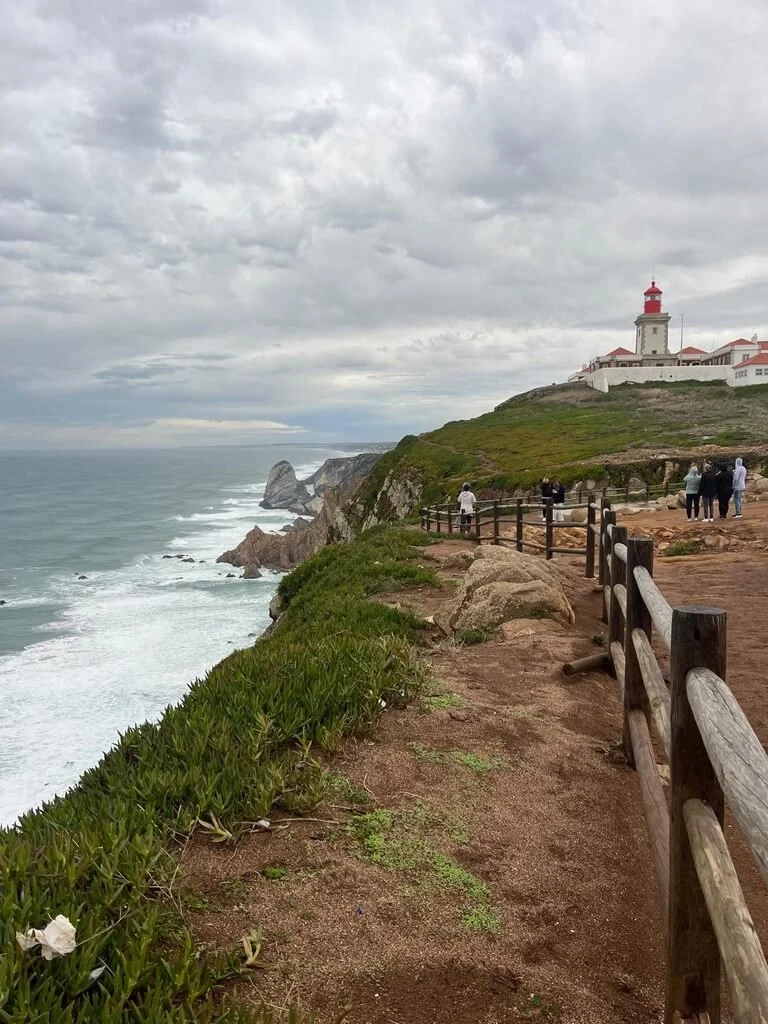
Cabo da Roca is continental Europe’s westernmost point and one of Portugal’s most iconic landmarks - a dramatic headland, with sweeping cliffs, panoramic ocean views and a historic lighthouse.
Here you can enjoy panoramic views over the Atlantic coast and the Sintra mountains and access superb walking and hiking trails.
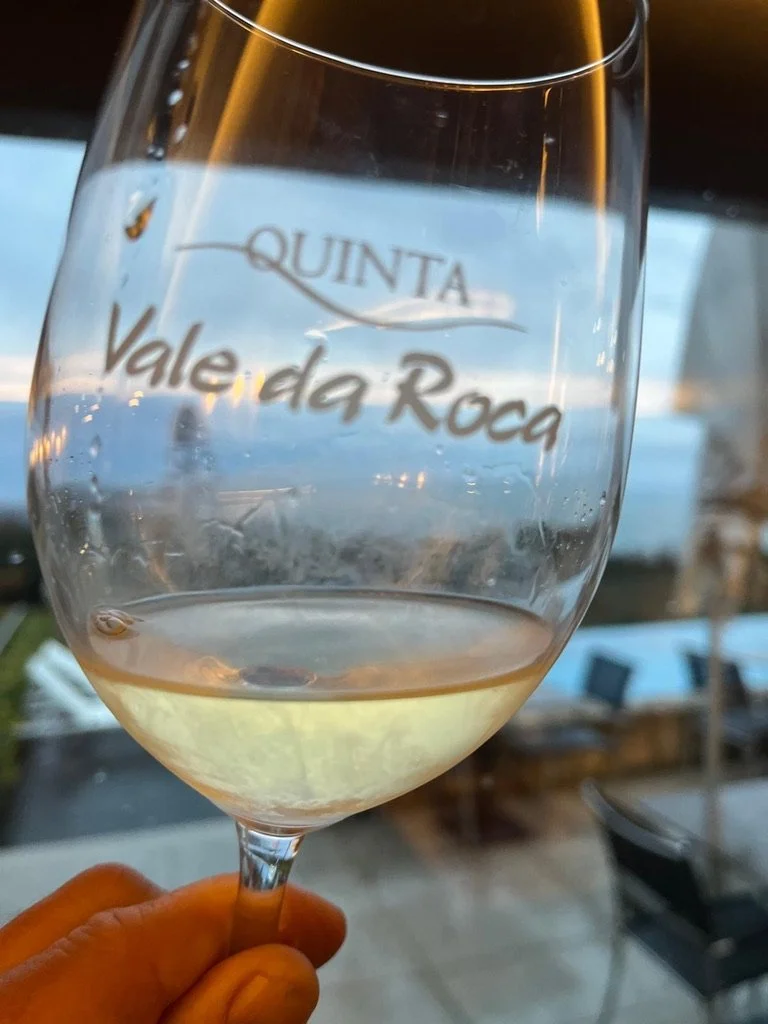
Quinta Vale da Roca
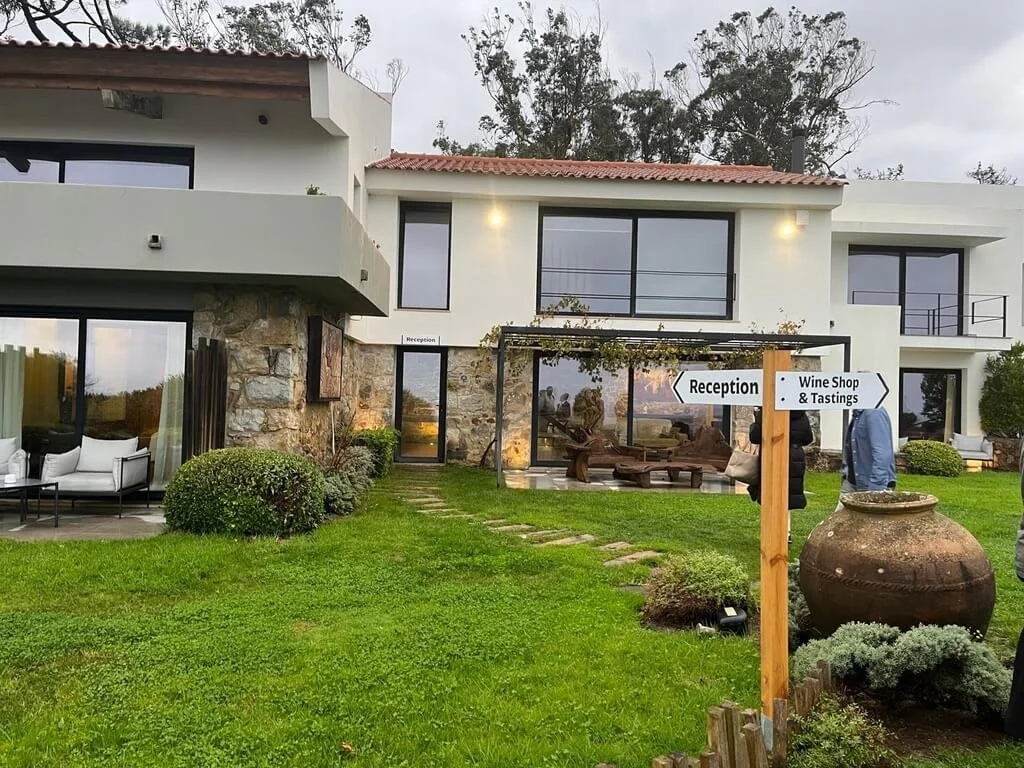
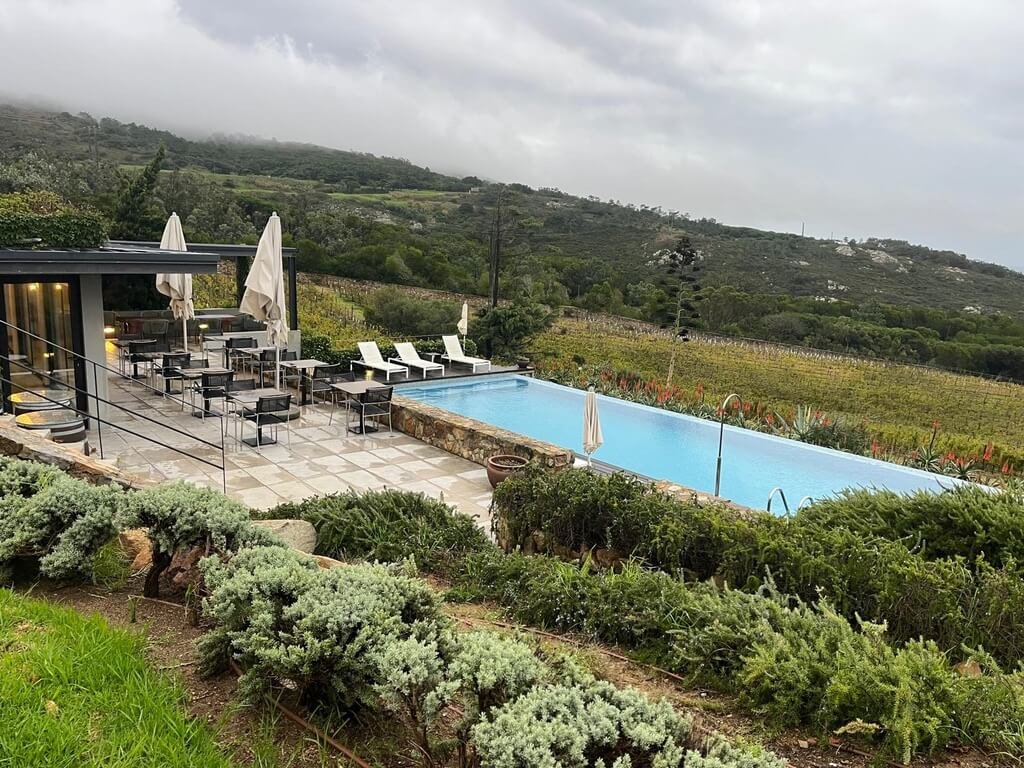
We can highly recommend combining a visit to Cabo da Roca and the surrounding coastline, with either just a wine tasting or a stay at the beautiful Quinta Vale da Roca, located just minutes away from the dramatic cliffs - and less than an hour away from Lisbon.
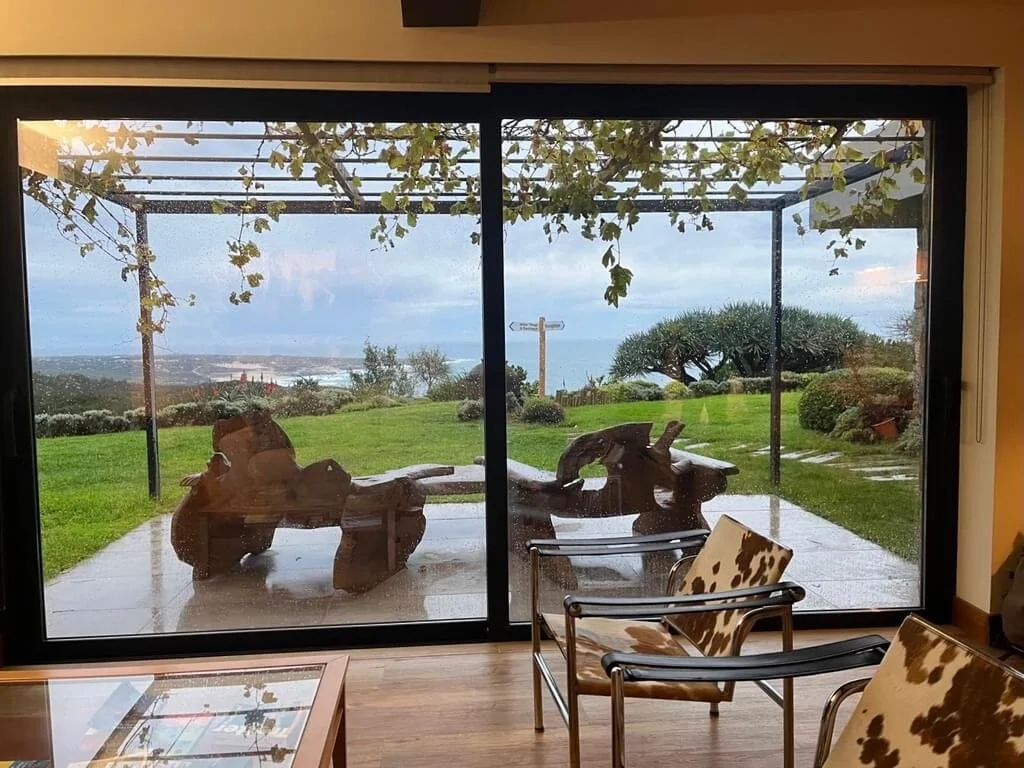
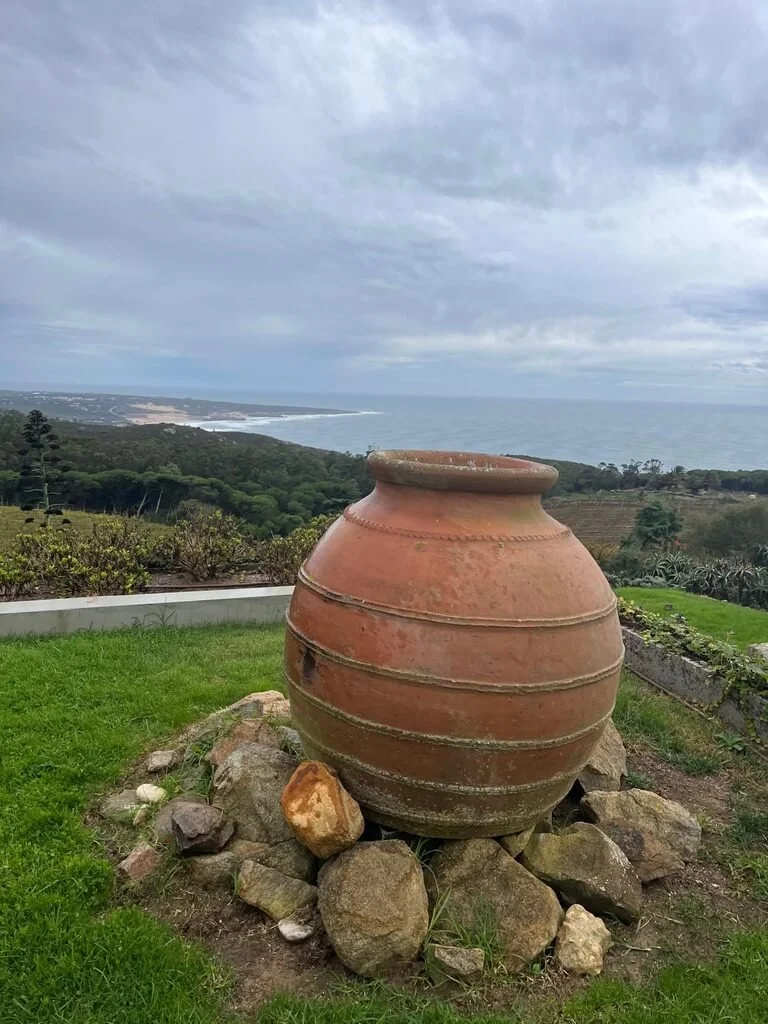
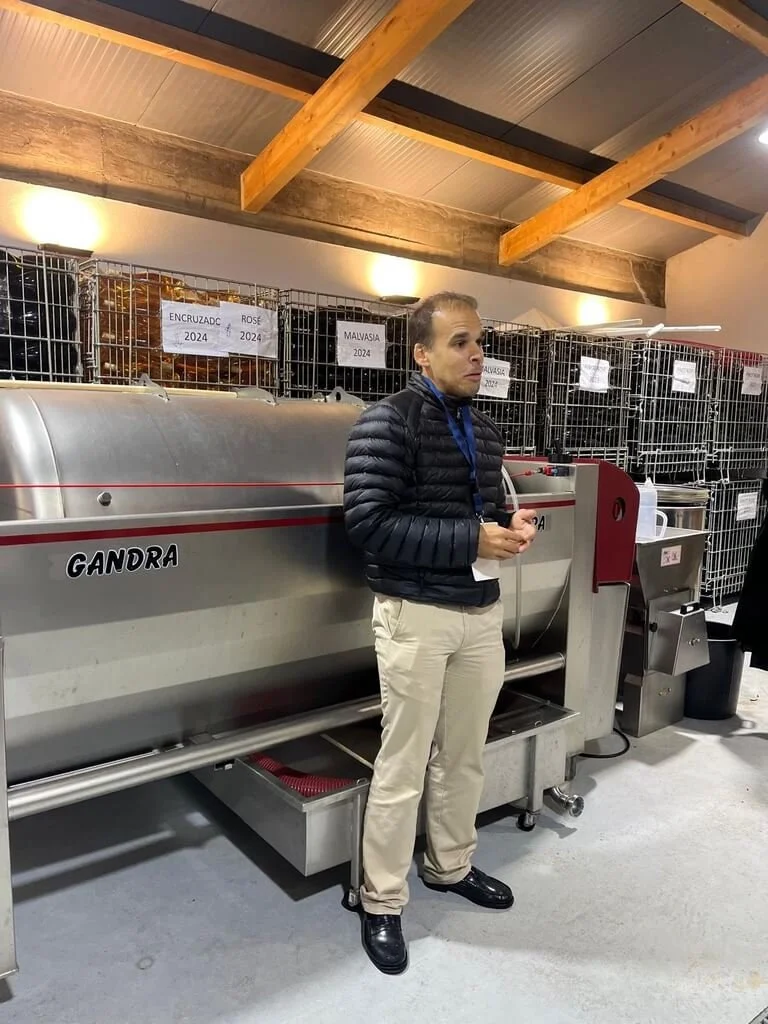
With stunning views over the Atlantic coastline and the Sintra mountains, located at the gateway to the Sintra-Cascais Natural Park, Quinta Vale da Roca offers the ultimate wine tourism experience, with the opportunity to taste some local, authentic Colares wines.
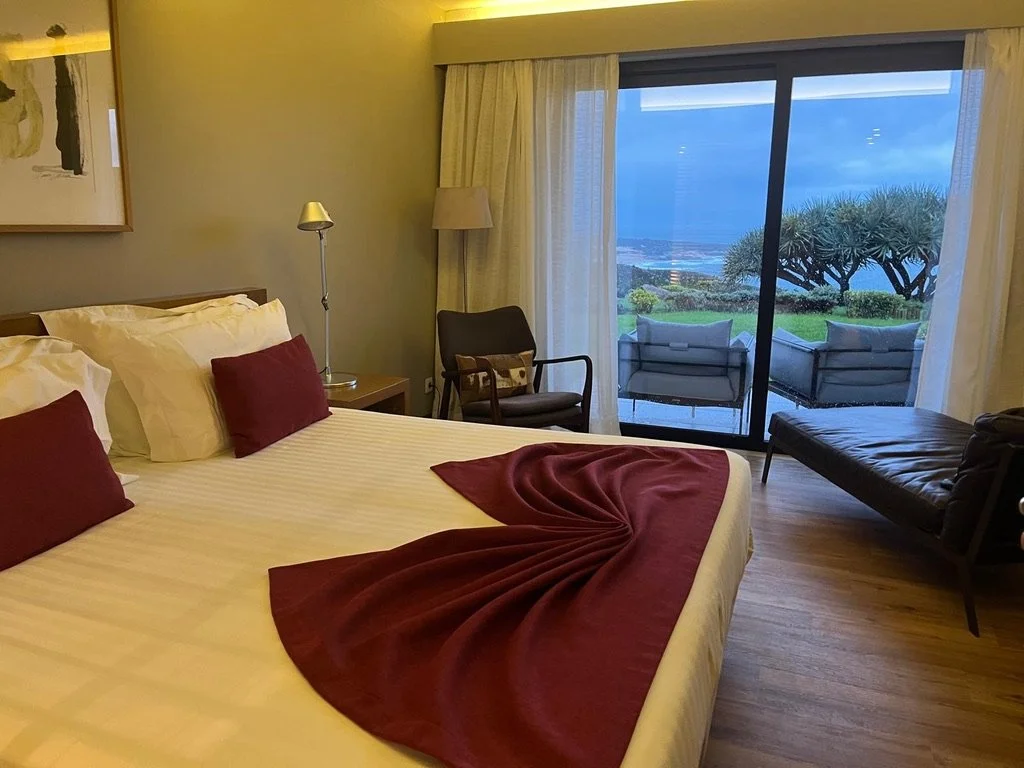
In terms of accommodation, there is a choice of seven rooms (each named after a grape variety grown here) and a ‘Panorama’ apartment and you can also enjoy the superb amenities here, including a small spa with a treatment room, a gym and an outdoor pool.
The weather wasn’t particularly great when we visited but we were blown away by the location of Quinta Vale da Roca and can highly recommend it as a great base to spend a couple of nights outside of Lisbon, exploring the Portuguese Riviera, the Sintra-Cascais Natural Park and the Colares wine region.
Visit Sintra - What is Sintra famous for?
Sintra is a UNESCO World Heritage site located in the foothills of the Sintra mountains, celebrated for its historic, fairytale palaces and romantic gardens. In the 19th century Sintra became the first centre of European Romantic architecture, with fine dwellings and beautiful parks and gardens influencing the development of landscape architecture throughout Europe.
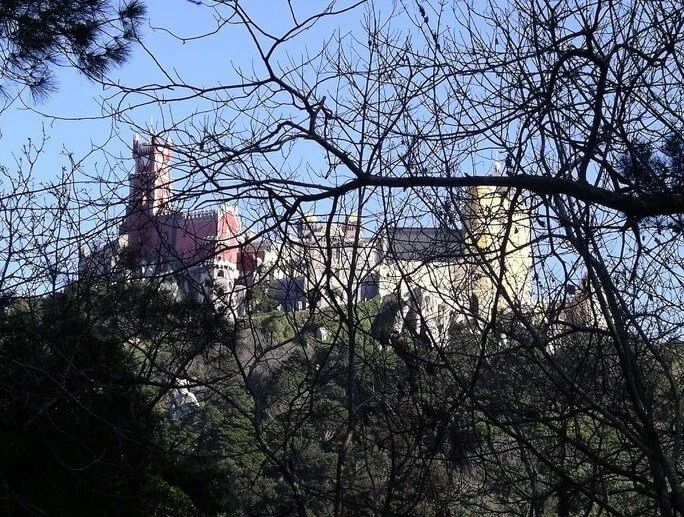
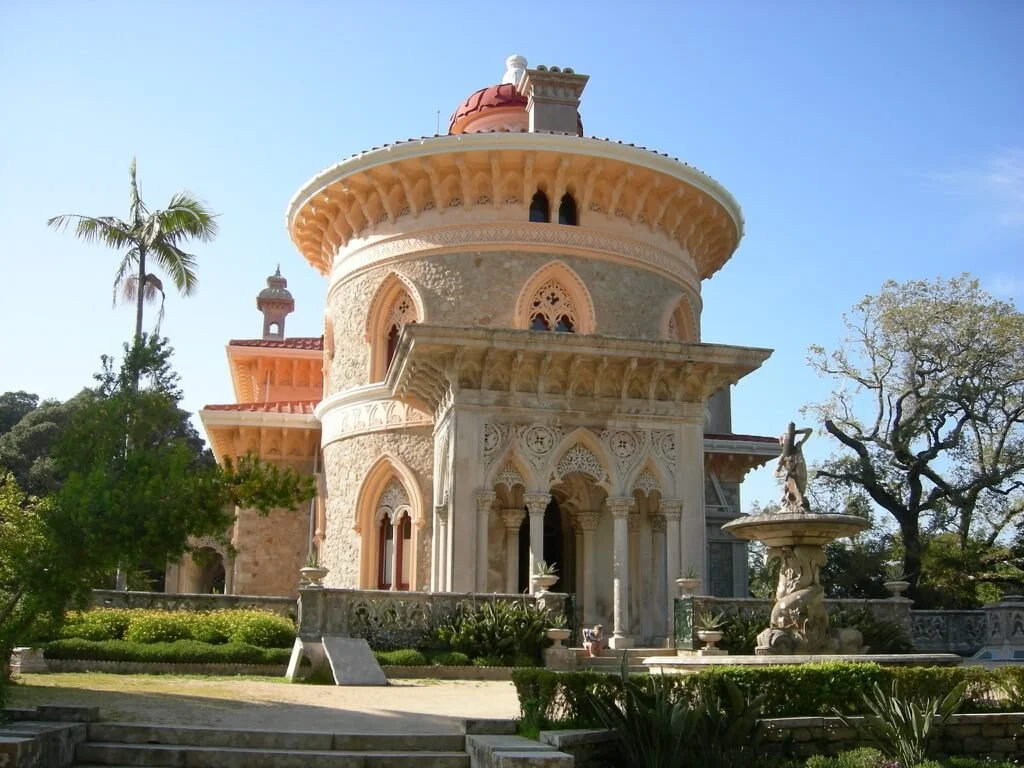
The beginnings of Sintra as we know it today date back to the 12th century, when Dom Afonso Henriques, the first King of Portugal, captured the Moorish Castle here (now a ruin overlooking Sintra). The building of royal summer palaces followed over the centuries, including the National Palace of Sintra with its distinctive two conical chimneys, the spectacular Pena Palace, a small personal palace celebrating romanticism and the Indian inspired Palace of Monserrate, famous for its beautiful gardens.
Things to do in Sintra
There is a lot to see in Sintra and you need to allow at least half a day to visit, especially during busy times. The Pena Palace is always particularly busy so make sure to leave lots of time.
Here is an itinerary for discovering Sintra in one day.
What is the best time to visit Sintra?
As mentioned above, Sintra is an extremely popular destination, so we would advise visiting during April-June and September-October for pleasant weather and to avoid the large crowds.
For more information about visiting Sintra, see here.
The Bucelas wine region
The historic Bucelas wine region lies inland just 25km north of Lisbon, in the municipality of Loures and is known as the ‘Arinto’ region, named after the white grape variety that grows prominently here. The demarcated wine region of Bucelas was created in 1911.
Bucelas wine
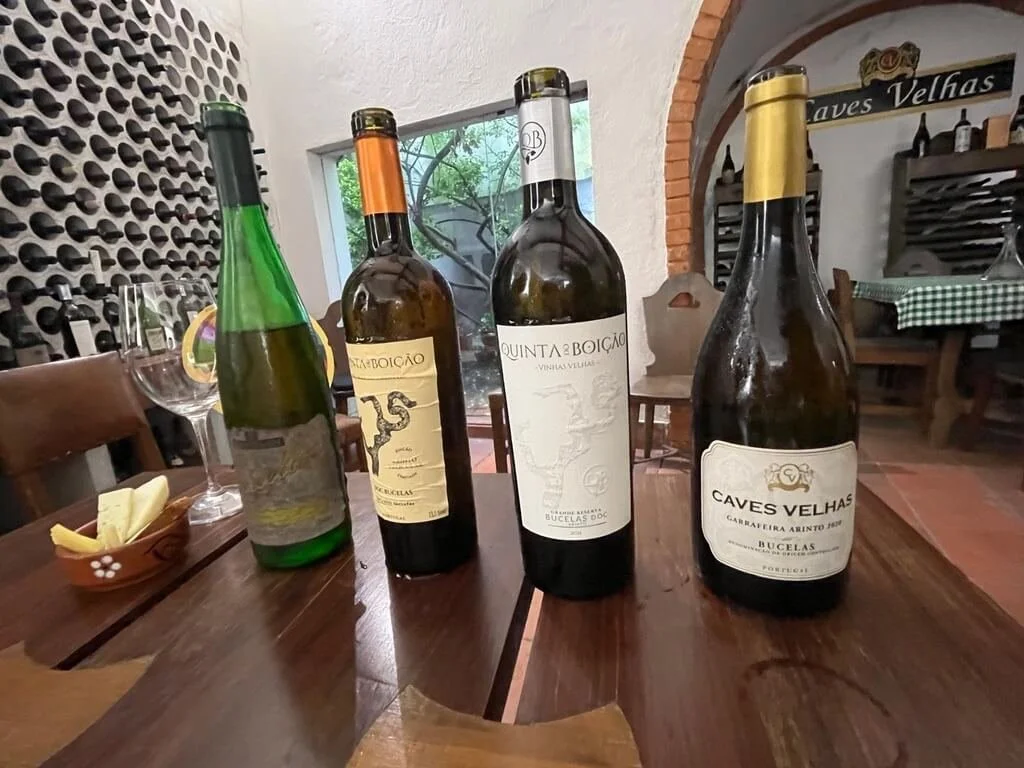
The Bucelas wine region thrives in the production of some of Portugal’s best white wines, both still and sparkling, made primarily from the Arinto grape. Bucelas is the natural home of the Arinto grape, which is considered to be the Queen of the Lisboa wine region’s white grape varieties, producing high quality wines that reflect the original terroir.
Bucelas wine has a crisp, dry, mineral character that can be enjoyed when first bottled or after two or three years of bottle ageing.
Visit Caves Velhas
Caves Velhas is owned by the Enoport Group, which owns multiple wine brands, farms, vineyards and winemaking cellars across Portugal. It is also dedicated to wine tourism and the promotion of Portugal’s incredible wine heritage.
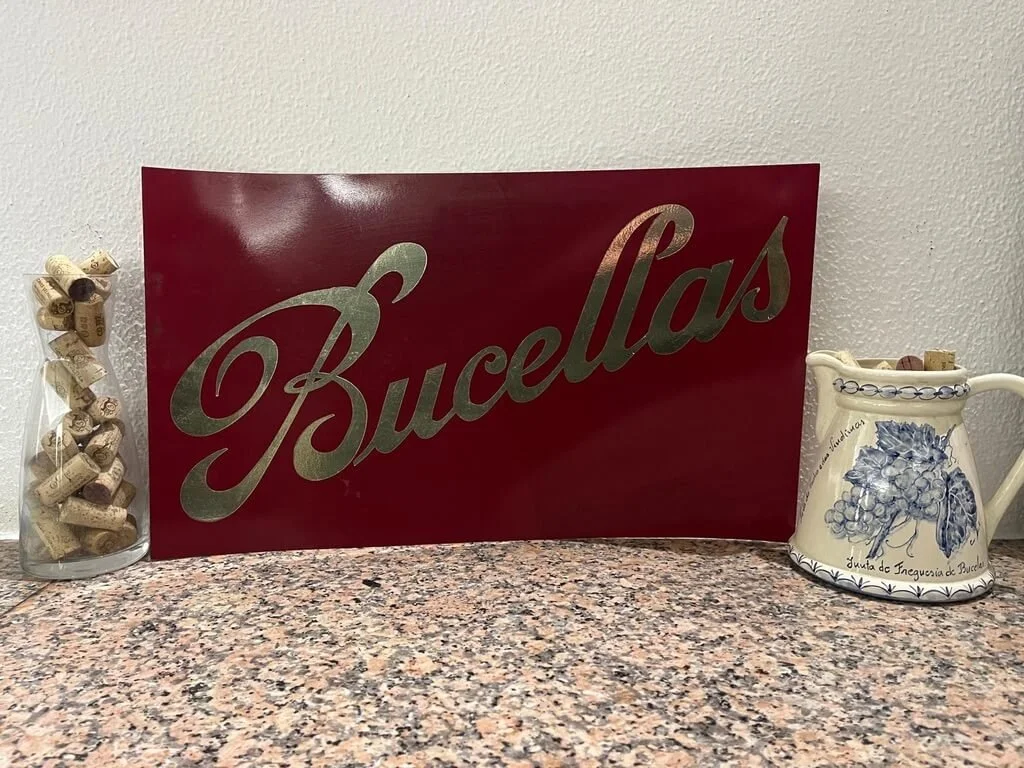
Caves Velhas is a symbol of winemaking tradition and quality wines, not just in the Bucelas region, but across Portugal. The brand was first founded and registered in 1939 by João Júlio Camilo Alves, grandson of the original founder, João Camillo Alves of ‘Adegas Camillo Alves’ and from 1940 onwards the brand became synonymous with the Bucelas region (originally spelt ‘Bucellas’).
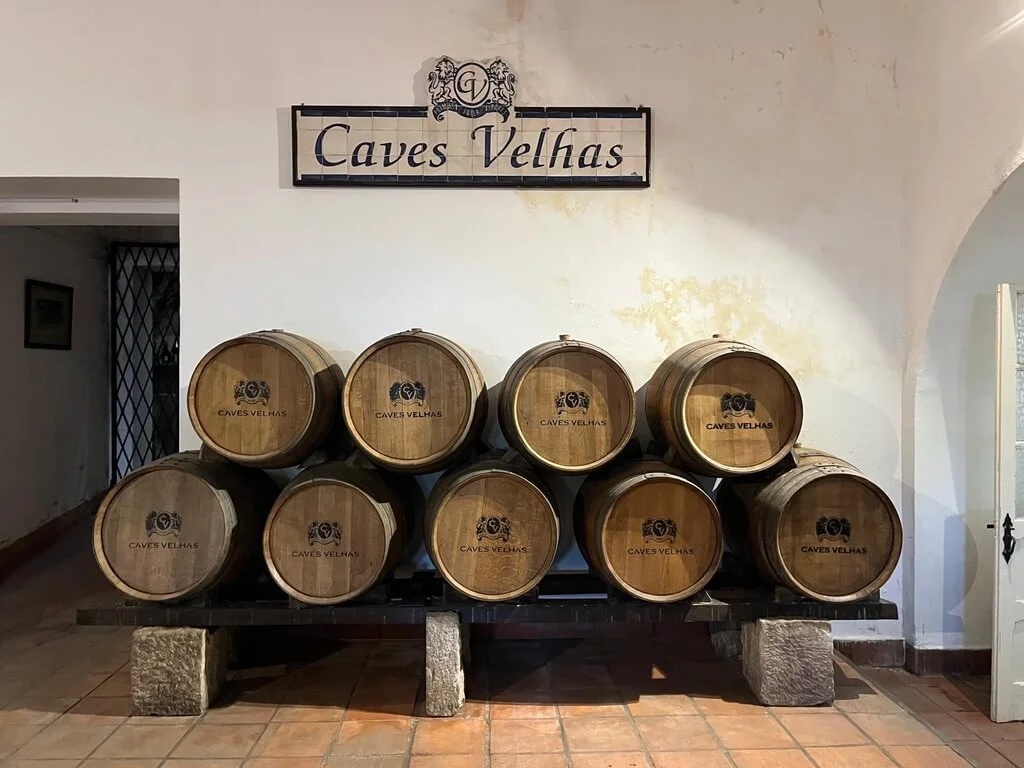
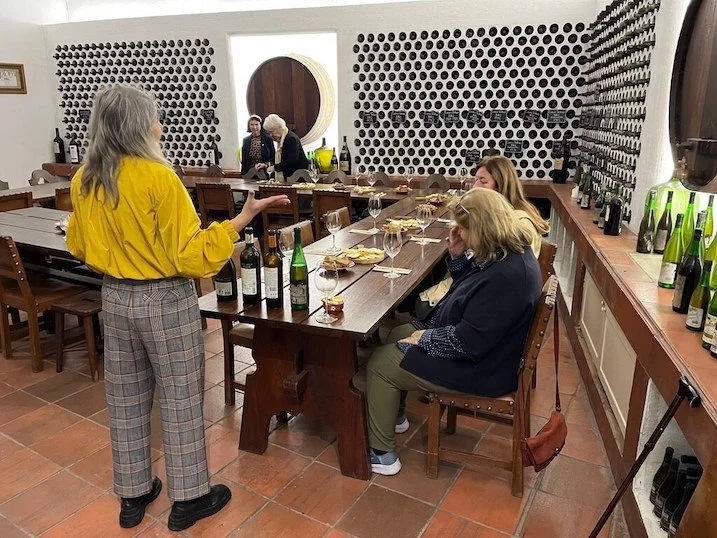
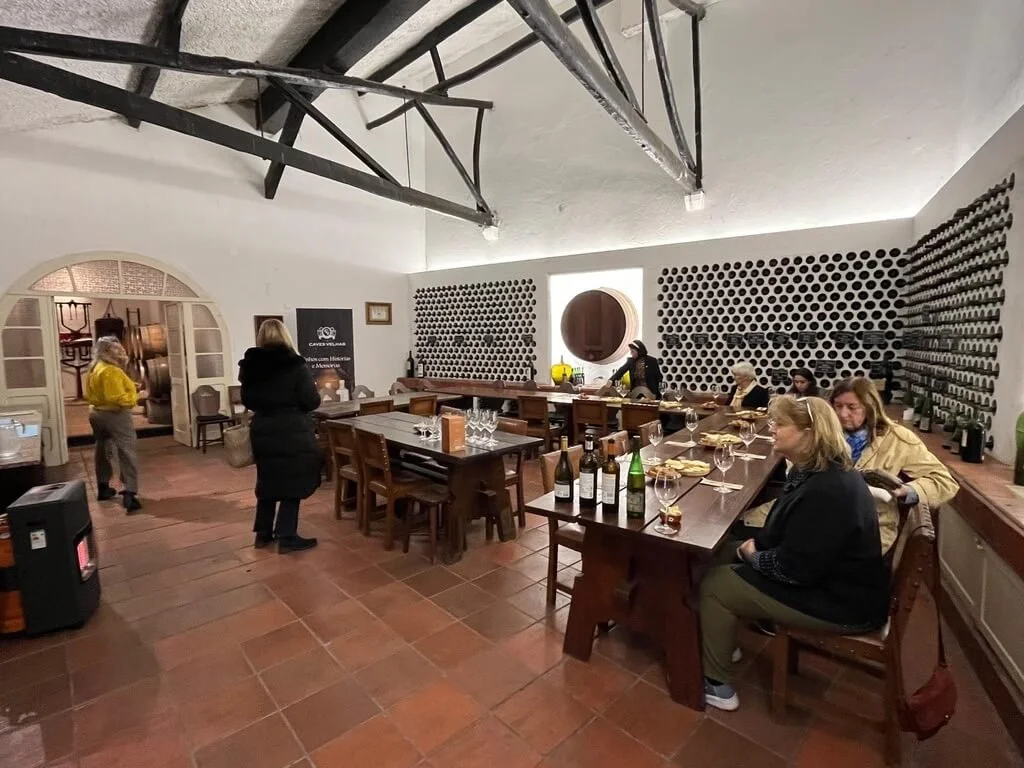
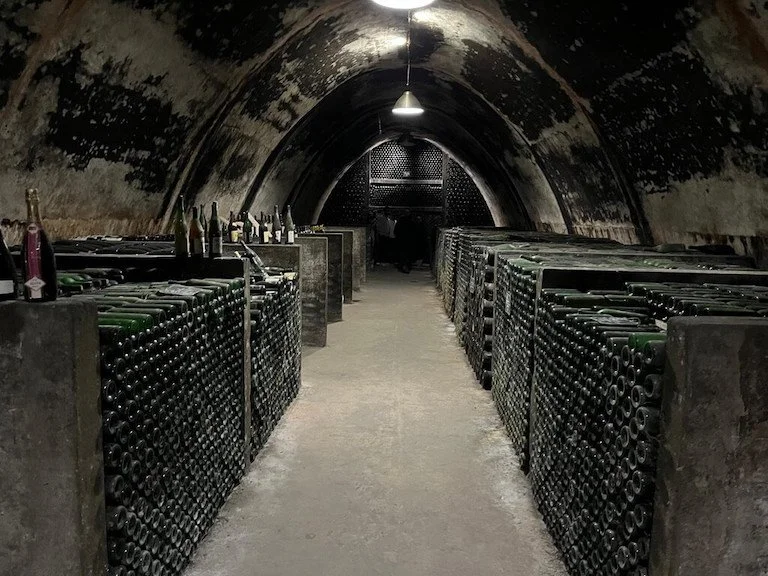
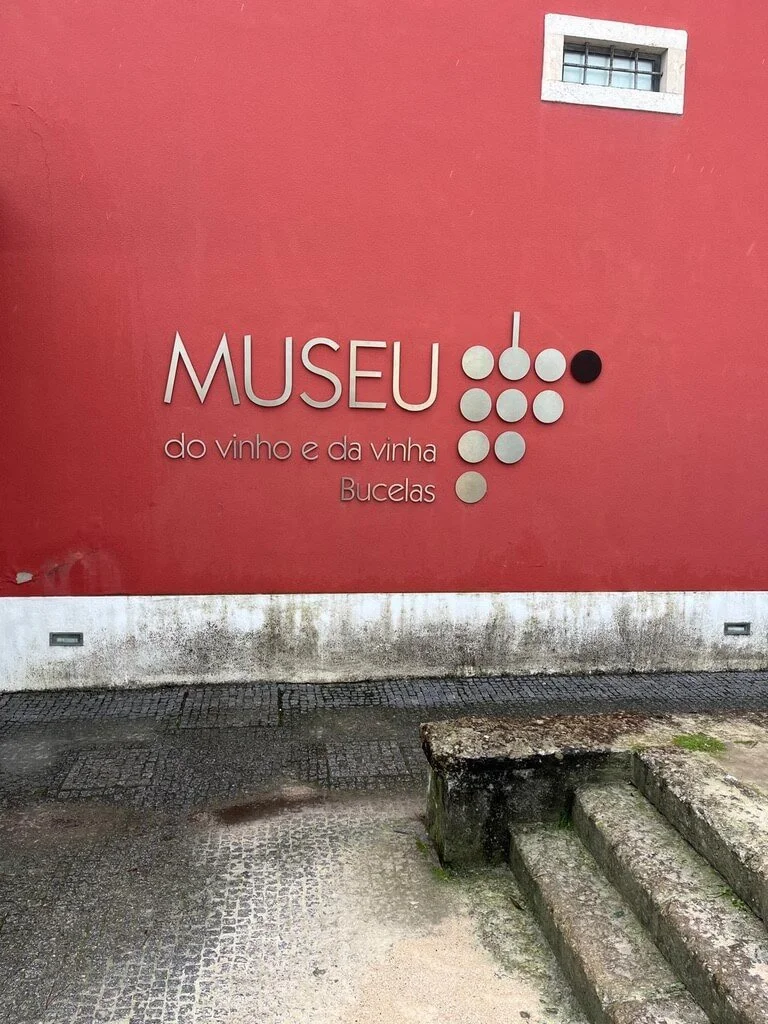
Today you can visit the historic Caves Velhas building and wine cellars, located in the center of Bucelas, which has been restored to offer visits, tastings and other wine events, where you can appreciate the history and heritage of these great wines. You can also visit the ‘Wine and Vine Museum"‘in the historic centre of Bucelas, in a building that belonged to the Camillo Alves family and which dates back to the 19th century.
Conclusion
Travelling to these wonderful regions from Lisbon is so easy and in addition to discovering great and different wines, you get to enjoy this stunning coastline, its elegant resorts and beautiful beaches. Why wouldn’t you is all we can say!