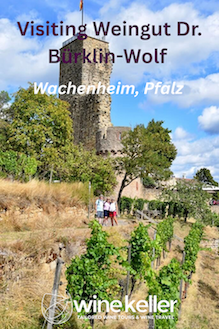
Located in Wachenheim in the Pfalz Mittelhaardt region, known for its top vineyards and historic German wines, especially Pfalz Riesling
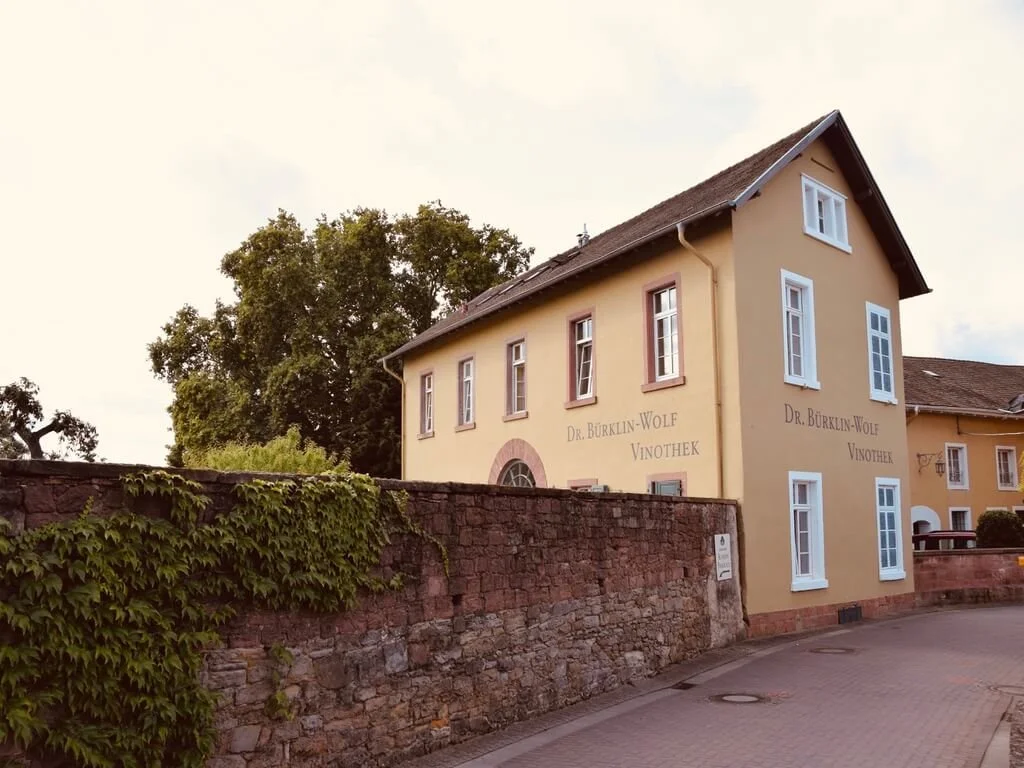
Arriving at Dr. Bürklin-Wolf in Wachenheim, Pfalz - Source: Winekeller
The Pfalz wine region’s Weingut Dr. Bürklin-Wolf is one of Germany’s most dedicated pioneers of biodynamic viticulture and is known and respected around the world for its superb wines, in particular for its Pfalz Riesling wines.
We took the opportunity to visit Dr. Bürklin-Wolf in the lovely Pfalz village of Wachenheim an der Weinstrasse (the famous and reputedly best German wine route), when we spent several days in Germany’s Pfalz wine region over the summer. We spent a day hiking through the historic ‘Grand Cru’ vineyards between the famous wine villages of Deidesheim and Wachenheim and finished up relaxing in the beautiful gardens at the Bürklin-Wolf winery, sampling its world-famous wines.
The vineyards around the Pfalz village of Deidesheim: Source - Winekeller
The Pfalz Mittelhaardt
The Mittelhaardt represents just a small area of the sprawling Pfalz wine region, however it is the most significant part and the traditional heartland of Germany’s second largest wine region. Pfalz’s Mittelhaardt is home to top wine producers and some truly great vineyards, which are mostly clustered between the Pfalz villages of Wachenheim and Deidesheim. The Mittelhaardt is particularly known for its superb Pfalz Riesling wine, which can display beautiful honeyed richness here, balanced with great acidity.
Historically, three famous Pfalz wine estates have dominated in this small but exceptional region - Dr. Bürklin-Wolf, von Bassermann-Jordan and von Buhl - together with the Deinhard estate, which was renamed von Winning in 2008. Bürklin-Wolf is based in the village of Wachenheim, whilst the other three are located in Deidesheim.
The world-famous Pfalz Mittelhaardt vineyards
Almost all of the vineyards in and around Deidesheim are rated as ‘Grosse Lage’ (Grand Cru) by the VDP (a private association of some 200 top German wine producers (for more information see here).
The top Gross Lage Deidesheim vineyard sites include: Hohenmorgen, Mäushöhle, Leinhöhle, Kalkofen, Kieselberg and Grainhübel.
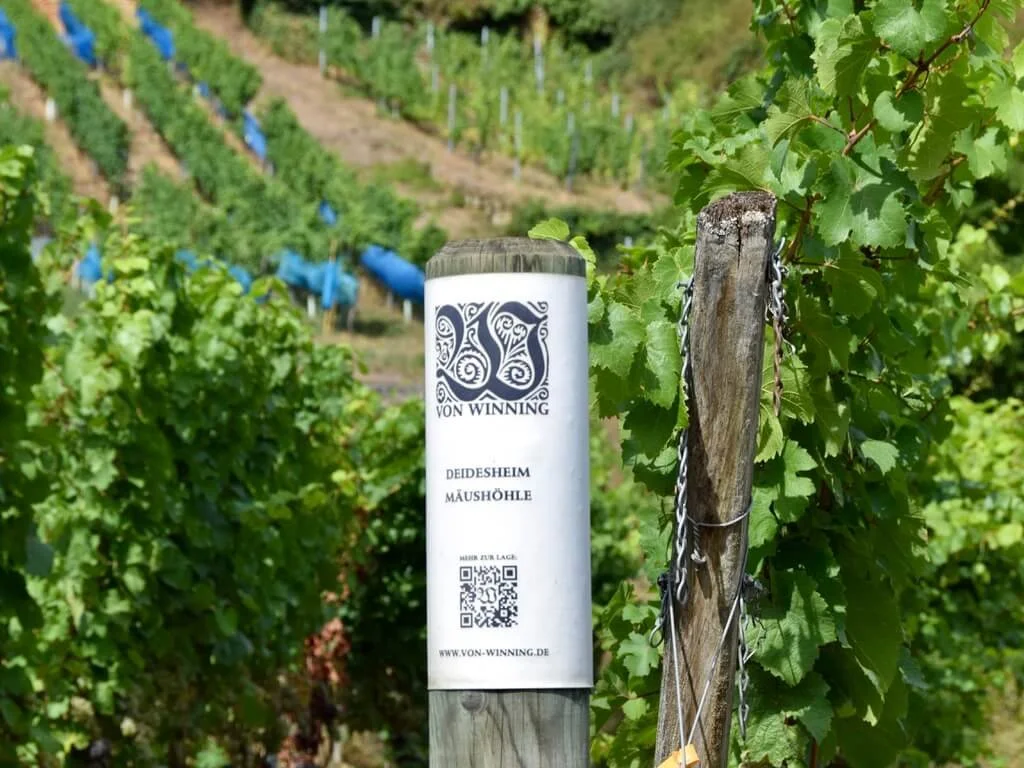
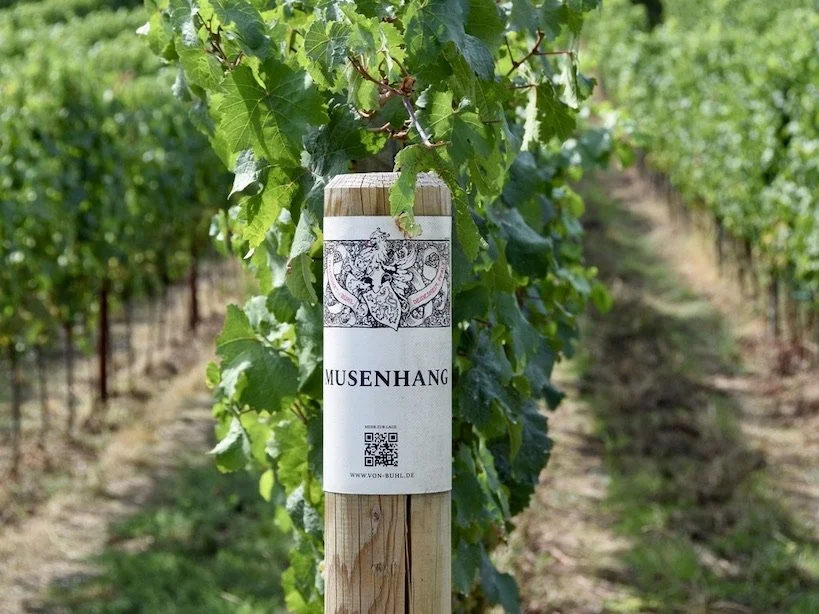
North of Deidesheim lies the village of Forst, which has a reputation for producing the Pfalz wine region’s best and most elegant wines. Its most famous vineyard is called Jesuitengarten, but the Kirchenstück, Ungeheuer and Pechstein vineyards are of a similar class and rating.
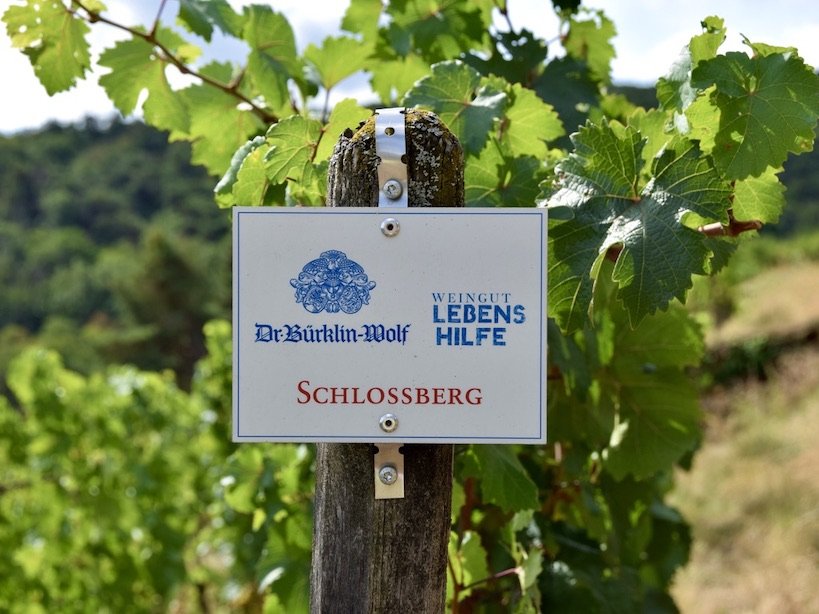
The vineyards of Wachenheim are located at the northern edge of the historic Pfalz Mittelhaardt region and include Böhlig, Rechbächel, Schlossberg and Gerümpel, which are rated as Erste Lage or Premier Cru vineyard sites.
South of Deidesheim lie the wine villages of Ruppertsberg, Haardt, Gimmeldingen and Königsbach, where the moderate slopes produce excellent white wines, both sweet and dry Pfalz Rieslings, as well as some very good Pfalz red wines.
Our vineyard hike round Wachenheim and Deidesheim
Climbing through the Wachenheim vineyards up to Wachtenburg Castle - Source: Winekeller
We started our hike from the car park at Dr. Bürklin-Wolf (see later) in the lovely Pfalz village of Wachenheim an der Weinstrasse, which as its name suggests, lies on the famous German Wine Route, the Deutsche Weinstrasse, Germany's oldest and most famous wine tourism route.
Wachenheim is an important centre for Pfalz wine and lies close to the town of Bad Dürkheim.
Wachtenburg Wachenheim
Wachenheim’s main attraction, which you can’t miss, is Wachtenburg Castle, a 12th-century medieval castle ruin perched on a hill overlooking the village. We headed up the hill, through the famous Wachenheim ‘Schlossberg’ vineyard, in the direction of the castle, where we stopped for a coffee and took time to enjoy the stunning views over the surrounding Rhineland. In fact the views from Wachtenburg Castle are so good that it is often referred to as the ‘Balcony of the Palatinate’.
What is the history of Wachtenburg Castle?
Wachtenburg Castle was built in the 12th century under Konrad von Hohenstaufen, a half-brother of the famous Emperor Barbarossa. The castle was destroyed by French troops during the War of the Palatinate Succession in 1689.
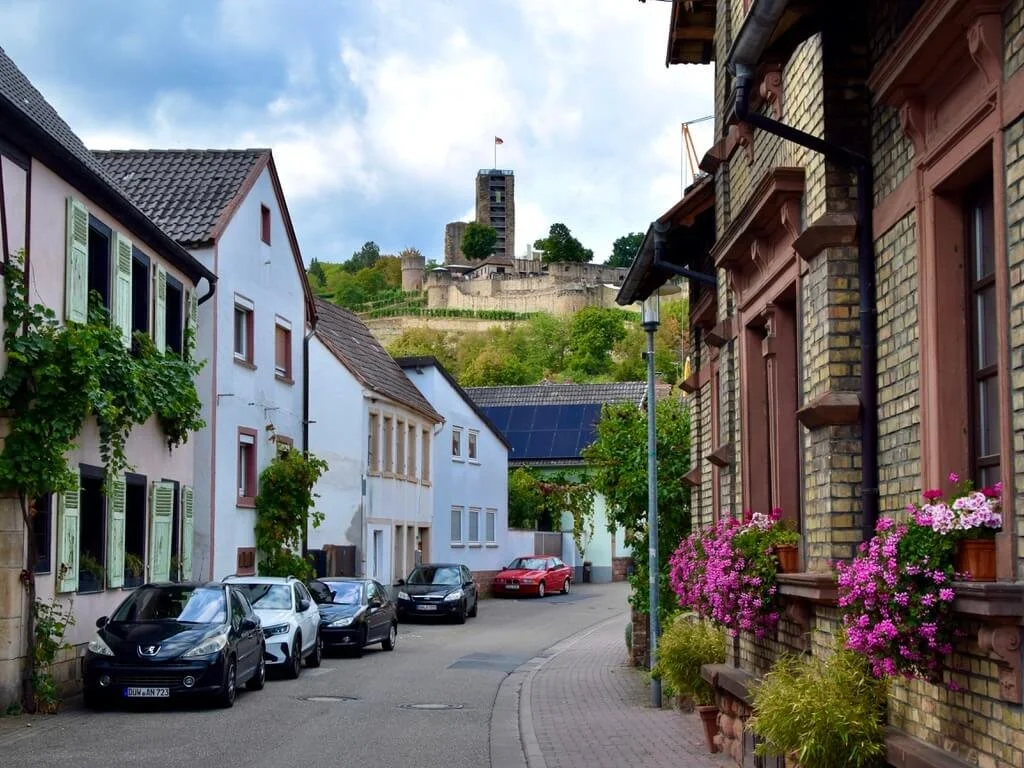
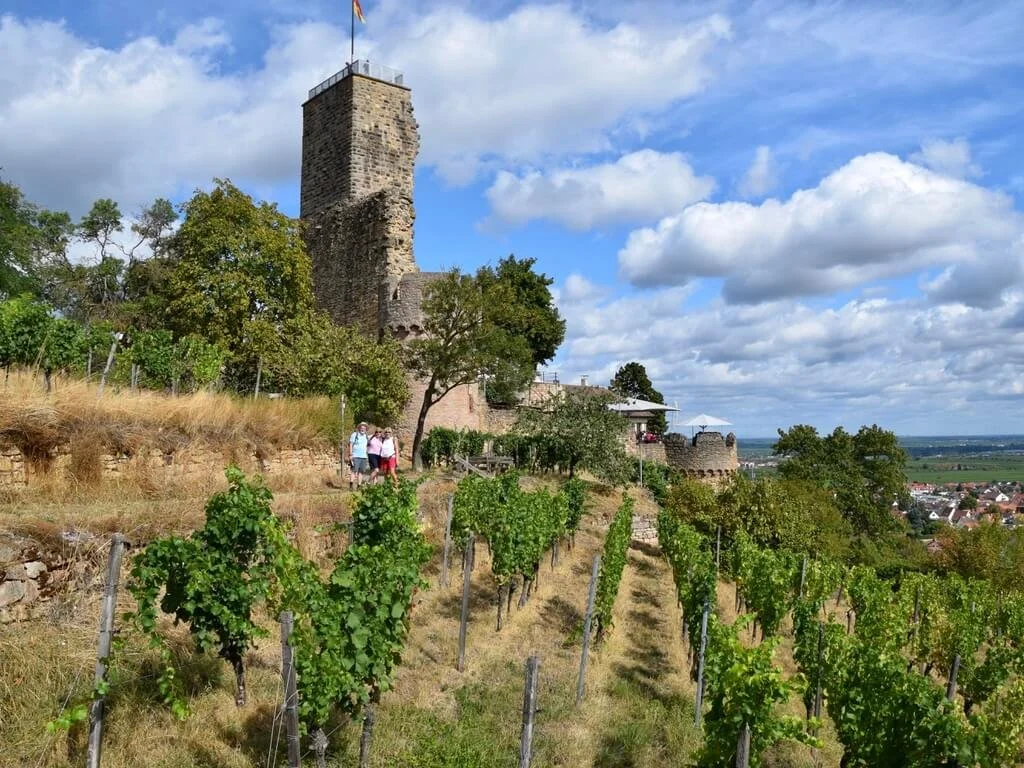
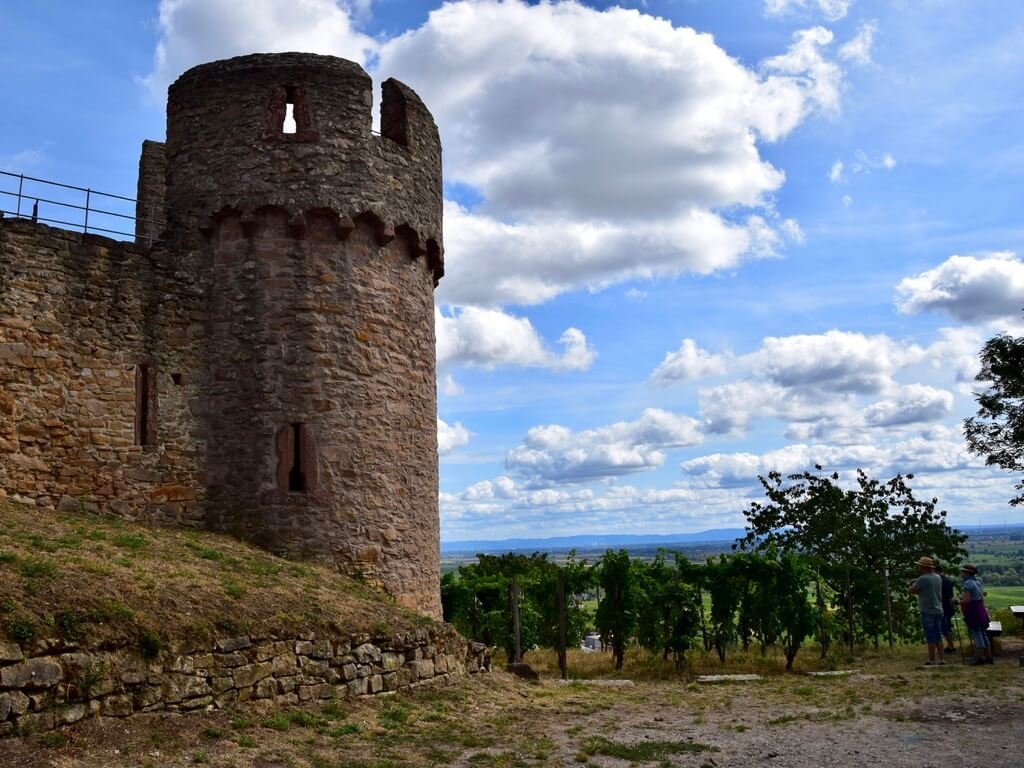
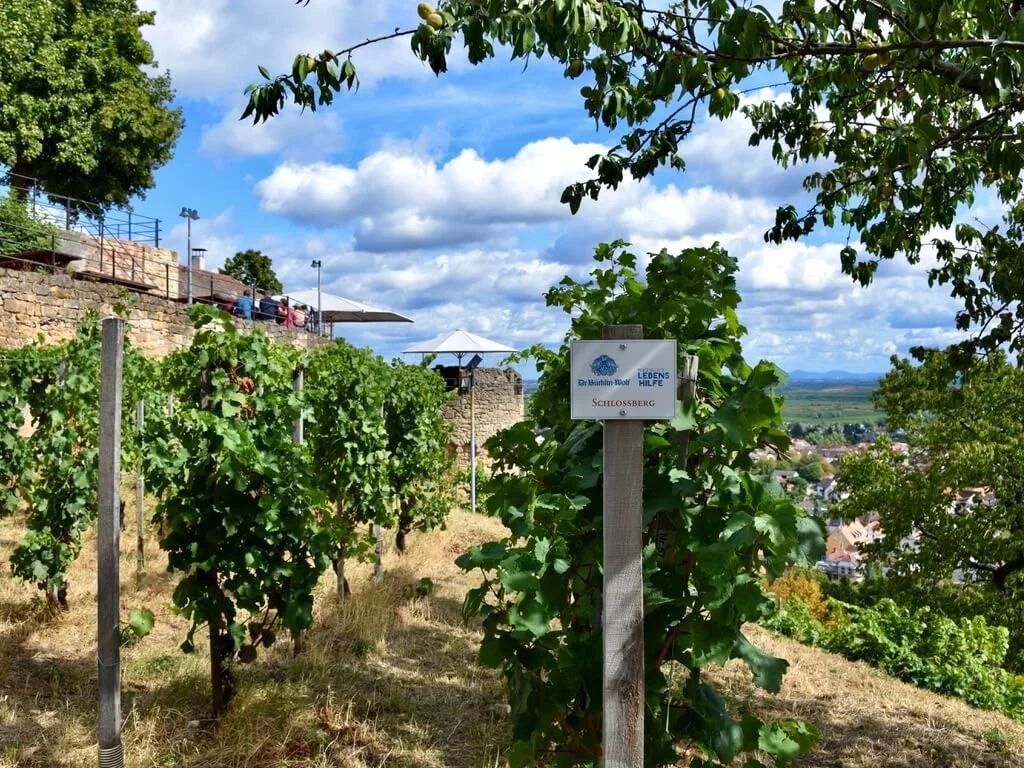
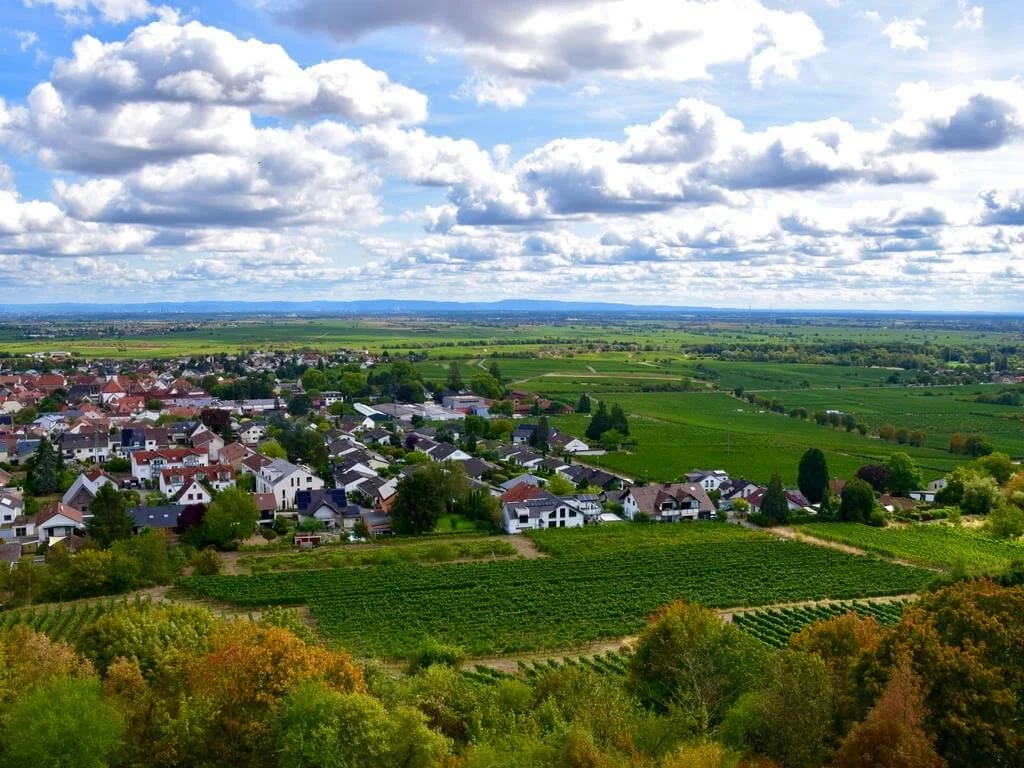
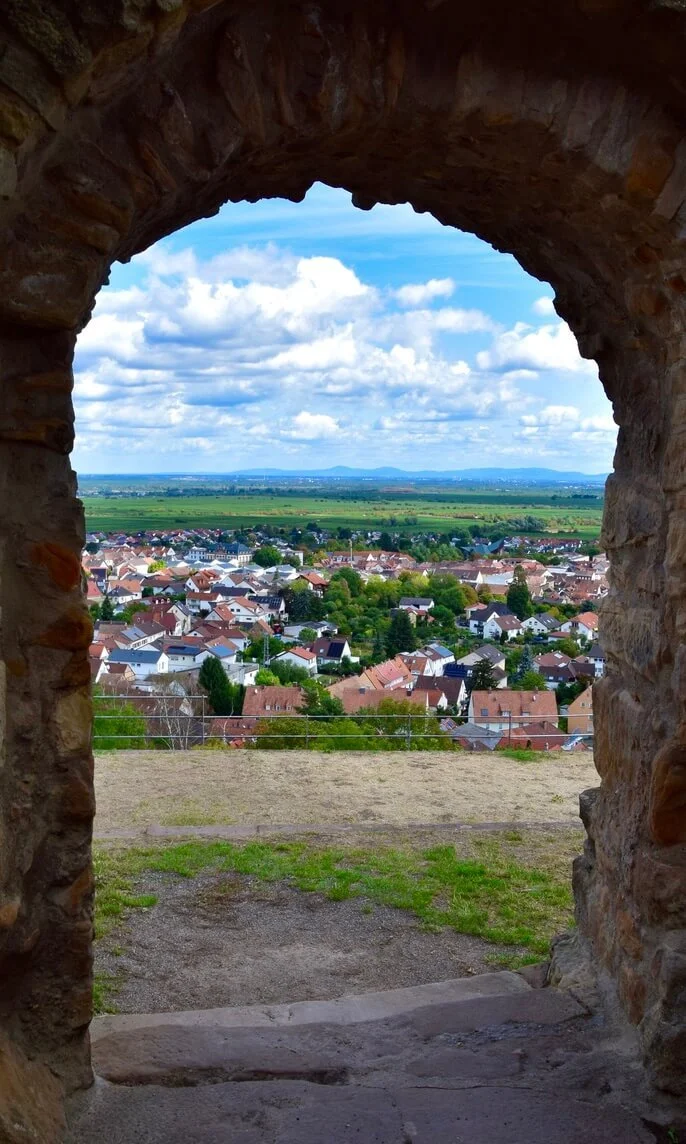
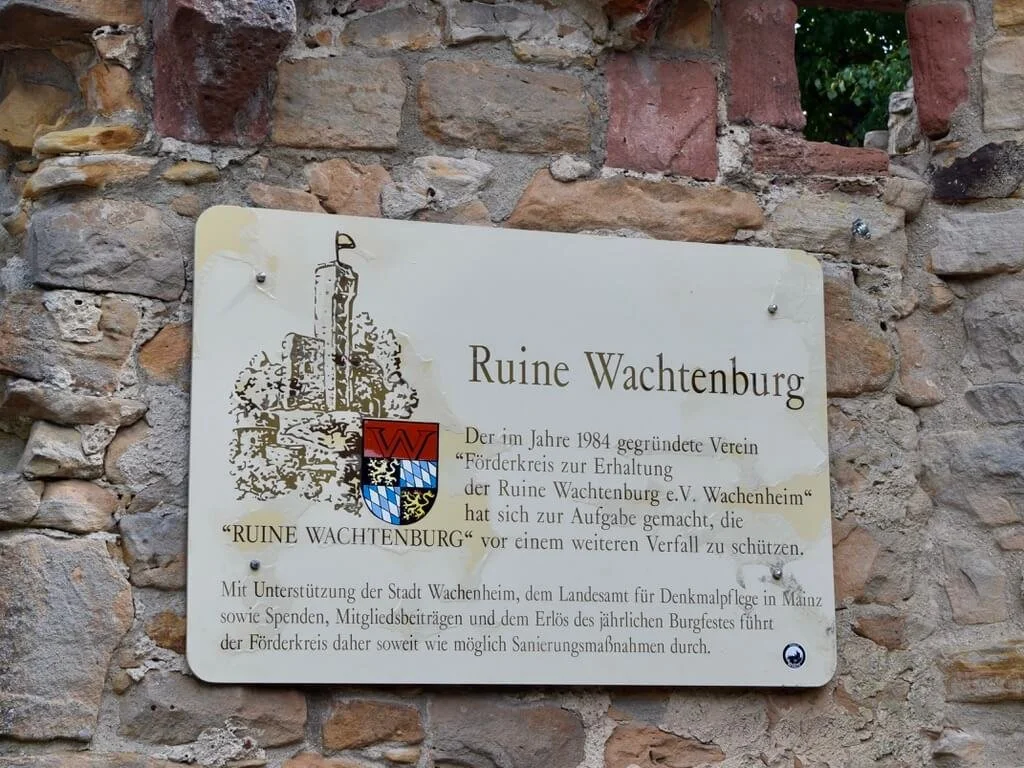
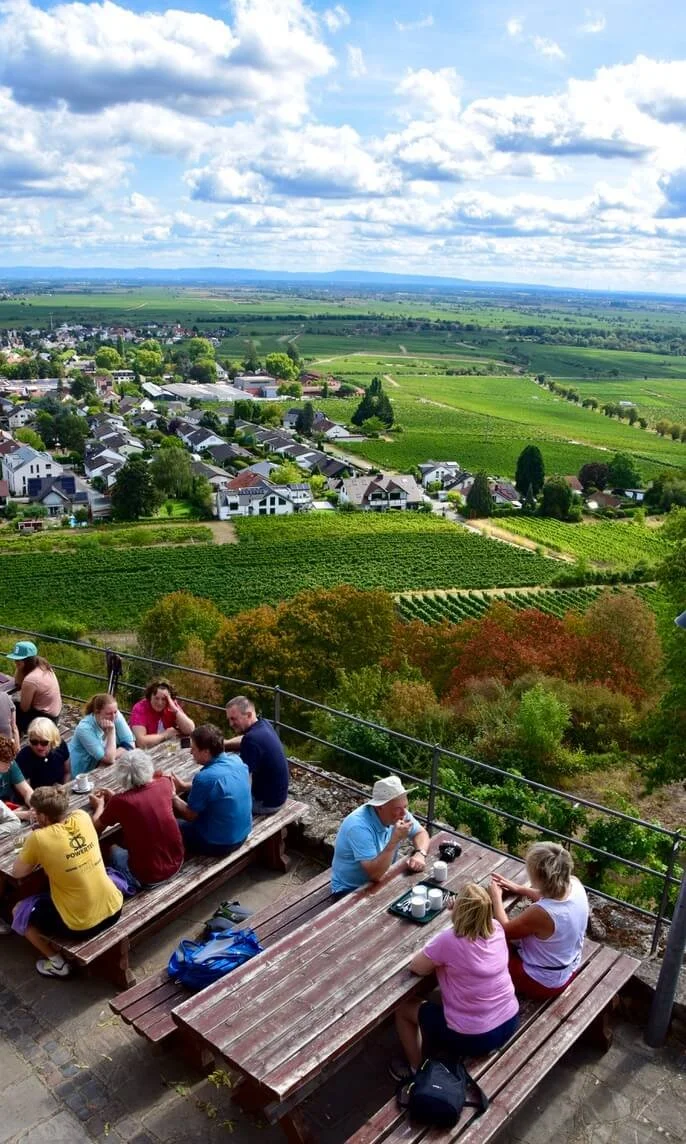
There are many spectacular hiking (and cycling) routes around Wachenheim and we chose a route that would take us through the beautiful Palatinate forest and rolling vineyards and on part of the premium hiking trail Pfälzer Weinsteig.
Our route through the forest took us to a spectacular viewpoint across to the wine village of Deidesheim, from where we wound our way down the hillside, out of the forest and into the famous Deidesheim vineyards.
Deidesheim wine and gastronomy
In addition to being known for its superb Deidesheim wines and world-class vineyards, the village of Deidesheim is something of a mecca for gastronomy and fine dining. A popular draw for visitors is the Michelin-starred Deidesheimer Hof (hosting the historic Schwarzer Hahn restaurant), which once famously welcomed international state guests like Chancellor Helmut Kohl. Deidesheim is also a very pretty Pfalz village and is definitely worth a visit.
Following the path through the vineyards we reached a great vantage point which offered beautiful views over the top-rated vineyards in and around the Pfalz village of Forst. Shortly after stopping here the ruins of Wachtenburg Castle came into view once more and we made our way back to Weingut Dr. Bürklin-Wolf.
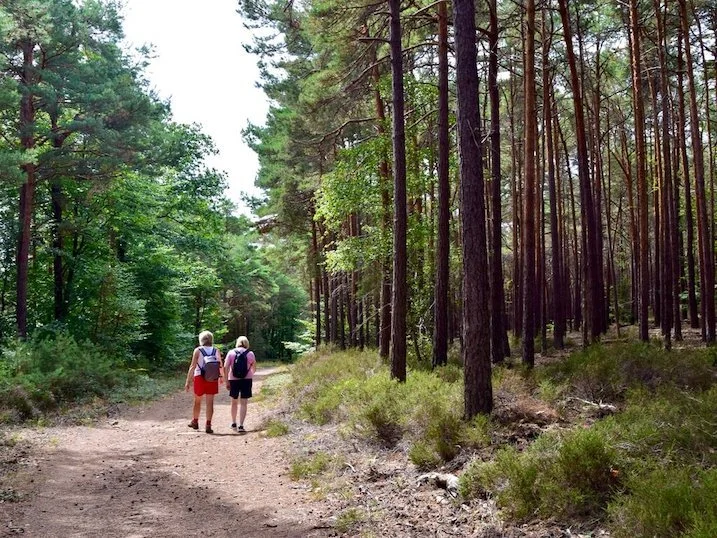
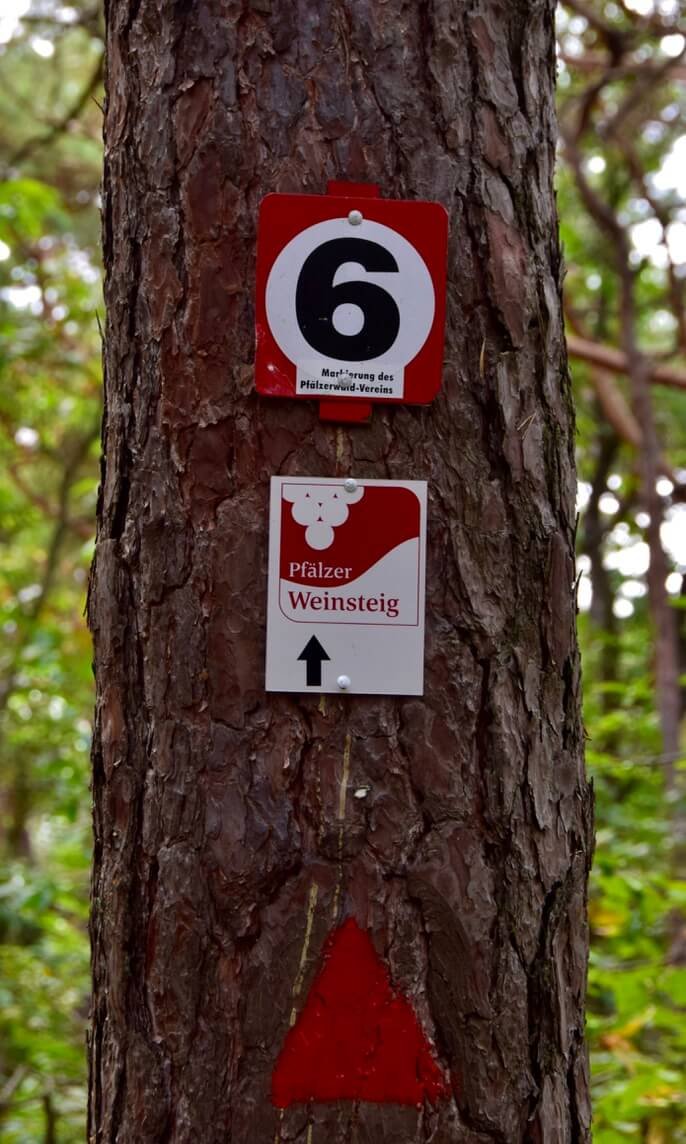
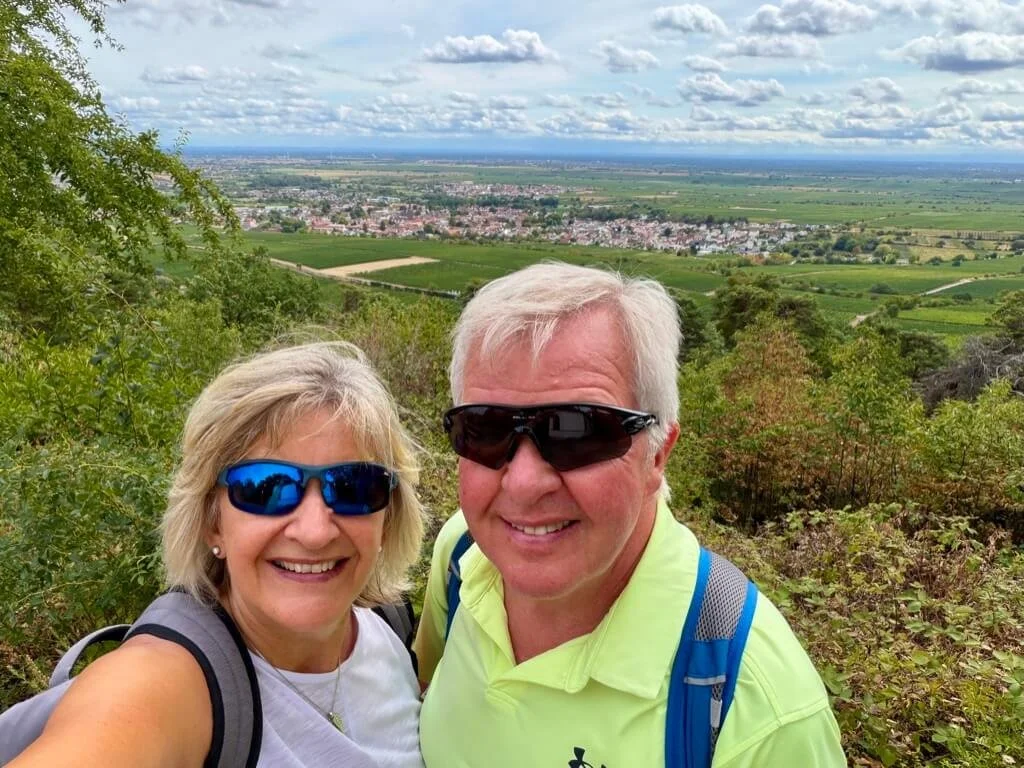
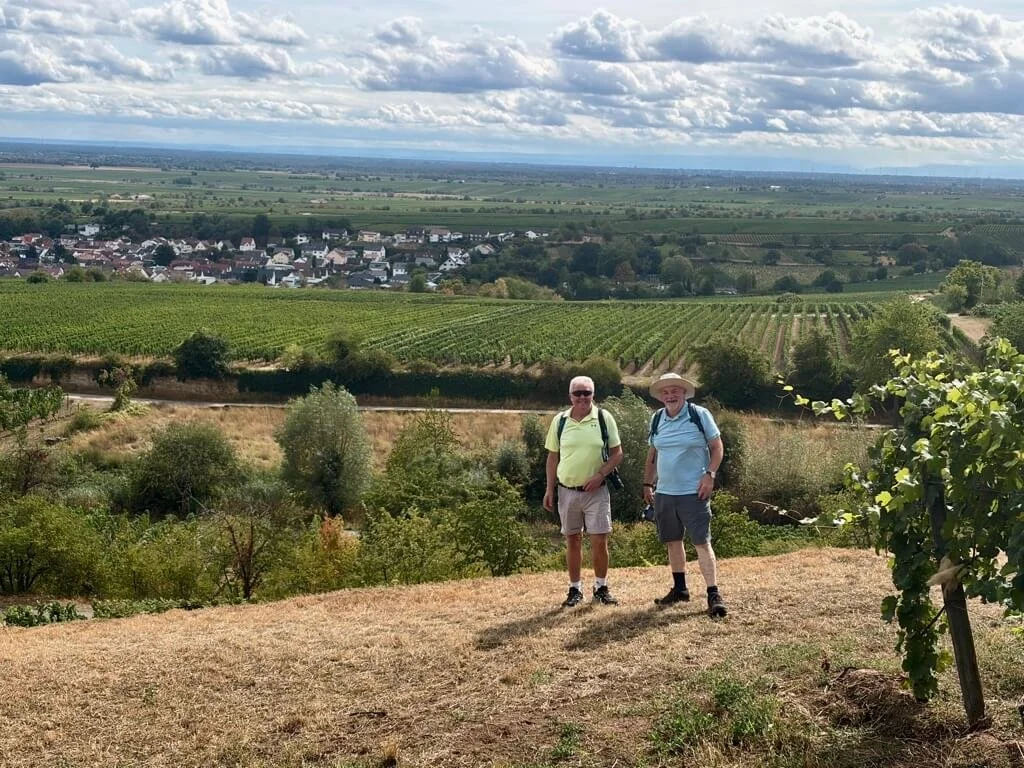
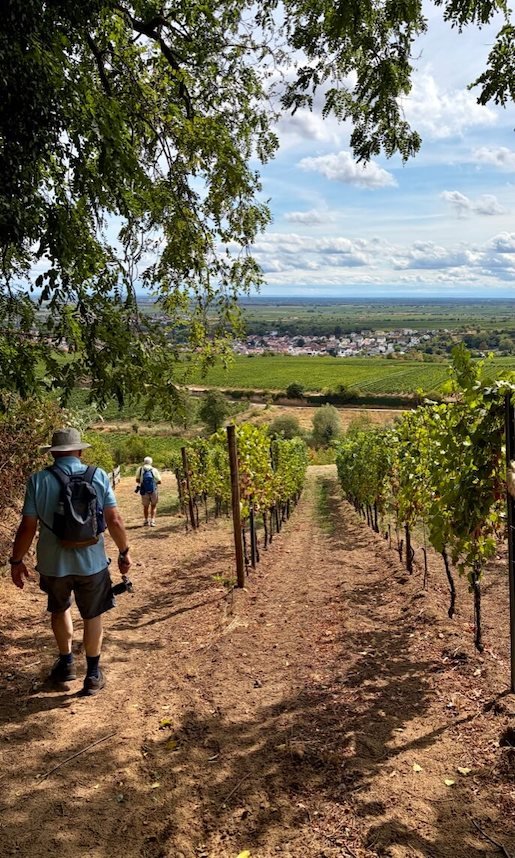
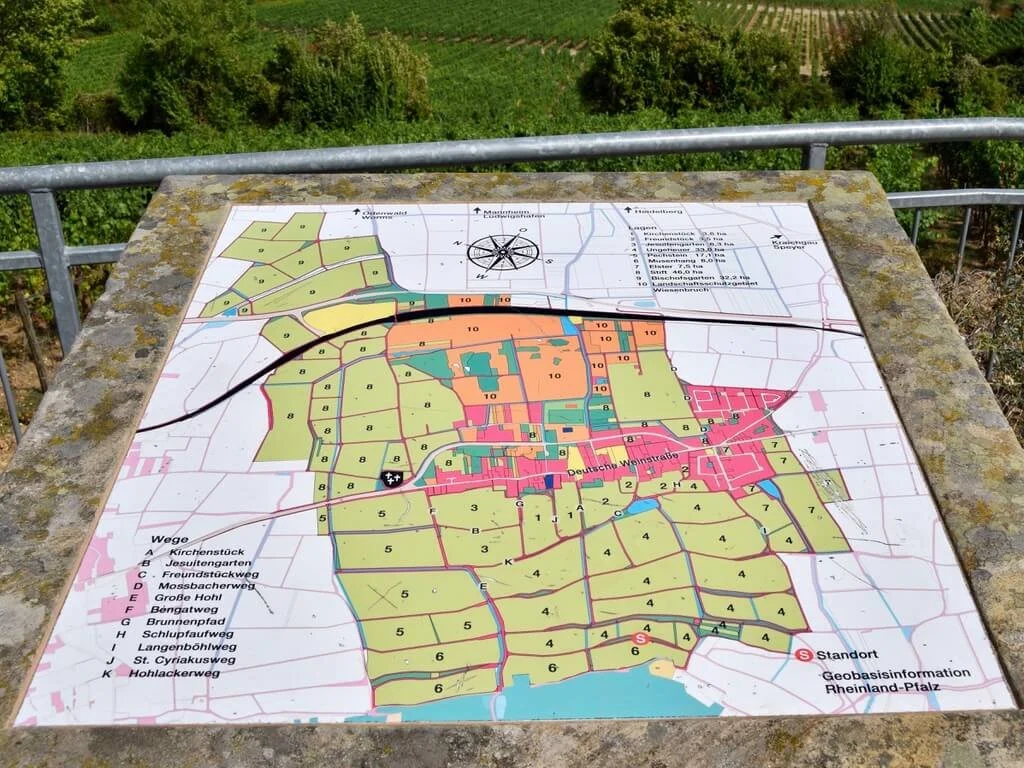
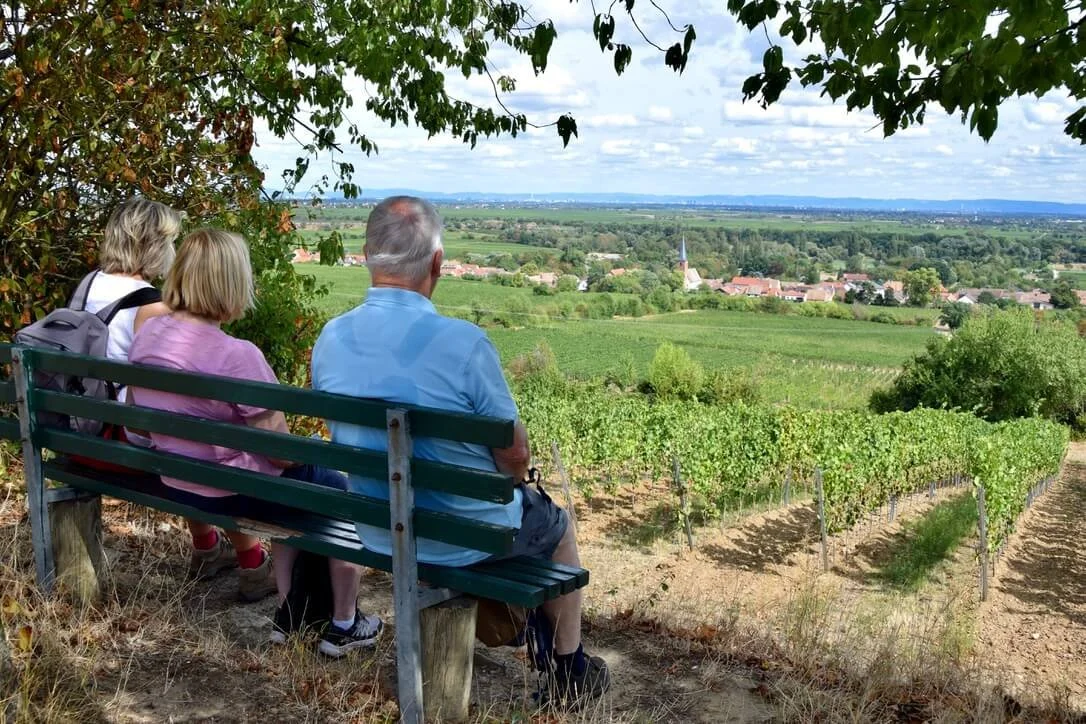
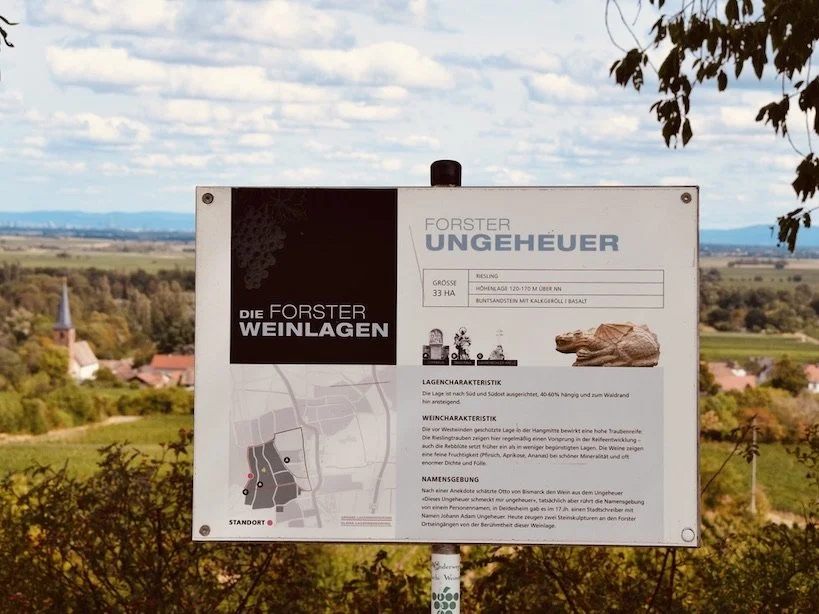
Our hike through the forest and vineyards lasted about 2 hours and we covered about 8kms. We all thoroughly enjoyed the walk and what a wonderful experience to be able to enjoy such spectacular views, to appreciate the magnificent Palatinate forest and to walk through such world-class vineyards.
It was then time to relax and enjoy a glass of wine from these vineyards, made by the iconic Bürklin-Wolf.
Our visit to Weingut Dr. Bürklin-Wolf
The aim of our visit was to enjoy and appreciate some of the famous Dr Bürklin Wolf Riesling wine, but also to spend time in the Bürklin Wolf Vinothek and beautiful ‘English Garden’.
About the Bürklin-Wolf winery
The origins of Bürklin-Wolf, one of Germany’s greatest wine estates, with a reputation across the world for top-quality dry German Rieslings from some of the most valuable vineyard sites in Germany, date back to 1597. The marriage of Luise Wolf from Wachenheim to Privy Councillor Dr. Albert Bürklin in 1875 gave rise to the name of the present-day winery and brought the valuable vineyard sites in Wachenheim, Forst, Deidesheim and Ruppertsberg into joint family ownership.
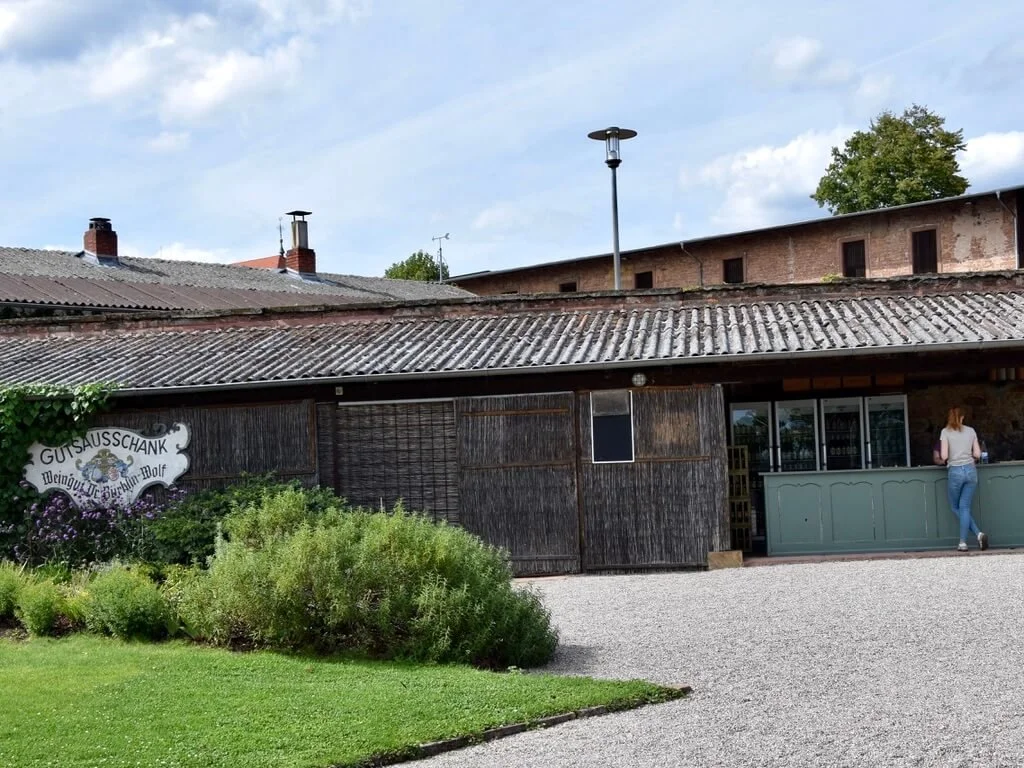
Weingut Dr. Bürklin-Wolf, Wachenheim Pfalz - Source: Winekeller
Dr. Bürklin-Wolf Riesling wines
Dr.Bürklin-Wolf has always been considered a pioneer and trailblazer of German winemaking and biodynamic viticulture, producing the best-quality, pure, complex, terroir-driven Riesling wines, from grapes grown in some of the most premium vineyard sites in the world.
Since 1990, these precious vineyard sites - or appellations - have been categorised and classified according to a quality pyramid based on both the Royal Bavarian classification of 1828 and the Burgundy classification.
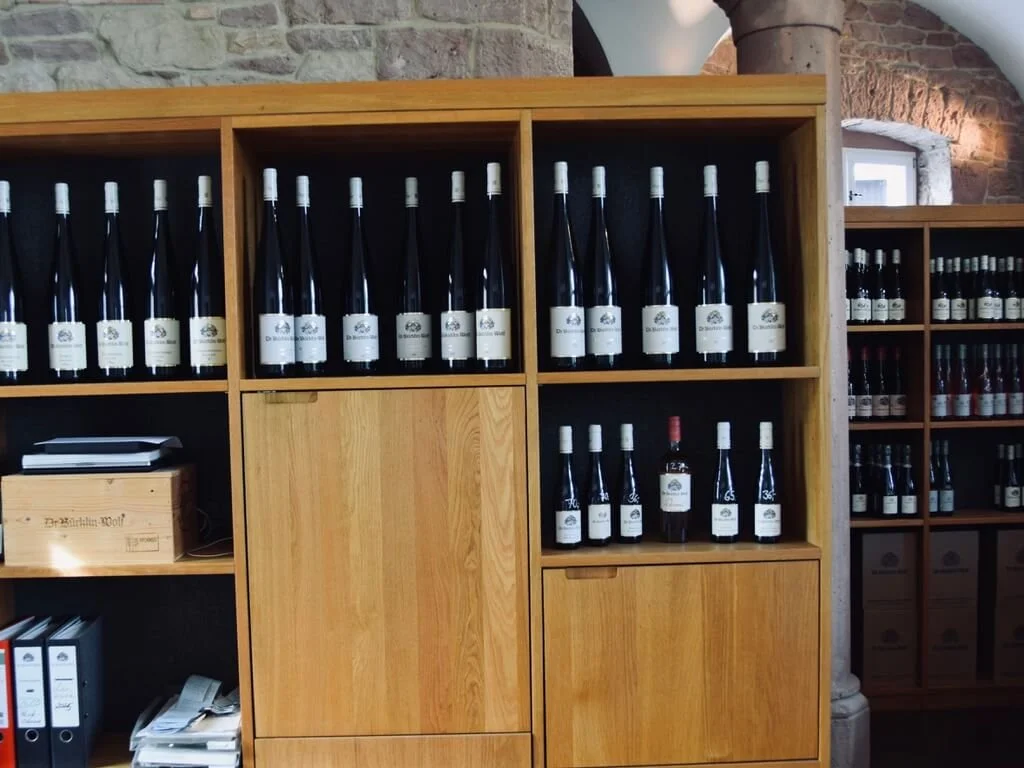
Today Bürklin-Wolf wines include a range of ‘Grand-Cru’, ‘Premier Cru’, ‘Village’ and ‘Estate’ wines.
The top of the pyramid ‘Grand-Cru’ Dr. Bürklin-Wolf Rieslings are truly great German Rieslings and can be considered ‘the’ Grands Crus of the Pfalz Mittelhaardt. They are produced from grapes grown on the premium, historic vineyard sites of Forst, Deidesheim and Ruppertsberg - see earlier - and are fermented and aged exclusively in large oak barrels and fermented with wild yeasts.
The ‘Premier Cru’ Riesling wines correspond to those from Premier Cru sites in Burgundy and are also fermented in large oak vats with wild yeasts. The Bürklin-Wolf ‘Village’ wines derive exclusively from classified vineyards in Forst, Deidesheim, Ruppertsberg and Wachenheim and the ‘Estate’ Riesling is a cuvée of the Riesling sites from the four Mittelhaardt villages, displaying the unique terroir of the region.
See here for more information about the Bürklin-Wolf appellations and discover these special wines here.
The Dr. Bürklin-Wolf Tasting Room and English Garden
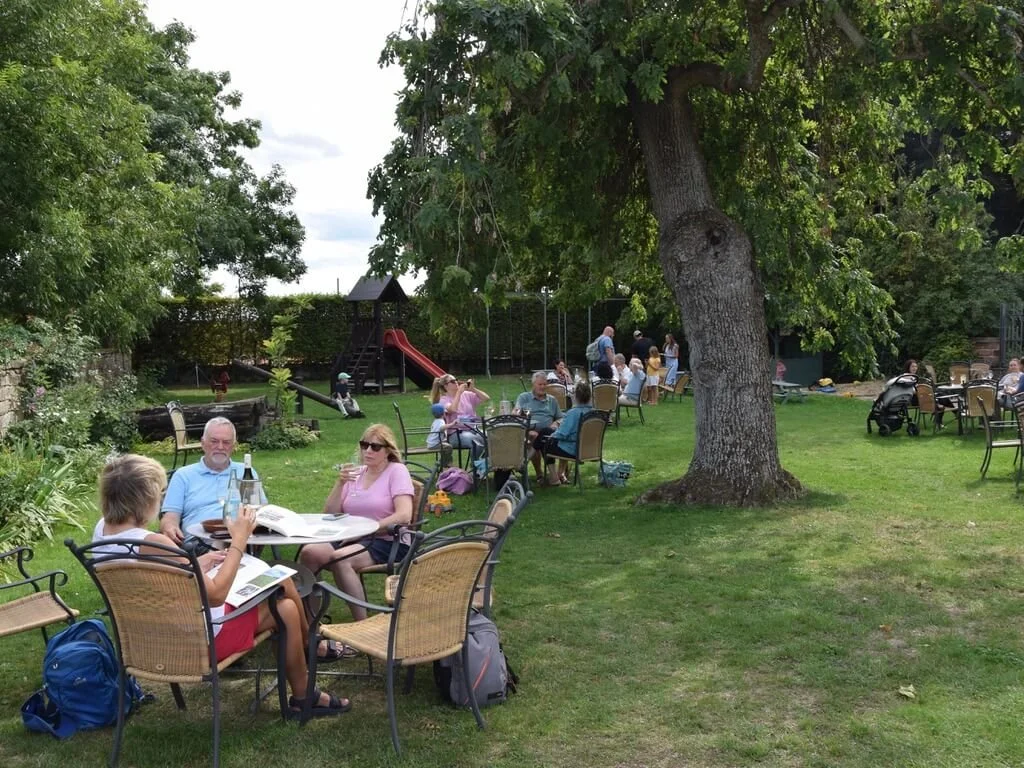
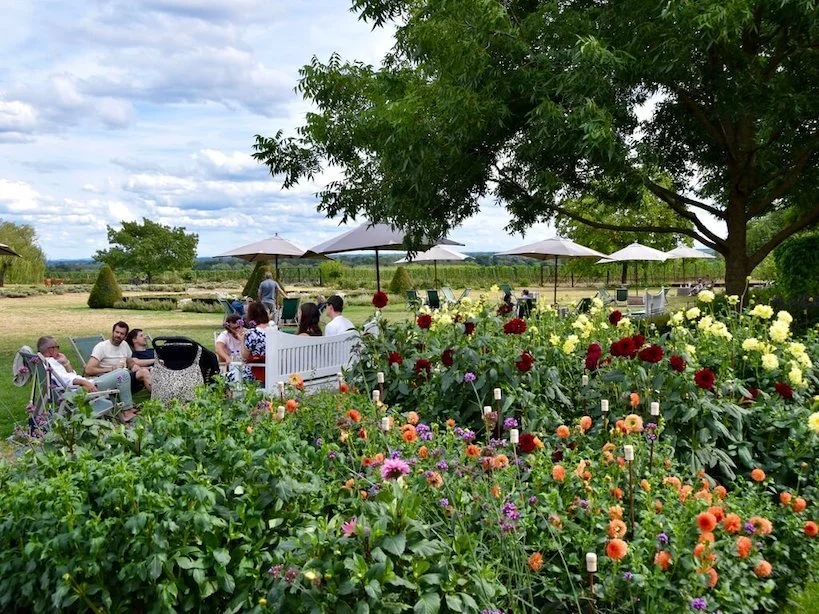
In the heart of Wachenheim you can visit Dr. Bürklin-Wolf and taste these superb wines in the glorious setting of an 1845 classical manor house, where the tasting room and wine shop are located, or outside in the beautiful park-like estate garden. Booking is required.
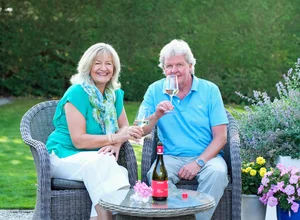
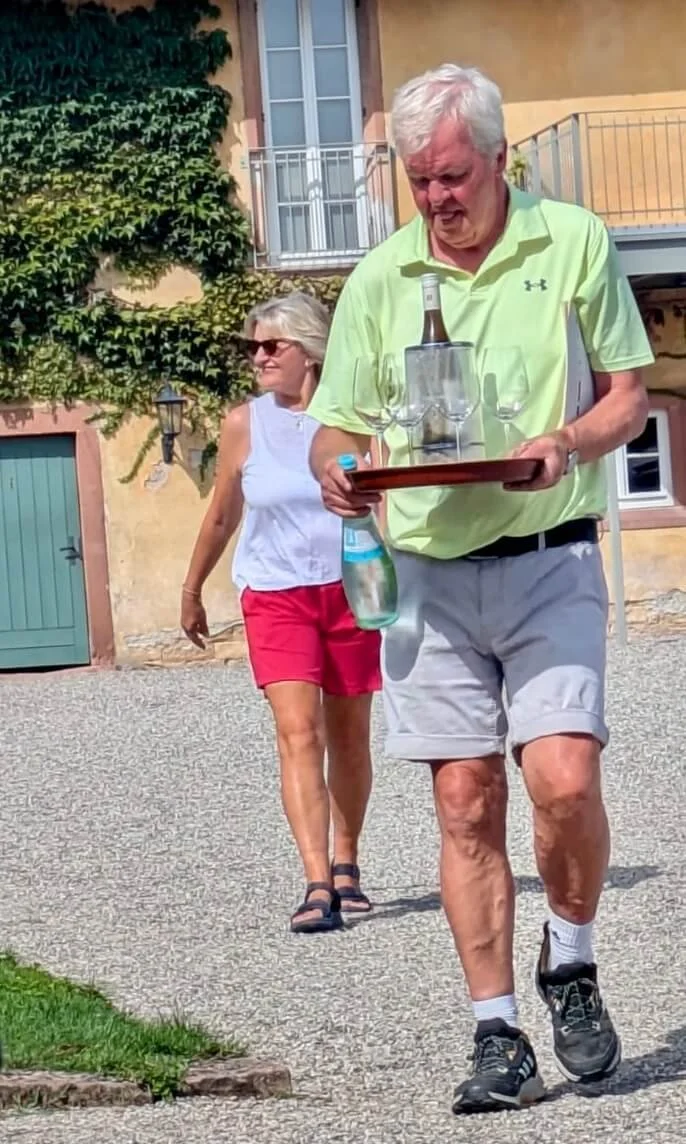
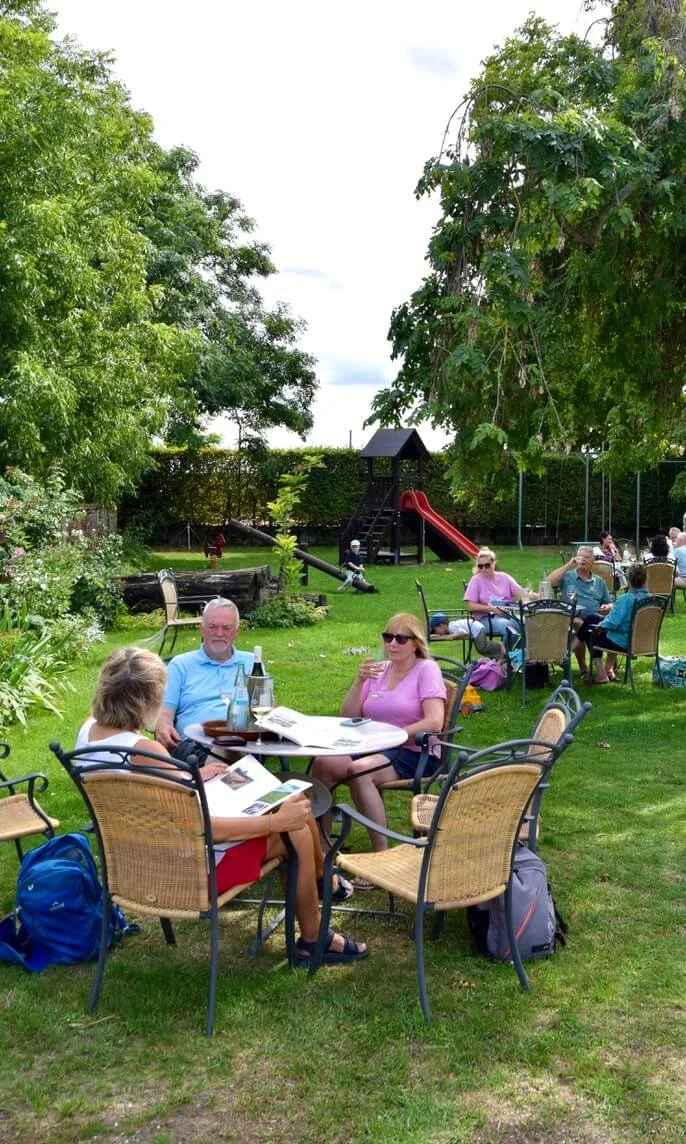
Following our hike through the forest and Wachenheim-Deidesheim vineyards, we enjoyed a tasting of the wonderful Dr. Bürklin-Wolf Estate Riesling and a bottle of a very excellent Pinot Blanc - or Weissburgunder - relaxing in the English Garden. What a treat!
Enjoying the Bürklin-Wolf English Garden - Source: Winekeller
Conclusion
Dr. Bürklin-Wolf is one of Germany’s top wine estates and producer of some of the world’s best dry Riesling wines. If you plan to visit Germany’s Pfalz wine region and to discover its historic, premium vineyard estates, then a hike around Wachenheim and a visit to Weingut Dr. Bürklin-Wolf both need to be on your itinerary!