Visiting Nahe wine region icon - Weingut Emrich-Schönleber
A trailblazing German wine producer - known for producing some of the best Nahe wines and best German Riesling wines
Visit to the Nahe’s Weingut Emrich-Schönleber - Source: Winekeller
Having visited the Nahe wine region’s Weingut Dönnhoff and discovered its amazing German Riesling wines, we were keen to visit another of its iconic wine producers, Weingut Emrich-Schönleber, also known around the world for its top quality, single vineyard Grand Cru (Grosses Gewächs) Riesling wines.
Located in the Nahe village of Monzingen which lies at the cooler, western edge of the famous Nahe Grand Cru vineyards, Weingut Emrich-Schönleber produces some excellent, expressive and distinctive Nahe Rieslings - a producer as influential today in the Nahe wine region as it was in the early 1990s when the true potential of the Nahe wine region was realised.
About Weingut Emrich-Schönleber
Weingut Emrich-Schönleber is a family-owned and managed, VDP classified wine estate, whose roots in Monzingen stretch back to the mid 18th century. From 1965-1985, under the leadership of Wilhelm, followed by Werner Schönleber, the Emrich family transitioned the estate to focus fully on wine production, expanding it in the process to 10 hectares of vineyards. In 1991, with an increasing focus on quality wines and German Riesling, the estate was named as one of the top 100 wine estates in Germany. Under the stewardship of Werner Schönleber in 1994, the estate became a member of the prestigious VDP association (Germany’s classification for its top vineyard sites) and its position as a benchmark producer, not only of the Nahe wine region, but of all German Riesling, was established.
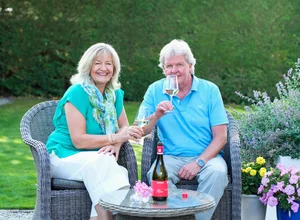
Today Werner Schönleber and son Frank continue the family tradition and farm just over 20 hectares of vines in some of Germany’s most prestigious Grand Cru sites. Some 85-90% of the vineyards are planted with Riesling, with a small production of Grauburgunder (Pinot Gris) and Weissburgunder (Pinot Blanc).
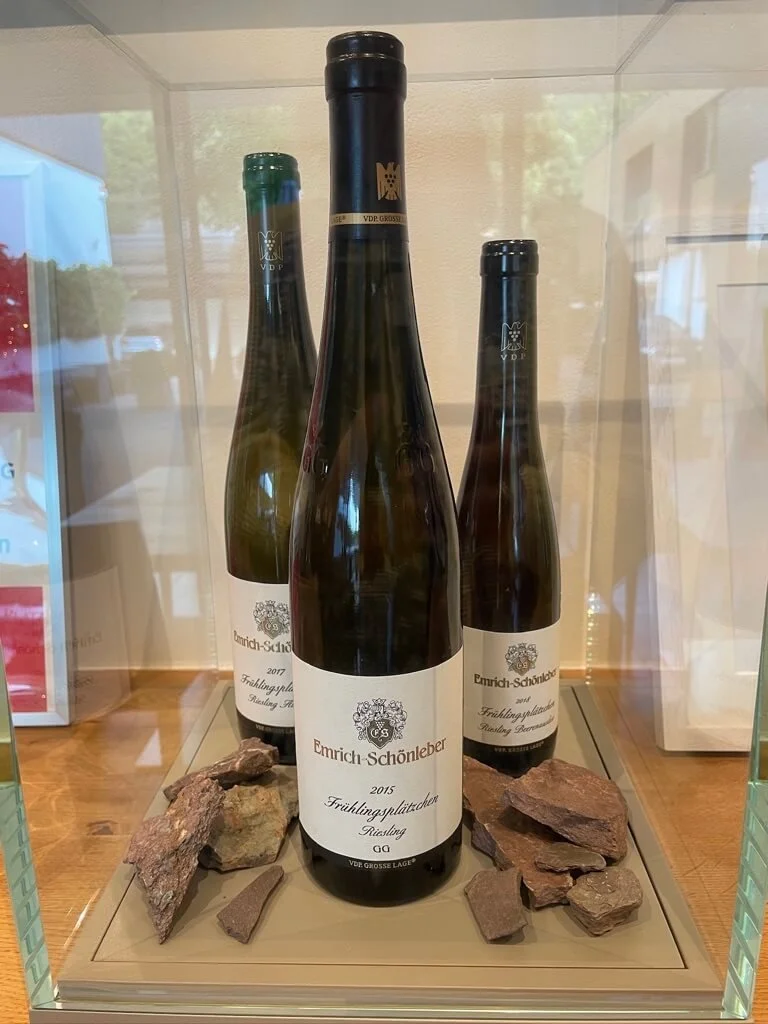
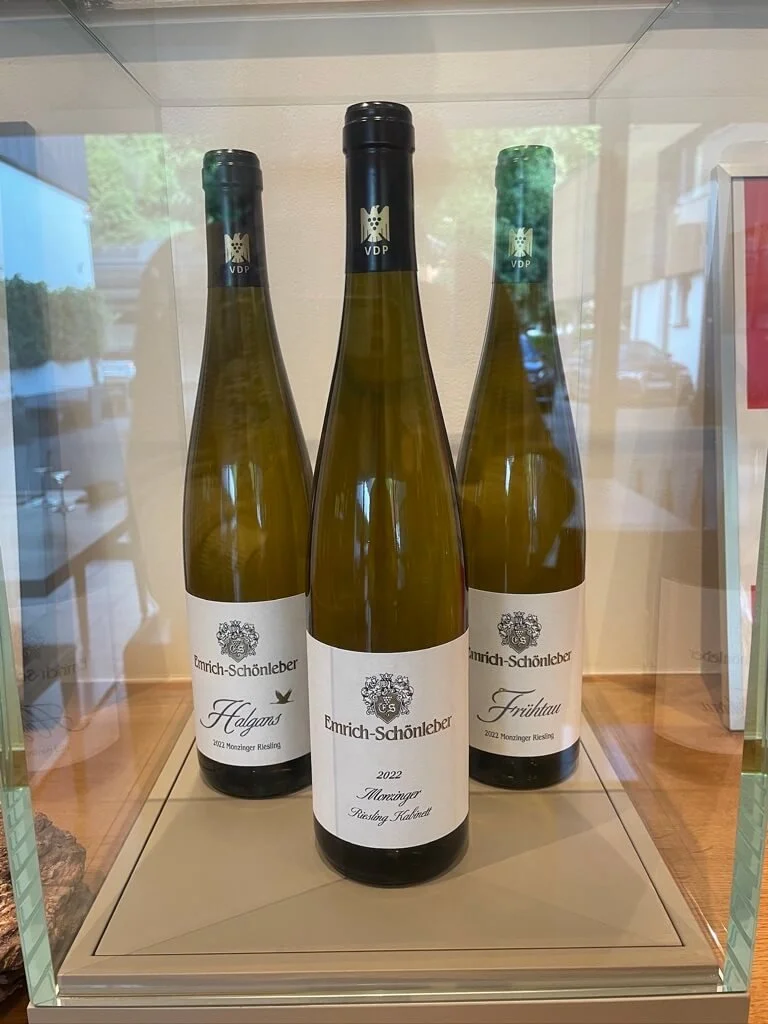
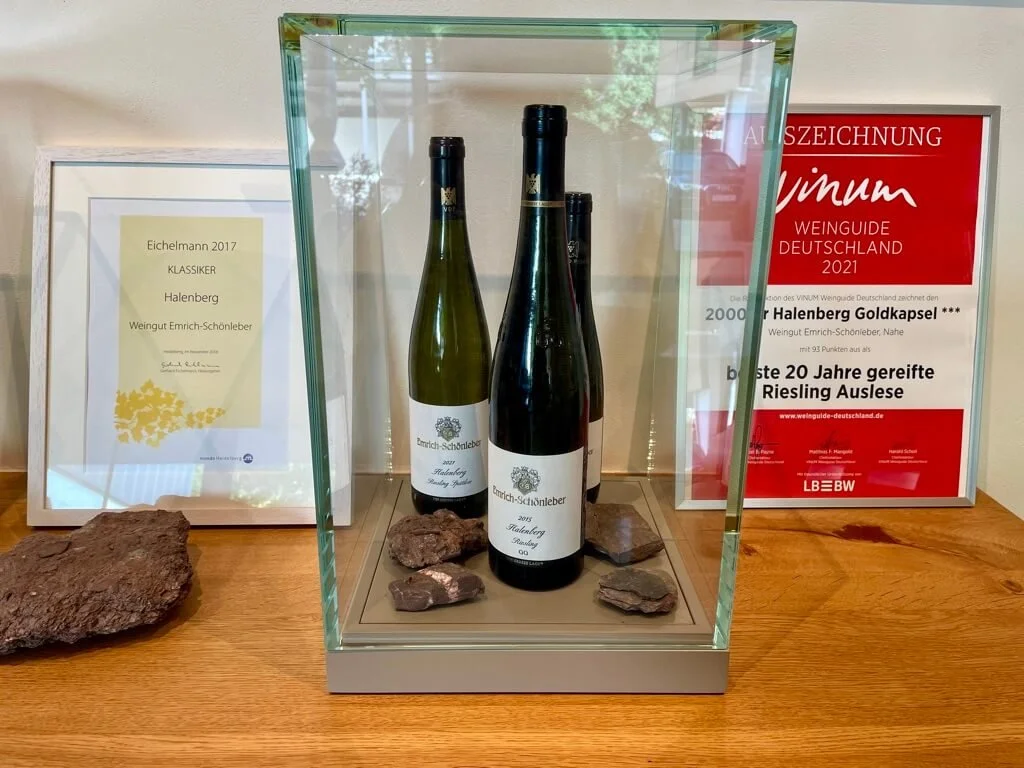
The estate produces approximately 130,000 bottles of wine each year and about 40% of production is exported, with the US being the top market. Weingut Emrich-Schönleber is known for its exceptional Grand Cru wines, with grapes grown in the top Monzingen ‘Grosse Lage’ vineyards. It is regarded as one of the world’s top world-class wineries and its Nahe Riesling wines are respected the world over.
Note - ‘Grand Cru’ wines in Germany are VDP.Grosse Lage wines, made from grapes from the highest quality German vineyards. The locations are split into parcels that produce the best wines expressing terroir and with special ageing potential. (The dry wines are called VDP. Grosses Gewächs - commonly called GG)
The world-famous Nahe Monzingen Grand Cru vineyards
The premium Nahe Riesling vineyard sites and wine villages are located along the stretch of the River Nahe from Monzingen to Bad Münster am Stein. Monzingen lies in the west of this premium wine growing region, close to the extensive Soonwald forest and the Hunsrück Hills, where the temperatures are cooler, producing lively, precise wines that need a little longer to ripen.
The Monzingen vineyards lie 160 to 250 metres above sea level and benefit from abundant sunshine, optimum slope exposure, thermal winds and well-drained, stony soils, which provide the ideal conditions for producing top-quality wine - especially German Riesling wine.
As far back as the 1800s the Monzingen hills were recognised for producing excellent quality wine and the Schönleber family has contributed much in the last 40 years towards maintaining and recultivating these steep and once highly regarded vineyard plots.
Monzingen vineyards, Nahe: Source - Winekeller
The top Monzingen vineyards, both designated ‘Grand Cru’ or ‘Grosse Lage’ vineyards, are Halenberg and Frühlingsplätzchen, which both feature steep south to southwest-facing inclines of up to 70%.
Monzinger Frühlingsplätzchen Grand Cru vineyard
The Frühlingsplätzchen soils mostly consist of red slate, gravel and quartzite, frequently interspersed with red-coloured loam referred to as Rotliegend, producing world-class, intensely mineral, and fruit-driven Riesling wines.
The wines feature aromas and flavours of ripe white peach, apricot, citrus, and delicate floral notes, with a characteristic flinty minerality, vibrant acidity, and an enormously long, mouthwatering, salty finish.
The best Monzinger Frühlingsplätzchen ‘GG’s (Grosses Gewächs wines) can easily age and evolve over 30 to 40 years. These are highly acclaimed wines.
Monzinger Halenberg Grand Cru vineyard
The Monzinger Halenberg is Monzingen's smallest vineyard (just 5.5 hectares), planted exclusively with Riesling vines, most of which belong to Weingut Emrich-Schönleber. Monzinger Halenberg is one of the premier vineyard sites in Germany’s Nahe region, producing world-class, highly sought-after Rieslings.
Halenberg is known for its stony deep-blue slate and quartzite soils, which produce wines with crystalline purity, intense minerality, and a distinctive salty finish. In the Summer when there is little water, the Halenberg vines have to work very hard to survive, resulting in smaller grapes, which produce exquisite citrus, exotic fruit and herbal aromas. These wines, similar to Frühlingsplätzchen wines, offer incredible ageing potential.
Our wine tasting at Weingut Emrich-Schönleber
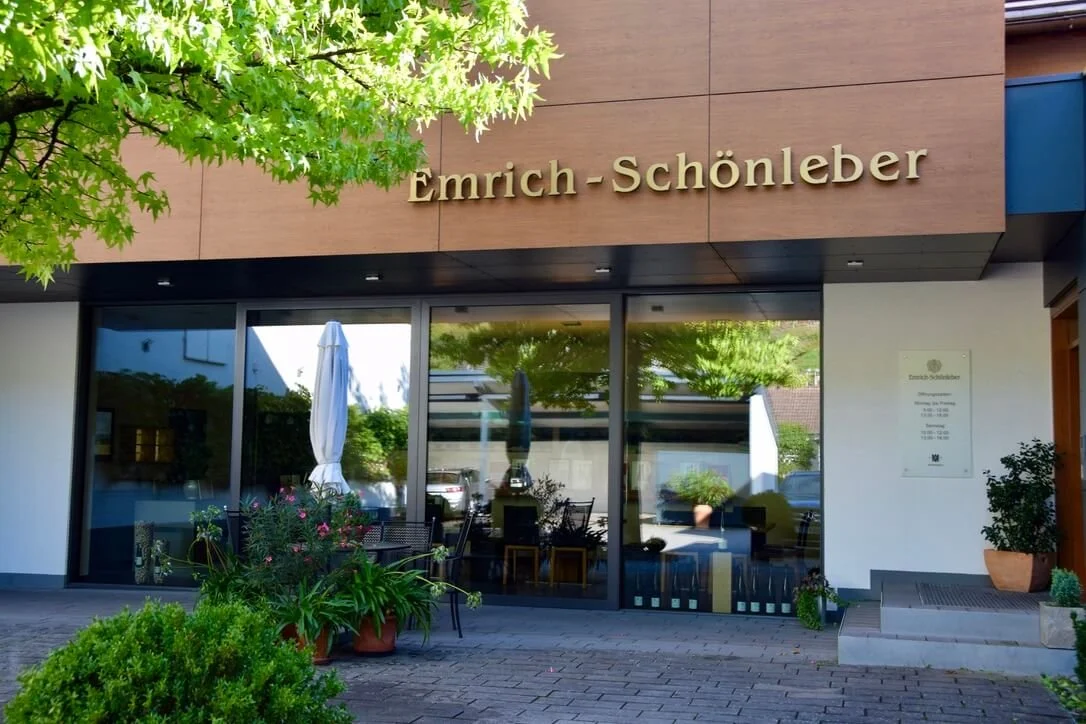
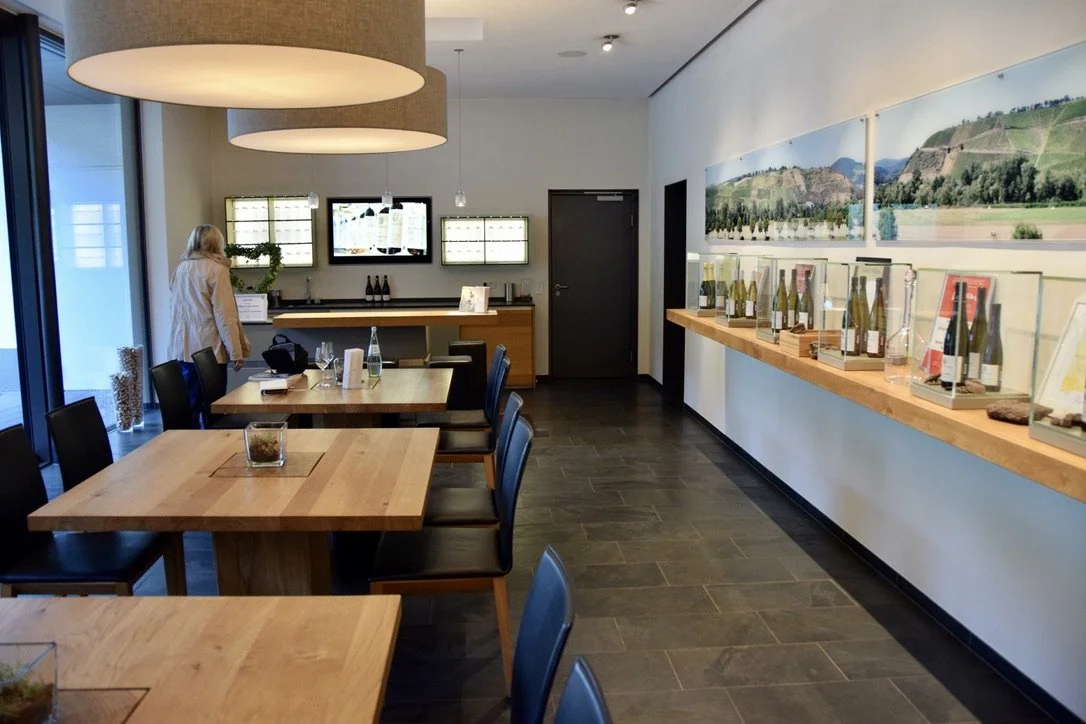
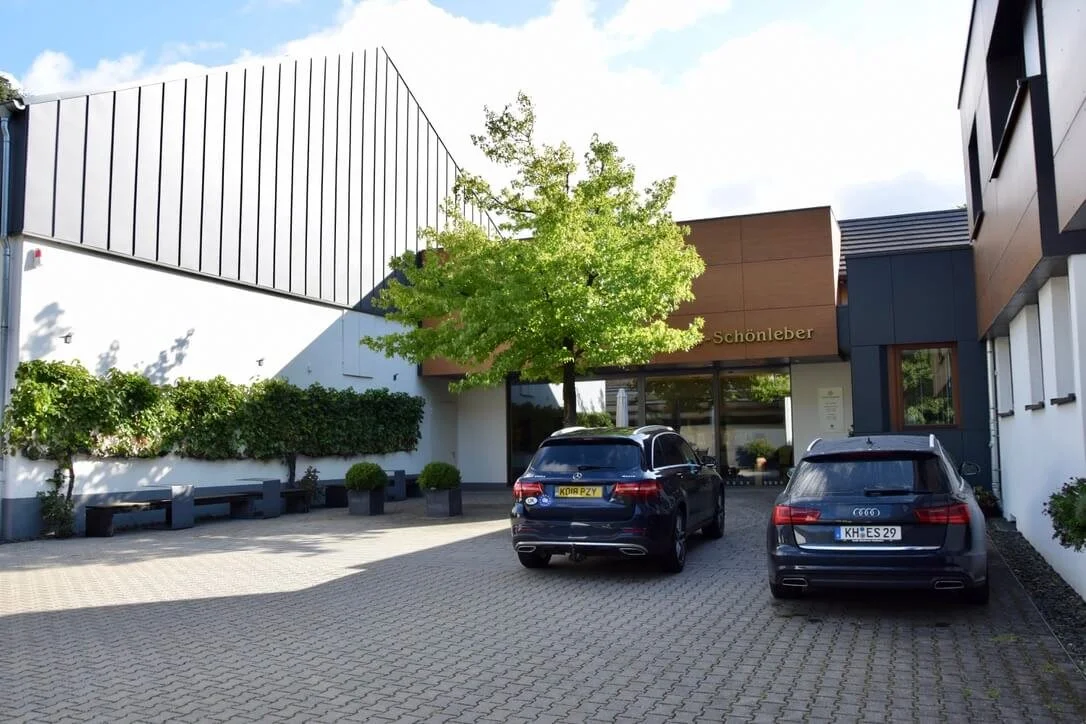
When we visited Weingut Emrich-Schönleber it was right in the middle of harvest time, however we managed to grab 30 minutes with Frank Schönleber, for which we were very grateful! After learning more about the family history and the famous Emrich-Schönleber Monzinger Grand Cru vineyards, we got to taste a few of the world-famous Emrich Schönleber Rieslings.
We started with an estate (‘Gutswein’) Riesling wine, the ‘Mineral’ Riesling trocken 2024.
This is one of the estate’s most popular wines and indeed one of the country’s best value-for-money German Riesling wines. It is considered a superb expression of Nahe dry Riesling, with amazing slate minerality, great acidity and lots of fresh and lively citrus flavours, with hints of tropical fruits, melon and pineapple.
After this great introduction we then moved on to the first VDP. Grosse Lage wine - or Grand Cru wine - the Emrich Schönleber 2023 Frühlingsplätzchen Riesling trocken GG (Grosses Gewächs).
This is a wonderfully elegant and balanced wine with notes of fragrant fruits, apricots and peaches, hints of lemon zest and white blossom. Wow what a superb wine and what a treat to get to sample it with Frank Schönleber!
The second Grand Cru wine, the Emrich Schönleber Halenberg Riesling GG 2023 was equally superb..
This is a wine with a wonderful minerality and an incredible depth and length. With herbal notes, a wonderful saltiness and ripe grapefruit and zesty citrus flavours, it’s clear why this wine is considered one of the finest German Rieslings.
Discovering more of the Nahe Valley
The beautiful Nahe Valley scenery - Source: Winekeller
Enjoying the Nahe Valley!
Exploring Monzingen Germany
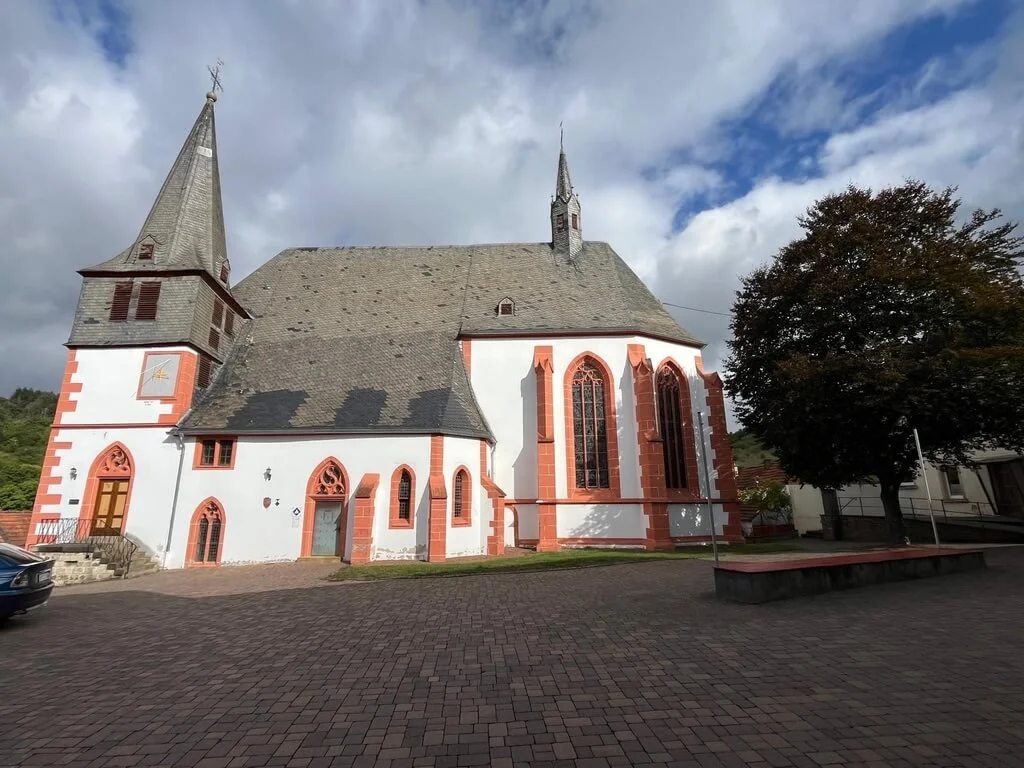
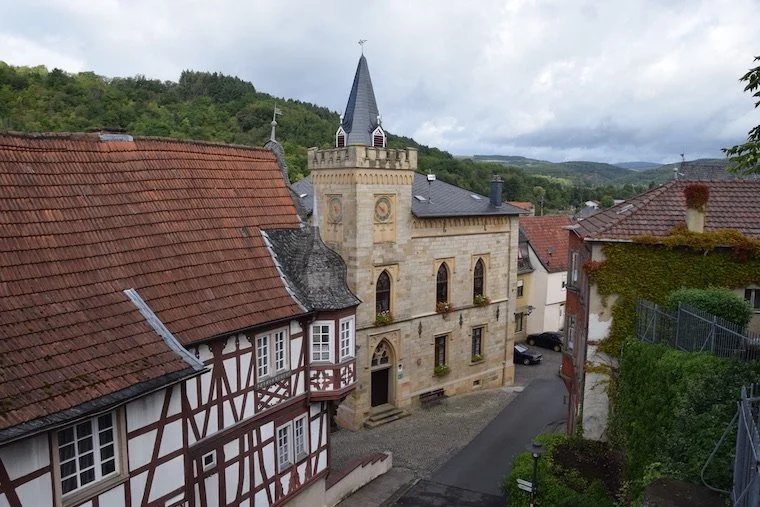
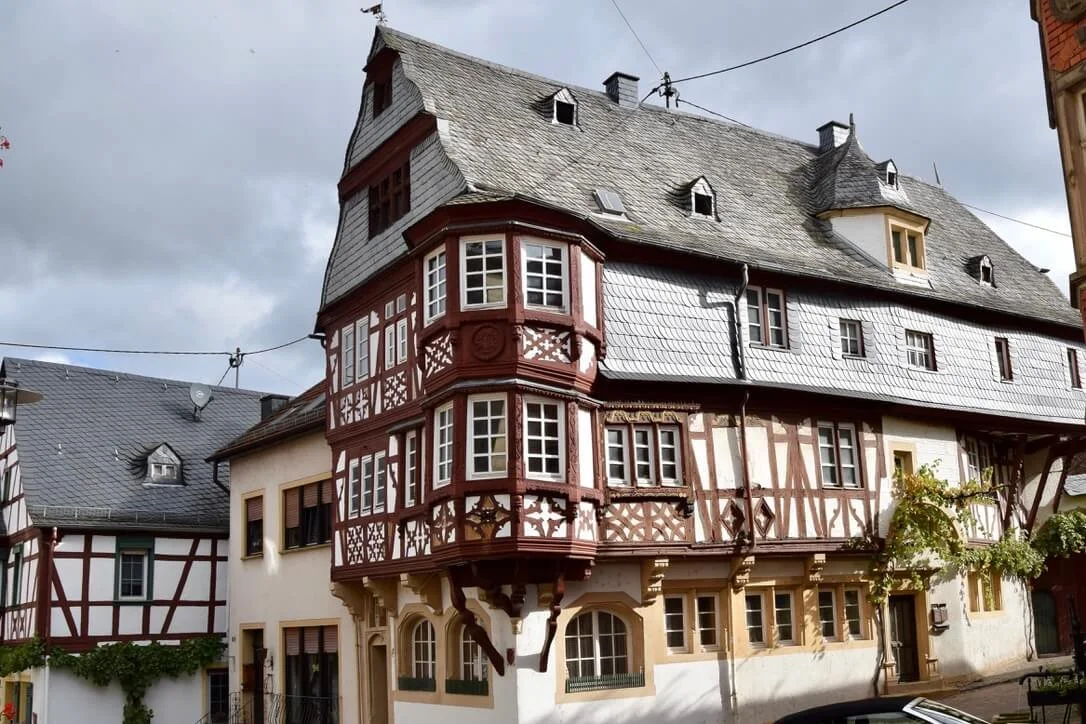
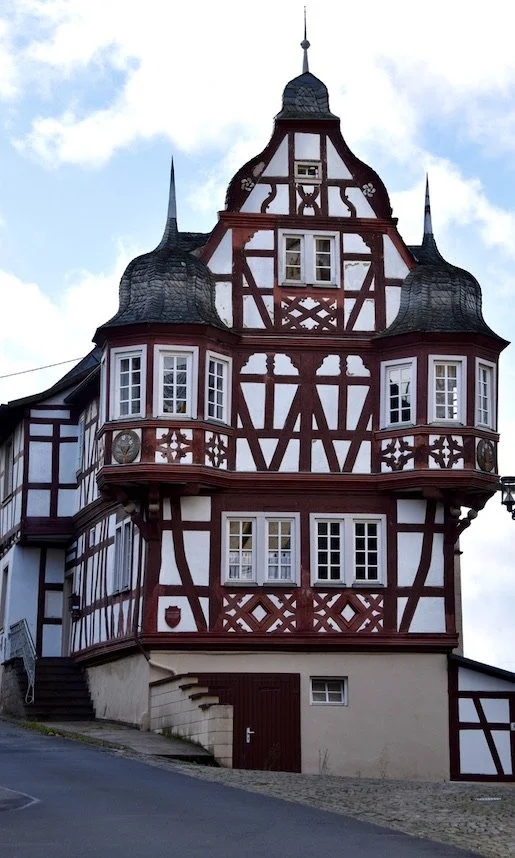
Following our visit to Weingut Emrich-Schönleber we decided to explore the delightful village of Monzingen, the westernmost wine village of the Nahe, with 1200 years of history and tradition.
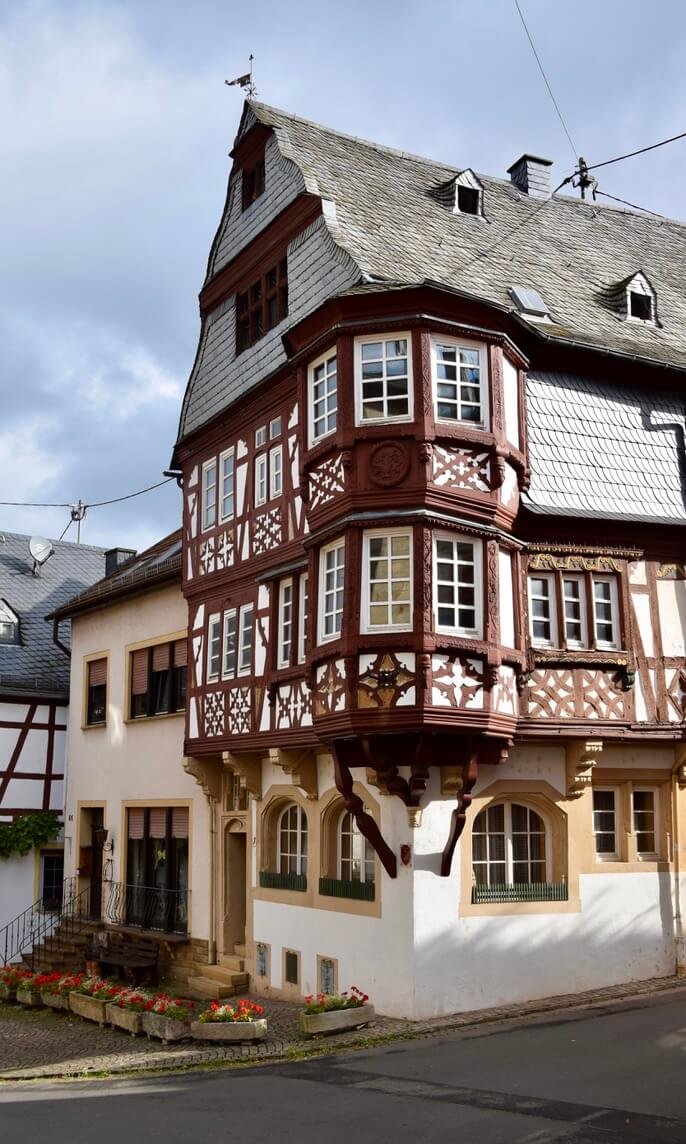
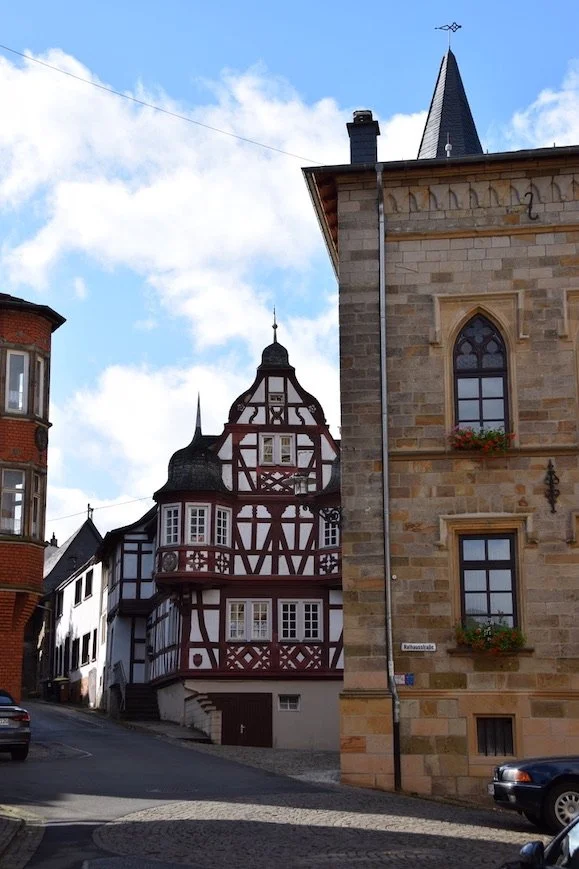
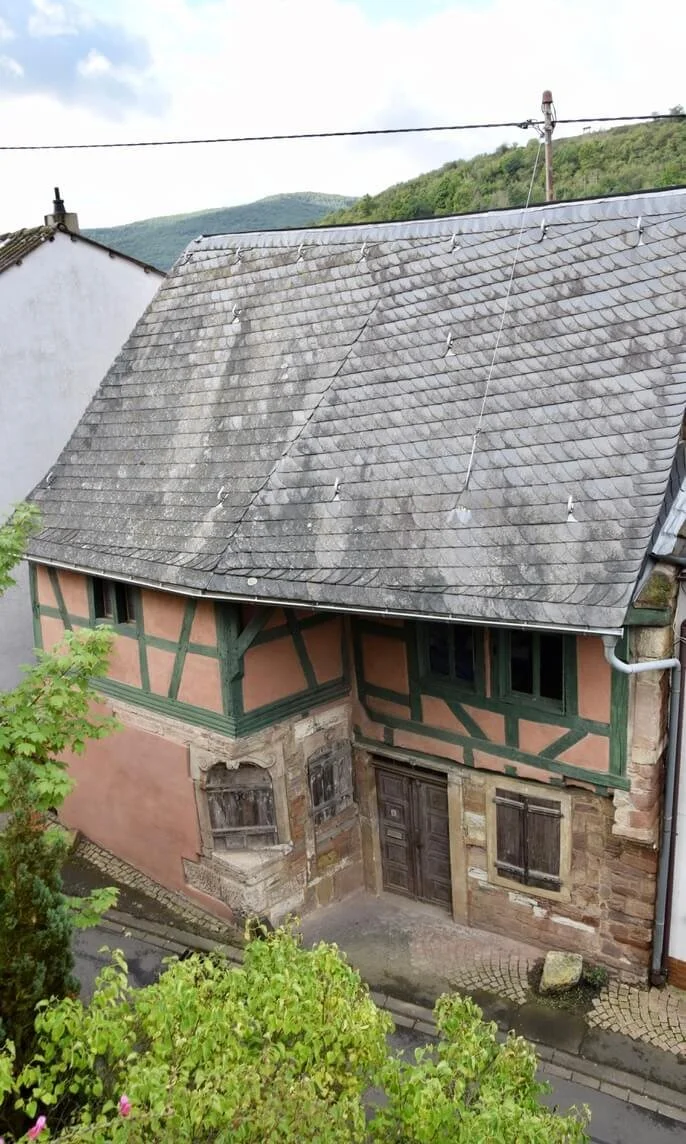
At the centre of this historical village is the 200 metre-high ‘Kirchberg’ (“Church Hill”) on which stands the 13th-century Martinskirche (Saint Martin's Church). We wandered around the narrow streets, bordered with beautiful, historic houses and buildings, making our way up to this beautiful church at the top of the village, where we were rewarded with lovely views.
If you want to experience authentic and unspoiled German culture and tradition in the Nahe Valley, Monzingen is definitely a place to visit. It’s a relatively small, quiet village but packed with charm and history!
In search of the best Nahe viewpoint
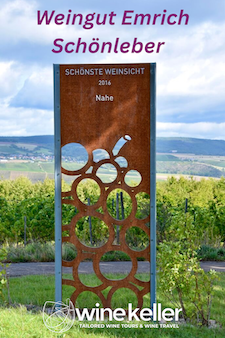
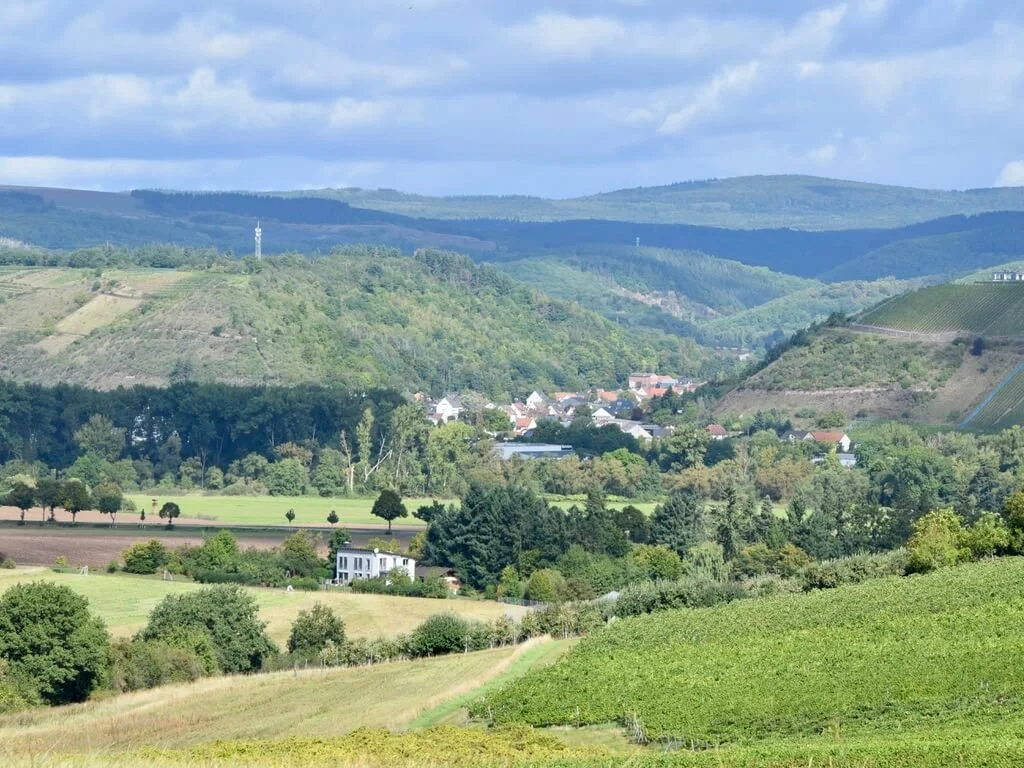
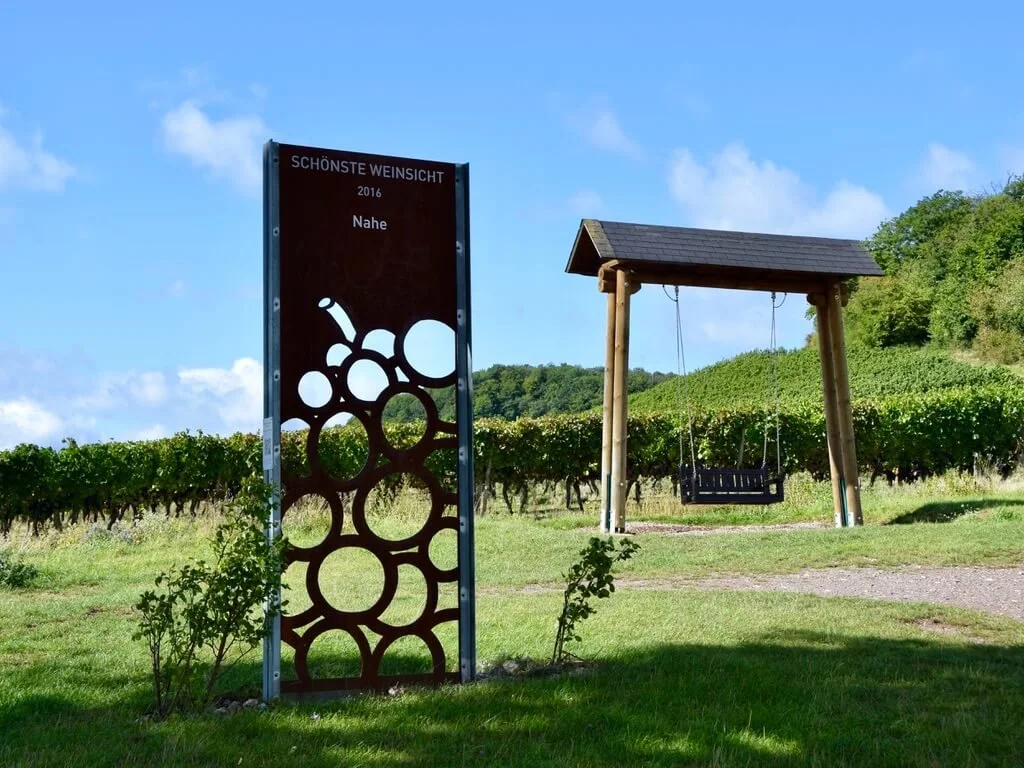
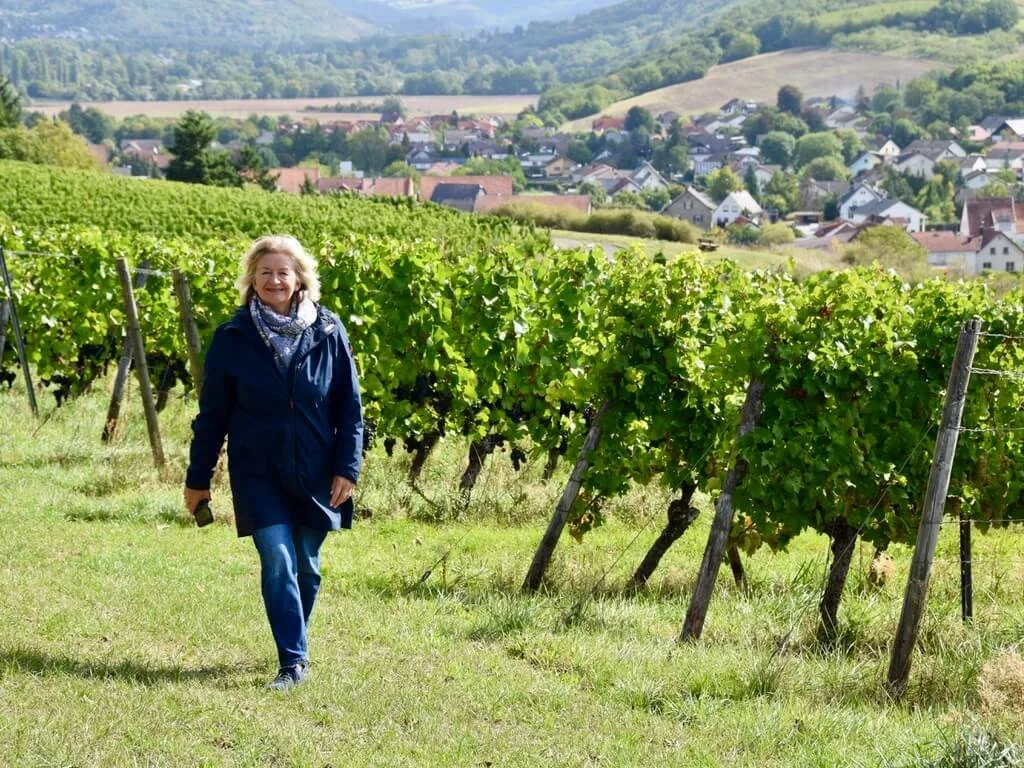
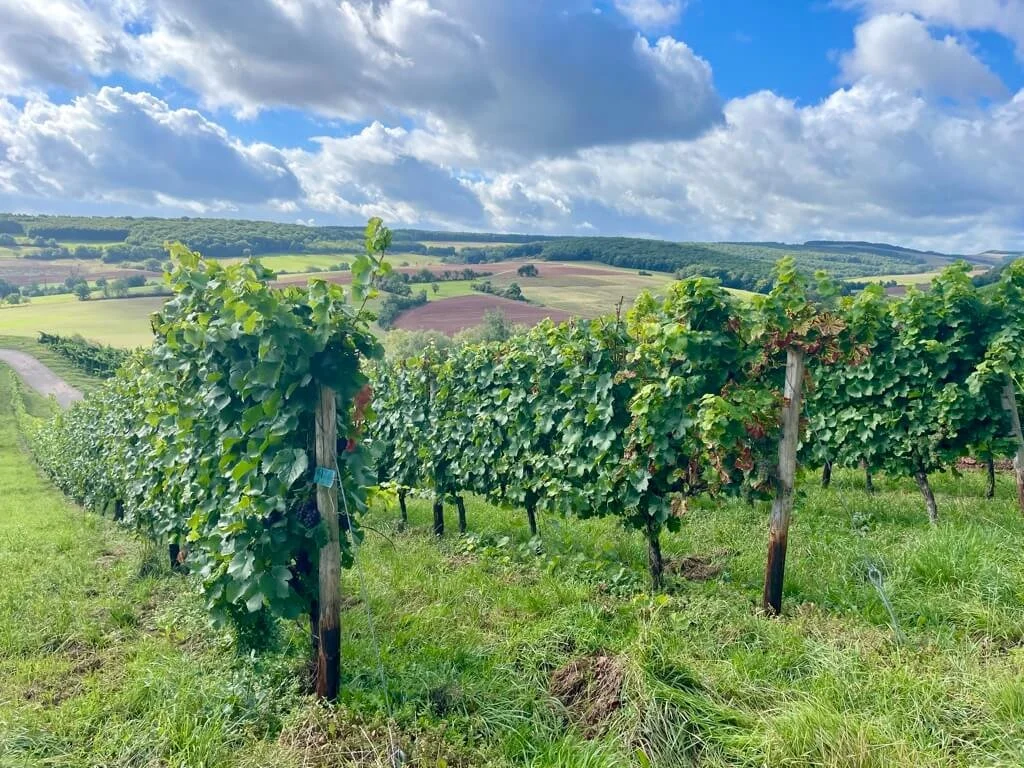
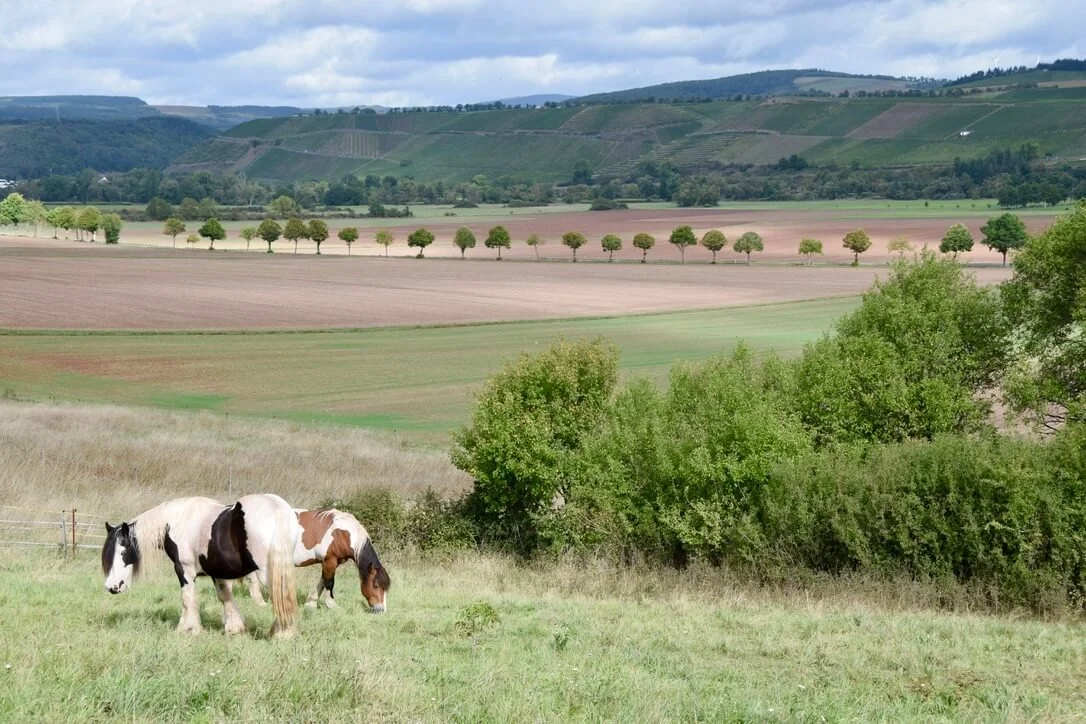
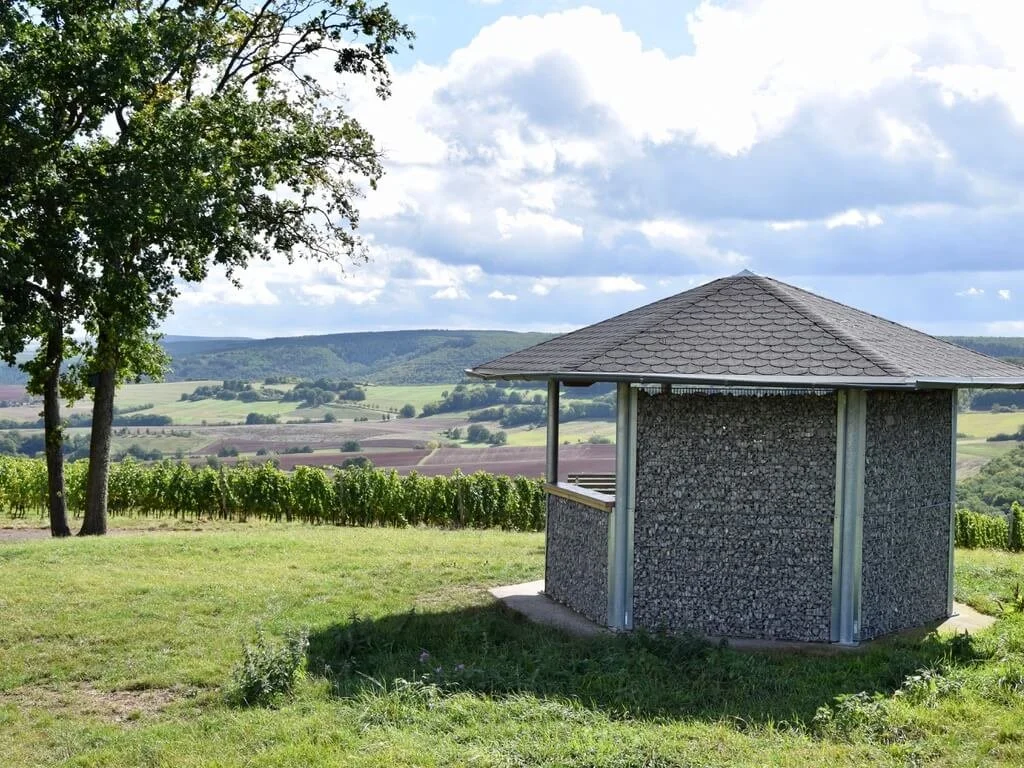
Close to Monzingen lies the wine village of Meddersheim, from where you can walk a marked trail up to the ‘Schönste Weinsicht 2016’ - a celebrated lookout point over the Monzingen vineyards.The viewpoint is located in Meddersheim "Auf der Platt," which belongs to the Meddersheimer Altenberg vineyard, located directly on the two hiking trails Wingertsweg and Menschels Route.Since 2012, the German Wine Institute, together with the regional wine marketing boards, has selected the "Most Beautiful Wine View - Schönste Weinsicht" each year. It took us about an hour to stroll through the vineyards up to the view point and our efforts were rewarded with the most amazing views of the Nahe Valley and the famous Nahe vineyards.
Conclusion
Weingut Emrich-Schönleber is certainly an icon of the Nahe wine region and German Rieslings, known for its spectacular Grand Cru wines - and a great reason to visit this beautiful, special German wine region.