
VISIT THE LISBOA WINE REGION

The rolling hills of the Lisboa wine region close to Torres Vedras
Photo source: Winekeller
Our wine experiences in the Lisboa wine region:
The Lisboa wine region - an introduction
Portugal’s Lisboa wine region stretches 150km along the Atlantic coast from the mouth of the Tagus River close to Portugal' s capital city, Lisbon, northwards up to the town of Leira.
Set against the breathtaking backdrop of the spectacular Atlantic coastline, this ‘hidden gem’ wine region of Portugal is a land of verdant, rolling hills, bordered in the east, some 40km inland by the Montejunto and d’Aire and Candeeiros mountain ranges.
The Lisoba wine region is defined by history, tradition and the sea and it is fast emerging as one of Europe’s most underrated wine regions, with much to offer the wine tourist. Not only are there nine distinct geographical sub-regions to explore and a large variety of wines and wine styles to discover, there are many different types of wineries to visit, small, boutique wineries and huge, impressive estates, all offering traditional Portuguese hospitality. Then of course, there is the proximity to Portugal’s incredible capital city Lisbon, the lure of the Atlantic waves, unparalleled seafood and some of the world’s finest resorts and golf courses.
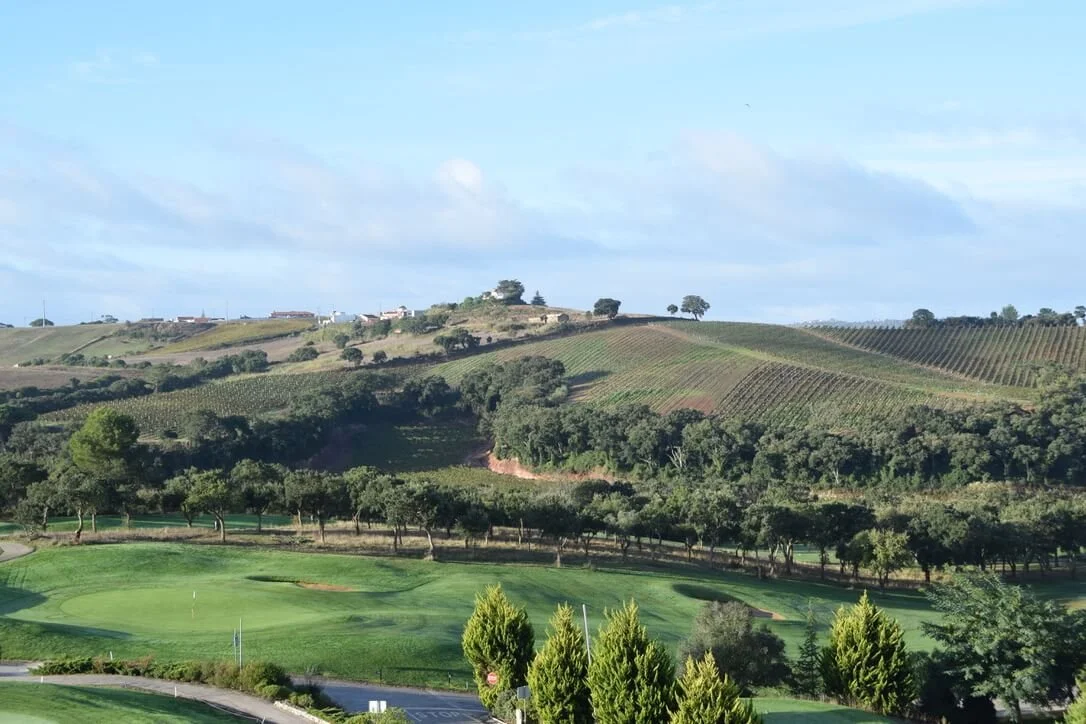
Lisboa vineyards north of Lisbon
Source: Winekeller
The Lisboa vineyards
There are some 10,000 hectares of vines in the Lisboa wine region, once called ‘Estremadora’, spread across nine distinct sub-regions.
These appellations are grouped into 3 geographical clusters:
To the south, very close to Lisbon - D.O. Bucelas, D.O. Colares and D.O. Carcavelos;
In the centre of the region - D.O. Alenquer, D.O. Arruda, D.O. Lourinhã, D.O. Óbidos and D.O. Torres Vedras;
In the north - D.O. Encostas d'Aire.
The topography of the region is defined by the mountain ranges which run through it, making it very hilly and the climate is influenced by the Atlantic breezes and the shadows of the mountains.
The terroirs are varied across the Lisboa region and the soils are mostly clay-limestone, with more sandy soils closer to the coast.
Lisboa wine region map:
What is Lisboa wine?
Lisboa is a highly varied and productive wine region, producing the most wine out of all of the wine regions of Portugal, rich in tradition as well as innovation in winemaking.
The temperate climate, where cool Atlantic breezes shape the character of the wines and the influence of the inland mountains, create ideal conditions for producing both fresh Lisboa white wines and a wide range of Lisboa red wines.
Lisboa white wines:
The most significant two white wine grape varieties grown in the Lisboa wine region are Arinto (considered the ‘Queen of Lisboa’s white grapes) and Fernão Pires. Others include Vital, Malvasia and Seara-Nova, with international varieties, Chardonnay, Sauvignon Blanc and Viognier.
Lisboa white wines range from lower-alcohol, fresh white wines, with a lovely salinity, made from grapes grown closer to the coast, to more mineral-rich whites, notably in the D.O. Bucelas, where the Arinto grape thrives.
Lisboa red wines:
Key red wine grape varieties include Castelão, Aragones, Caladoc and international variety, Syrah. Other grapes planted include Alicante Bouschet, Tinta Miúda, Touriga Franca, Ramisco, Touriga Nacional and Trincadeira and Cabernet Sauvignon.
Lisboa red wines range from lighter, softer ‘Pinot Noir’ style red wines made from the widely planted Castelão grape, to robust reds, made from the high-quality Syrah and Touriga Nacional grapes, which thrive in the more sheltered locations, especially in Alenquer.
To learn more about Lisboa wines, visit Wine of Portugal.

Portugal’s capital Lisbon at the heart of the Lisboa wine region
Source: Winekeller
Visiting the Lisboa wine region
The Lisboa wine region is a wine lover’s paradise but it also offers the perfect opportunity to discover and experience the best of Portuguese culture, history, unspoiled destinations and gastronomy.
What is so special about Lisbon, Portugal?
Lisbon is one of the oldest cities in the world, the second-oldest European capital city after Athens and mainland Europe’s westernmost capital city. It is consistently rated one of the top cities in the world to visit and justifiably so - a vibrant, charismatic city that blends tradition and history with modernism and innovation - appealing to all age groups.
Lisbon makes for a superb ‘city destination’ but a short journey north or south of the city takes you to the most beautiful beaches and resorts, a clutch of historic and cultural landmarks, beautiful natural parks and multiple Portuguese wine regions.
What wine region is near Lisbon?
There are many vineyards near Lisbon, whether north of the city in the Lisboa wine region, or south, just over the mouth of the Tagus river in the Setúbal wine region. Further inland, the Tejo wine region is within easy reach of Lisbon and also the Alentejo wine region. This close proximity to so many different wine regions is a key element of Lisbon’s appeal as a wine tourism destination.

Monument to the Discoveries in Lisbon

The National Palace of Mafra
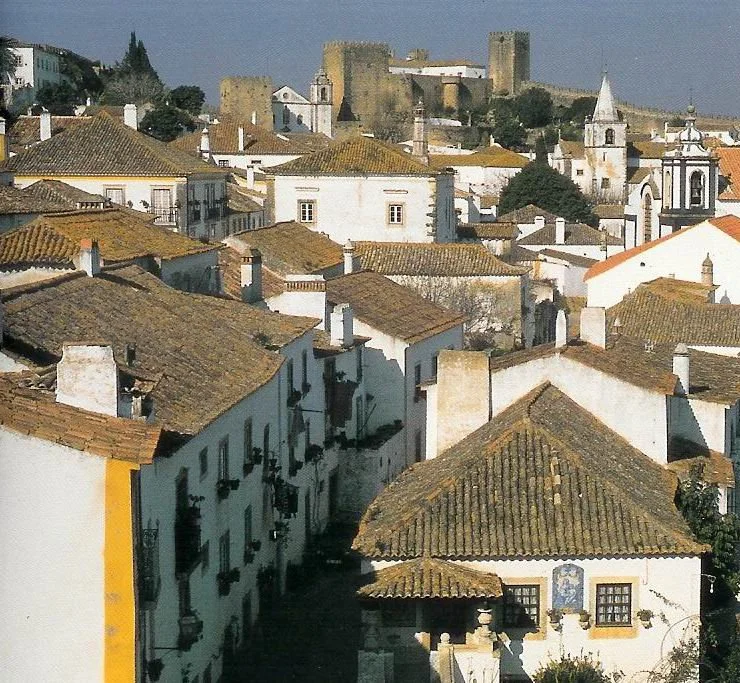
The medieval town of Óbidos
Explore Portugal’s stunning Atlantic coast
As the Atlantic ocean brings out the best in the grapes grown in the Lisboa region, it also produces the best surfing conditions. The Atlantic coast between Lisbon and Leira has the highest concentration of world-class waves in all of Europe.
Surfers from around the world seek out the perfect waves in Peniche, and the giant waves in Nazaré in Central Portugal, but you can also find great waves close to Lisbon, where the mouth of the Tagus river meets the ocean and further north on the Cascais and Estoril Coast.
If you’re a surfer or you just enjoy the Atlantic waves, golden beaches and rugged coastlines, this is a great coastal wine destination!
Historical monuments and cultural attractions
The history and heritage of Lisbon can be experienced through the many castles, monasteries, palaces and national parks across the Lisboa wine region, five of which are recognised UNESCO World Heritage Sites. Close to Lisbon you can visit the beautiful Pena National Palace in Sintra, or the National Palace of Mafra, then further north the medieval walled town of Óbidos and its castle and the Alcobaça Monastery.
If geology is your thing, visit the stunning ‘Geopark Oeste’ close to Peniche on the coast, an area of outstanding geological significance.
There are also many museums and cultural centres to explore, then of course no visit to this region, especially to Lisbon, is complete without experiencing Portuguese Fado, the traditional, soulful singing and guitar playing, a ‘World Heritage’ emblem of Portugal.
Golf and wellness
The mild climate and beauty of its coastal landscapes makes Lisboa a very much appreciated golf region by golfers from around the world, with a great selection of world-class golf courses stretching out along the coast. Wellness is also popular here with a growing number of wellness retreats and spas - again making this part of Portugal a very attractive all-round destination, not just for wine lovers.

Pena National Palace in Sintra
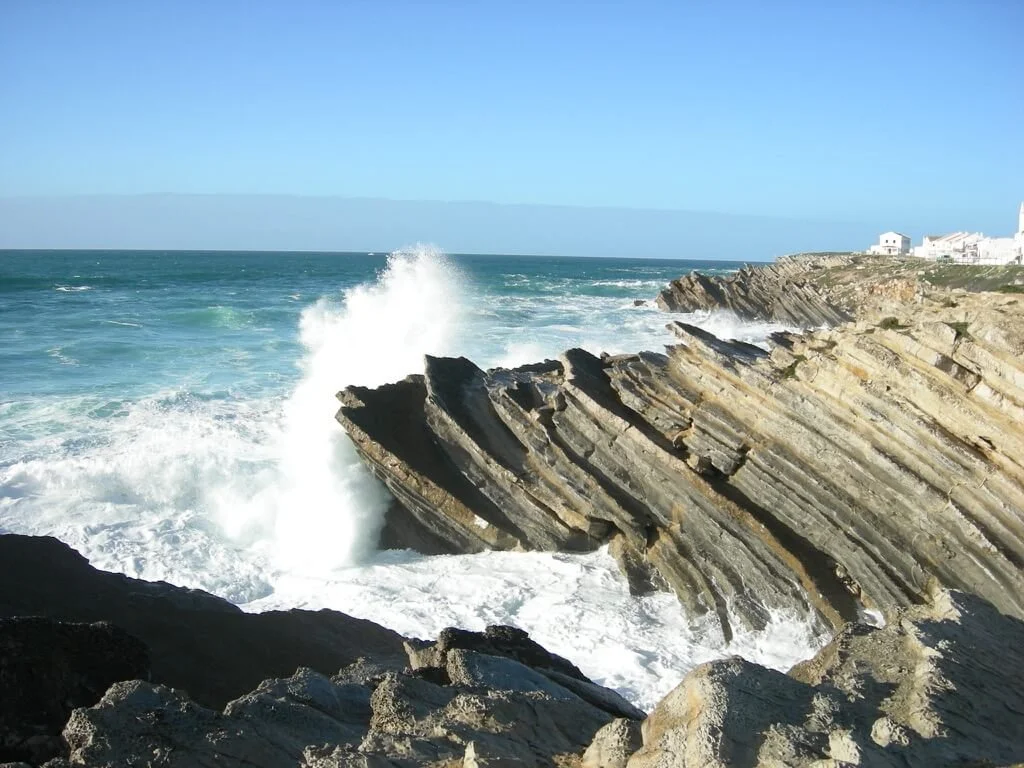
The Western Geopark

Wonderful golf courses all along the coast
There are ‘12 Historic Villages of Portugal’ and all but one are in Beira Interior - here we discover the beautiful Portuguese villages of Castelo Rodrigo and Marialva…